
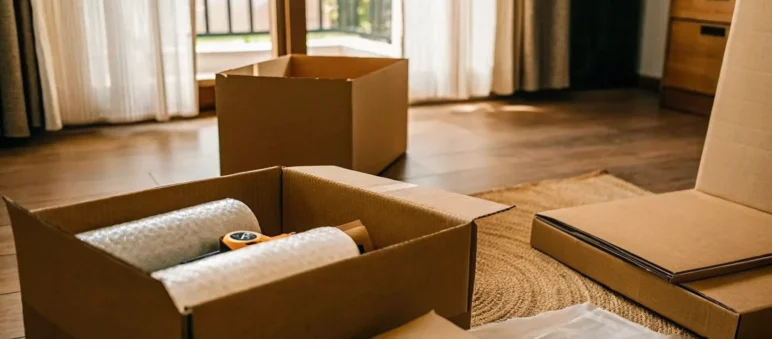
Packing for a move is the perfect opportunity for a fresh start. Before you bring anything into your new space, you have a unique chance to decide what’s truly important, what you can let go of, and how you want to live. Think of it less as a chore and more as the first step in curating the home you’ve always wanted. By being intentional with your process, you can save time, reduce stress, and ensure that unpacking is a joy instead of a headache. This guide is designed to give you that structure, offering practical tips on how to pack for a move with purpose, from decluttering your closets to labeling every box like a pro.
Key Takeaways
- Plan ahead to prevent panic: A calm move starts weeks before the truck arrives. Dedicate time to decluttering your home room by room, deciding what to keep, donate, or sell so you only move what you love.
- Pack strategically to protect your things: Use the right supplies and methods to keep your items safe. Pack heavy things in small boxes, place plates on their edges to prevent cracks, and use soft items like towels and clothes as free padding.
- Organize for an easy unpacking day: Set your future self up for success with a clear system. Label every box on the side with its destination room and contents, and prepare an “Open First” box with everything you’ll need for your first night.
Your Week-by-Week Packing Plan
Breaking down the packing process into weekly goals makes the entire experience feel more manageable. This timeline is designed to help you move forward steadily without the last-minute panic. Here’s how to get it all done, one week at a time.
8 Weeks Out: Declutter and Gather Supplies
I know what you’re thinking: eight weeks feels like a lifetime away. But trust me, this is the perfect time to start, and it’s the secret to a move that feels organized instead of chaotic. Your first mission is to lighten the load. Before you pack a single box, you need to declutter. Go through your home and sort your belongings into four simple categories: keep, donate, sell, and toss. There’s no sense in wasting time, money, and space moving things you don’t really want. Once you’ve streamlined your possessions, you can gather your packing supplies. You’ll want a good stock of sturdy boxes, packing tape, padding, and markers.
6 Weeks Out: Pack Non-Essential Items
With about a month and a half until moving day, it’s time to start packing. The key is to build momentum by tackling the things you won’t miss. Start with items you don’t use daily, like books, out-of-season clothing, and decorative objects. Think about packing up the guest room, formal china, and any artwork or photos on the walls. This is a great way to get a head start and practice your packing skills on items that might be fragile or oddly shaped, giving you plenty of time to pack them carefully. Clearing out these non-essentials will also make your home feel more spacious and easier to work in as you get closer to your move.
4 Weeks Out: Go Room by Room
You’ve officially hit the one-month mark. Now is the time to adopt a more systematic approach to avoid feeling overwhelmed. The best way to do this is to focus on one room at a time. Make a checklist for each room and begin packing everything except for the items you’ll need in the final weeks. For example, in the kitchen, you can pack away specialty gadgets, extra dishes, and cookbooks, leaving just enough to get by. This room-by-room method helps you track your progress and ensures that you don’t forget an entire closet or cabinet. Label each box with its contents and the room it belongs to.
2 Weeks Out: Handle Fragile and Awkward Items
With just two weeks to go, it’s time to focus on your fragile and valuable items. This includes glassware, dishes, electronics, and mirrors. Use strong, high-quality boxes that can be sealed securely. A good rule of thumb is to place heavier items at the bottom of the box and lighter, more delicate items on top. Don’t be shy with the padding; use plenty of packing paper, bubble wrap, or even towels and blankets to cushion everything. For plates, packing them vertically like records can help prevent breakage. Taking extra care during this stage will give you peace of mind on moving day and make unpacking a much happier experience.
Moving Week: Finish the Final Details
You’re in the home stretch! This week is all about packing the remaining essentials and tying up loose ends. As you pack up your bedding, toiletries, and kitchen necessities, be sure to set aside an “open first” box. This box is your moving day survival kit. It should contain everything you’ll need immediately upon arriving at your new home: toilet paper, soap, a change of clothes, phone chargers, medications, basic tools, and some snacks. Having these items easily accessible will make your first night much more comfortable. Keep this essentials box with you in your car, not on the moving truck, so you know exactly where it is.
What Packing Supplies Do You Really Need?
Walking into a store and seeing an entire aisle dedicated to moving supplies can feel a little overwhelming. Do you really need all of it? While you don’t need to buy one of everything, gathering the right materials is the foundation of a successful move. Think of it as an investment in protecting your belongings and your sanity. Using the right supplies not only prevents your favorite vase from breaking but also makes stacking boxes in the truck safer and unpacking in your new home much more efficient.
Before you start, it helps to think about your supplies in a few key categories. First, you’ll need containers like boxes and bins to hold everything. Second, you’ll need padding and wraps to cushion your items. Third, you’ll need the right tools to assemble and label your boxes. Finally, it’s helpful to know where you can find all these things without spending a fortune. Getting these items organized before you pack your first box will set you up for a smooth and streamlined process from start to finish.
Boxes, Bins, and Totes
The container you choose can make a big difference. While it’s tempting to grab free cardboard boxes from anywhere you can, make sure they are clean, dry, and sturdy enough for the job. For the best results, consider purchasing new, uniform-sized moving boxes. They are much easier and safer to stack in a moving truck.
For heavier or more delicate items, reusable plastic bins are a fantastic option. They are incredibly durable, protect against moisture, and can be used for long-term storage in your new home’s garage or attic. The main trade-off is the upfront cost and the need for storage space after the move. Many people find that the best approach is to use a combination of high-quality cardboard boxes for lighter items and a set of sturdy bins for valuables and heavy things like books.
Wraps, Padding, and Protection
Here’s where you can get creative and save some money. Before you buy rolls of bubble wrap, look around your home. You can use soft items you already have to protect your belongings. Things like towels, sheets, blankets, and even clothing are perfect for wrapping sturdy, less-fragile items or for filling empty spaces in boxes to prevent shifting. Packing your drinking glasses in your thick winter socks is a classic two-for-one move.
For your most delicate items, however, you’ll want dedicated materials. A great technique is to first wrap the item in bubble wrap for cushioning, then wrap it in packing paper to prevent scratches. A word of caution: avoid using newspaper to wrap glass or porcelain, as the ink can easily transfer and leave stubborn stains. A little extra care here goes a long way in making sure your cherished pieces arrive safely.
Essential Tools and Labels
Having a small toolkit dedicated to packing will save you so much time and frustration. Grab a tote bag or a small, open box and create a packing station you can carry from room to room. Fill it with a good quality tape gun (this is a non-negotiable game-changer), several rolls of strong packing tape, a few permanent markers, and a pair of scissors or a box cutter. Keeping these essentials together means you won’t have to stop your flow to hunt for the tape every ten minutes.
When it comes to labeling, be strategic. Always write on the sides of the boxes, not the top. This way, you can still read the labels when they’re stacked. Be specific with your labels, too. Instead of just “Kitchen,” write “Kitchen: Pots and Pans” or “Kitchen: Everyday Dishes.” This will help you or your movers know exactly where each box goes and helps you find what you need immediately upon arrival.
Where to Find Affordable Packing Supplies
You don’t have to spend a fortune to get the supplies you need. For free cardboard boxes, start by asking local businesses. Grocery stores, liquor stores, and office supply retailers often have plenty of clean, sturdy boxes they are happy to give away. You can also check online community forums like a local Buy Nothing group or Facebook Marketplace, where people who have just moved are often looking to offload their supplies.
If you decide to purchase materials, your moving company is a great resource for high-quality, uniform boxes and specialty packing kits. Before you buy, it’s a good idea to do a quick audit of your home. Take stock of what you have and what you truly need to pack it all safely. This simple step helps you avoid buying too much and reduces waste, making your move a little more eco-friendly.
How to Declutter Before You Move
One of the biggest hurdles in any move is the sheer volume of stuff we accumulate over the years. Before you even think about packing a single box, taking the time to declutter will make your move lighter, cheaper, and far less stressful. Think of it as a fresh start. By deciding what’s truly important, you ensure you’re only bringing items you love and use into your new home. This process saves you from paying to move things you don’t need and makes unpacking a much more pleasant experience. A little organization now pays off big time on moving day.
Try the Four-Box Method: Keep, Donate, Sell, Toss
The best way to tackle clutter is with a clear system. The four-box method is a simple and effective way to get started. As you go through your belongings, sort every single item into one of four categories: keep, donate, sell, or toss. This forces you to make clear decisions about everything you own, preventing that “I’ll deal with it later” pile from growing. Set up labeled boxes or designated corners in the room for each category. This visual separation helps you see your progress and keeps the process organized. You’ll be surprised how quickly you can sort through a closet or cabinet when you have a plan.
Use the 12-Month Rule for Tough Calls
For items that leave you feeling stuck, the 12-month rule can be a lifesaver. The guideline is simple: if you haven’t used an item in the past year, it’s probably time to let it go. This is especially helpful for clothes, kitchen gadgets, and hobby supplies that are gathering dust. Of course, there are exceptions for sentimental items or seasonal gear, but this rule helps you honestly assess what items truly add value to your life. It’s not about getting rid of everything; it’s about making intentional choices so you can focus on the belongings that serve a real purpose in your home.
A Room-by-Room Decluttering Strategy
Looking at your entire home can feel overwhelming, so break it down into manageable chunks. An organized approach where you tackle the house one room at a time is the key to staying motivated. Start with the spaces you use the least, like a guest room, basement, or attic. Clearing these areas first provides a sense of accomplishment and builds momentum. Create a simple checklist for each room to keep yourself on track. As you finish a room, you can schedule donation pickups or list items for sale, clearing the clutter out of your house for good before the packing even begins.
A Room-by-Room Guide to Packing
Tackling your house one room at a time makes the entire packing process feel much more manageable. Instead of looking at a mountain of work, you can focus on small, achievable goals. This approach helps you stay organized and ensures that similar items end up together, which makes unpacking a breeze. Here’s a simple breakdown of how to handle each space, starting with what is often the most challenging room.
The Kitchen
The kitchen can feel overwhelming with its mix of fragile dishes, bulky appliances, and countless small items. Start by packing the things you use least, like specialty gadgets or fine china. When it comes to your plates, pack them vertically on their edges, like records in a crate, as they are less likely to break this way. Wrap each dish individually in packing paper.
Use dish-pack boxes for glassware and fill any empty spaces with tea towels or paper to prevent shifting. Make sure your boxes are strong and securely taped at the bottom. A smart guide to packing will always recommend you label these boxes as “Fragile” and “This Side Up” to ensure they’re handled with care.
Bedrooms and Closets
Bedrooms are a great place to make quick progress. For clothes on hangers, a simple trick is to group about 10-15 hangers together and pull a large contractor trash bag up from the bottom, tying the hangers together at the top. This turns packing and unpacking your closet into a five-minute job.
Use your clothes, towels, and linens as free packing material. You can use them to wrap fragile items or fill empty spaces in boxes, which adds cushion without adding much weight. Some of the best packing and moving tips come from using what you already have. For everything else, like folded clothes and shoes, use medium-sized boxes to keep them from getting too heavy.
The Living Room
Your living room often contains your most valuable and awkwardly shaped items, like electronics and artwork. Before you unplug your TV and sound system, snap a quick photo of the back so you remember where all the cables go. Use special picture or TV boxes for these items, and protect screens with bubble wrap or soft blankets.
Lamps should be disassembled; pack the base and shade separately, using a smaller box for the shade so it doesn’t get crushed. For books, use small, sturdy boxes, as they get heavy fast. Always tape the bottom of your boxes well to make sure they can handle the weight of your belongings.
Bathrooms
Bathrooms are usually quick to pack, but the key is to prevent leaks. Go through your medicine cabinet and drawers, and get rid of any expired products. For all your toiletries, open the lids, place a small piece of plastic wrap over the opening, and then screw the lid back on. Place all liquids in sealed, leak-proof bags like Ziplocs before putting them in a box.
Remember to set aside the essentials you’ll need on moving day and your first night in the new home. Keep your toothbrush, soap, medications, and a roll of toilet paper in your overnight bag so they’re easy to find.
The Home Office
An organized approach is critical for packing your home office. Start by sorting and purging old papers and files. For important documents like passports, financial records, and moving paperwork, keep them in a designated folder that you transport yourself, not in the moving truck.
When it comes to electronics, remove all the cables and tape them to the device they belong to. Taking a picture of your computer setup beforehand can save you a lot of frustration later. To make finding things easier, keep a detailed list of what’s inside each box on your phone so you can quickly search for an item when you need it.
How to Safely Pack Fragile and Valuable Items
Nothing is more disheartening than unboxing a shattered heirloom or a cracked TV screen. Taking a little extra time to carefully pack your fragile and valuable items is one of the best things you can do to ensure a smooth move. These simple techniques will help you protect your most precious belongings, from the kitchen to the living room, giving you peace of mind on moving day.
Protect Glassware and Dishes
Your kitchen is full of breakables, but with the right strategy, you can get everything there in one piece. Wrap each glass, mug, and bowl individually in packing paper. For plates and saucers, the trick is to place them in the box vertically, on their edges, like records in a crate. Stacking them flat puts too much pressure on the items at the bottom. For extra security, use cell kits or dividers inside your boxes to create individual compartments for glassware. Fill any empty spaces with crumpled paper to prevent items from shifting around during transport.
Secure Electronics and Cords
Before you unplug that web of cords behind your TV, snap a quick picture with your phone. This will be a lifesaver when you’re setting everything up in your new home. Once you unplug the cables, coil them neatly and tape them to the back of their corresponding electronic device. This keeps everything together and prevents a tangled mess later. For delicate screens on TVs and computer monitors, it’s a good idea to wrap them in a soft, thick blanket or use specialized TV moving boxes that provide a snug, protective fit. Never lay a flat-screen TV down during a move; always keep it upright.
Wrap Artwork and Mirrors
Artwork and mirrors require special attention to prevent cracks and scratches. For smaller framed photos, wrapping them individually in packing paper and stacking them vertically in a box is usually sufficient. For larger, more valuable pieces of art or big mirrors, don’t skimp on the padding. Wrap them generously in bubble wrap or moving blankets, paying close attention to the corners. We highly recommend investing in a picture or mirror box, which is designed to offer more rigid protection. Clearly label the box “FRAGILE: GLASS” on all sides so your movers know to handle it with extra care.
Safeguard Jewelry and Small Valuables
When it comes to your jewelry, organization is key to preventing a tangled mess or a lost earring. For valuable pieces, it’s best to use their original boxes if you still have them. For other items, a travel jewelry case with different compartments works wonders. You can also use small Ziploc bags for individual necklaces or pairs of earrings to keep them separate. The most important rule for jewelry, important documents, and other small valuables is to pack them in a bag or box that you will personally transport to your new home. Never put these irreplaceable items in the moving truck.
Pack Smarter: Techniques to Save Time and Space
Packing efficiently isn’t just about getting things into boxes; it’s about a strategy that protects your belongings and makes unpacking a breeze. With a few smart techniques, you can fit more into each box, reduce the risk of damage, and save yourself a lot of heavy lifting. Think of it as a puzzle where every piece has a perfect spot. These methods are used by professional movers because they work, and they will make your move feel much more manageable. By taking a little extra care with how you pack, you’re setting your future self up for success in your new home.
Pack Dishes and Plates Vertically
It might feel counterintuitive, but you should never stack plates flat in a box. Instead, pack them vertically on their edges, like records in a crate. This simple change directs pressure to the strongest points of the dish and dramatically reduces the chance of breakage during transit. Start by wrapping each plate or bowl individually in packing paper. Place a layer of crumpled paper at the bottom of a sturdy, small box for cushioning. Then, carefully arrange your wrapped dishes in a single row. Make sure to fill any empty spaces with more packing paper or soft linens, like dish towels, to prevent items from shifting. The box should be full and snug, with no room for movement.
Use Every Suitcase, Bag, and Bin
Think beyond the cardboard box. Your luggage, reusable totes, and laundry baskets are excellent packing containers, especially for specific types of items. Use your rolling suitcases for the heaviest things you own, like books, small hand weights, or even canned goods from the pantry. The wheels will save your back from unnecessary strain. Duffel bags and large reusable shopping bags are perfect for soft, non-breakable items like clothing, pillows, towels, and kids’ stuffed animals. This approach not only helps you use what you already have but also saves you money on extra boxes. It’s a practical way to make every item in your home pull its weight during the move.
Disassemble Furniture the Right Way
Large furniture can be one of the biggest challenges on moving day. To make things easier, plan to disassemble items like bed frames, large tables, and modular shelving before your movers arrive. First, measure your furniture and the doorways it needs to pass through to confirm what needs to be taken apart. As you work, place all screws, bolts, and other small hardware into a labeled zip-top bag. Tape the bag securely to the largest piece of the corresponding furniture so nothing gets lost. A pro tip: take a few photos with your phone at each step of the disassembly process. This visual guide will be incredibly helpful when it’s time to put everything back together in your new home.
Cushion and Secure Every Box
A well-packed box is a secure box. The golden rule is to place heavier items at the bottom and lighter items on top. This simple step prevents your delicate belongings from getting crushed under the weight of heavier objects. It’s also crucial to fill each box completely. Empty space allows contents to shift and break, so use packing paper, bubble wrap, or even soft goods like t-shirts and socks to fill any gaps. The box should be firm, not bulging or sagging. Once it’s packed, use quality packing tape to seal the box securely along the center seam and the two edge seams, creating an “H” pattern for extra strength on both the top and bottom.
Create a Simple System for Labeling Boxes
Once your belongings are packed away, the last thing you want to face is a sea of identical brown boxes. A smart labeling system is your secret weapon for a smooth moving day and an even smoother unpacking process. Think of it as a gift to your future self, one that brings order to the chaos and helps you feel in control from start to finish. Taking a few extra minutes to label properly will save you hours of searching and stress later.
Color-Code by Room
This is one of the simplest and most effective tricks in the book. Before you pack a single item, assign a specific color to each room in your new home. For example, you could use blue for the kitchen, yellow for the main bedroom, and green for the living room. You can buy colored masking tape or stickers to make it easy. Place a strip of the correct color on at least two sides of every box. On moving day, this visual shorthand allows your moving crew to see exactly where each box goes without having to stop and read, making the unloading process incredibly fast and efficient.
Number Your Boxes
To take your organization to the next level, add numbers to your color-coded system. As you finish packing each box, label it with the room name and a sequential number, like “Kitchen 1,” “Kitchen 2,” and so on. This simple step is a lifesaver for a couple of reasons. First, it allows you to quickly confirm that all your boxes have made it to your new home. If you know you have 15 kitchen boxes, you can easily do a quick count. Second, it helps you prioritize. If you know your coffee maker is in “Kitchen 1,” you can find that box immediately for a much-needed caffeine fix on your first morning.
Keep a Master Inventory List
This final step ties your entire system together. While it requires a bit of discipline, keeping a master inventory list is a total game-changer. You can use a simple notebook, a spreadsheet, or a notes app on your phone. For each numbered box, write a brief but clear summary of its contents. For example: “Bedroom 2: Summer dresses, sandals, sun hats.” This list becomes your personal search engine for all your belongings. It not only helps you find specific items quickly but also serves as an invaluable record for insurance purposes, giving you complete peace of mind that everything is accounted for.
What to Pack in Your “Open First” Box
After a long day of moving, the last thing you want to do is hunt through dozens of boxes for a roll of toilet paper or your phone charger. That’s where the “Open First” box comes in. Think of it as your moving day command center. It’s a clearly labeled box (or a few boxes) filled with the absolute essentials you’ll need for the first 24 hours in your new home. Packing this box thoughtfully is one of the best things you can do for your future self. It’s the key to turning a potentially chaotic first night into a comfortable and manageable one, allowing you to order a pizza, relax, and recharge before the real unpacking begins.
Your Moving Day Survival Kit
This box is all about immediate comfort and function. When you walk into your new, empty home, you’ll want these items within arm’s reach. I always suggest packing a toolkit with a screwdriver and Allen wrench for any quick furniture assembly. You’ll also be grateful for toilet paper, paper towels, and hand soap for the bathroom. Don’t forget a phone charger, a box cutter for opening other boxes, and a few trash bags for cleanup. Lastly, pack some personal comforts. This could be instant coffee or tea bags, a couple of mugs, bottled water, and some simple snacks. Having these moving day essentials ready to go will make you feel instantly more at home.
Keep Documents and Valuables with You
Some things should never go on the moving truck. Your most important documents and irreplaceable valuables need to stay with you in your personal vehicle. Designate a specific tote bag or small, secure box for these items. This includes passports, birth certificates, social security cards, deeds, wills, and recent bank statements. You should also keep any necessary prescriptions, laptops, tablets, and expensive jewelry with you. I recommend making digital copies of your most important household documents as a backup, but always keep the physical copies close during the move. This small step provides immense peace of mind, ensuring your most critical items are safe and accounted for.
Make a Plan for Pets and Plants
Moving can be stressful for our furry and leafy family members, too. For your pets, pack a separate, easily accessible bag with their food, water bowls, a leash, treats, and any medications. A favorite toy or blanket can also provide a sense of comfort and familiarity in the new space. To protect your car from messes, you can lay down some old towels or inexpensive moving blankets. For your houseplants, try to transport them in your own vehicle to protect them from extreme temperatures in the moving truck. If you’re moving with pets, having their essentials ready will help them settle in much more smoothly.
Common Packing Mistakes (and How to Avoid Them)
Even the most organized person can make a few missteps when packing up an entire home. Moving is a huge project, and it’s easy to overlook small details that can cause big headaches later. The good news is that most of these common packing mistakes are completely avoidable with a little bit of planning. By learning what not to do, you can protect your belongings, save your back, and make unpacking in your new home a much more pleasant experience. Let’s walk through some of the most frequent packing blunders and how you can sidestep them for a smoother move.
Waiting Until the Last Minute
I know how tempting it is to put off packing. It feels like a monumental task, and it’s easy to think you’ll have plenty of time later. But procrastination is the number one cause of moving stress. When you rush, you’re more likely to pack carelessly, lose track of items, and feel completely overwhelmed. Instead, give yourself a generous head start by beginning the process at least four to six weeks before your move date. Start with rooms and items you use least, like guest bedrooms, seasonal decor, or books. This approach allows you to declutter as you go and pack at a calm, steady pace.
Making Boxes Too Heavy or Too Light
We’ve all done it: tried to stuff every book we own into one giant box. The result is a box that’s impossible to lift safely and likely to split open. On the flip side, a half-empty box is unstable and can get crushed. The key is to distribute weight evenly. Pack heavy items like books or dishes in smaller boxes. For larger boxes, mix heavy items at the bottom with lighter things like linens or pillows on top. As you pack, lift the box periodically to check its weight. A good rule of thumb is to keep every box under 50 pounds to prevent injuries and ensure they are safe to carry.
Forgetting to Label Everything
An unlabeled box is a mystery that you won’t have the energy to solve on moving day. Vague labels like “Kitchen Stuff” aren’t much better. To make unpacking efficient, be specific with your labels. Most importantly, write on the sides of the boxes, not the tops. This way, you can easily identify what’s inside even when they’re stacked high in your new living room. Include the destination room (e.g., “Main Bedroom,” “Kitchen”) and a brief summary of the contents (“Pots and Pans,” “Sweaters and Jeans”). This simple step helps your movers place boxes in the correct rooms and helps you find what you need right away.
Using the Wrong Packing Materials
Your belongings are important, so don’t trust them to flimsy materials. Using old grocery store boxes or thin tape might save a few dollars upfront, but it can cost you much more if your fragile items break in transit. It’s worth it to invest in the right supplies, including sturdy, double-walled moving boxes in various sizes, packing paper, bubble wrap for delicate items, and high-quality packing tape. Using the proper materials ensures your possessions are cushioned and protected, giving you peace of mind as they make their way to your new home.
Not Measuring Furniture and Doorways
That oversized sofa looked perfect in your old living room, but will it fit through the narrow hallway of your new place? Don’t wait until the moving truck is parked outside to find out. One of the most frustrating moving day surprises is discovering that your furniture won’t fit. Before the big day, take a few minutes to measure your largest furniture pieces. Then, measure the doorways, stairwells, and hallways in both your current and new homes. This allows you to create a plan, disassemble pieces if necessary, and inform your movers of any potential challenges ahead of time.
Know When to Ask for Help
Moving is a marathon, not a sprint. While it’s tempting to power through and do everything yourself, knowing when to call for backup is one of the smartest moves you can make. It’s not about admitting defeat; it’s about strategic planning to protect your belongings, your back, and your sanity. Don’t be afraid to ask for help with heavy items, and remember to take breaks and stay hydrated. Moving is tough work!
If you have friends or family willing to lend a hand, organize them efficiently to make the most of their time. Try a “chain system” for loading the truck. Instead of everyone walking the entire path from a room to the truck, create an assembly line. One person can bring boxes to the top of the stairs, another can carry them down, and a third can move them to the front door for the person loading. This method is surprisingly fast and keeps everyone from getting exhausted by doing the same repetitive trip.
For many people, especially those with a lot of furniture or a tight timeline, the best help comes from hiring professional movers. If it fits your budget, bringing in a team of experts saves you an incredible amount of time and physical strain. They have the experience and equipment to move heavy, awkward items quickly and safely, which can prevent common moving injuries. Recognizing when a job is too big to handle alone is key. Taking a day off before the official moving day for last-minute packing and disassembling furniture can also help you see exactly where you’ll need the most support.
Related Articles
- Packing and Organization Tips for a Smoother Move
- 7 Tips for Protecting Your Valuables When Moving
- Moving? Use These 3 Tips to Become a Packing Pro
Frequently Asked Questions
Do I really need to start packing eight weeks before my move? I know it sounds incredibly early, but starting two months out is the secret to a low-stress move. This timeline isn’t about working nonstop; it’s about breaking a huge project into small, manageable tasks. Beginning early gives you the space to declutter properly, gather supplies without rushing, and pack non-essentials at a relaxed pace. It transforms the experience from a frantic, last-minute scramble into an organized and calm process.
How can I save money on packing supplies without my boxes falling apart? You can absolutely save money by being strategic. Use your own linens, towels, and clothing as free padding for sturdy items. Ask local stores for their used boxes, but be selective and only take ones that are clean and strong. The place to invest your money is in new, high-quality boxes for your heaviest and most fragile belongings, like dishes and books. A few dollars spent on proper boxes and good tape is an investment in making sure your cherished items arrive in one piece.
I’m struggling to part with sentimental items during the decluttering phase. What should I do? This is completely normal, and you don’t have to get rid of everything that holds a memory. Instead of forcing yourself to toss these items, try a different approach. Allow yourself one or two dedicated “memory boxes” for things that don’t have a practical use but are important to you. For larger items you can’t take, consider taking a beautiful photo of them as a keepsake. The goal is to be intentional, not ruthless, so you bring only the things that you truly love into your new space.
Besides labeling it clearly, what’s the most important rule for the “Open First” box? The single most important rule is to keep this box with you in your own car, not on the moving truck. The entire purpose of this box is to give you immediate access to essentials the moment you walk into your new, empty home. If it’s buried somewhere on the truck, it can’t do its job. By keeping it with you, you guarantee that your phone charger, medications, toilet paper, and coffee maker are right there when you need them most.
I’m trying to decide whether to hire professional packers. When does it make the most sense? Hiring professional help is a great idea if you find yourself in a few key situations. If you have a large number of fragile or high-value items, like a full art collection or extensive china, a professional team has the expertise to protect them properly. It’s also a smart choice if you’re on a tight timeline, such as relocating for a job, or if you simply want to avoid the physical strain of packing an entire house. Think of it as an investment in efficiency and your own peace of mind.