
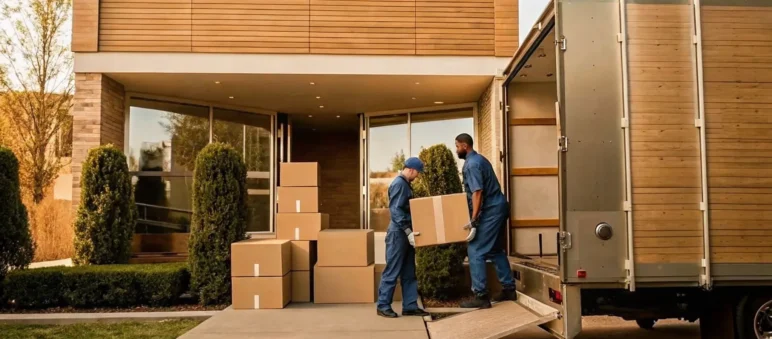
Taking on a cross-country relocation can feel like standing at the base of a mountain, wondering how you’ll ever get to the top. It’s a massive undertaking, and it’s completely normal to feel a little intimidated by the sheer number of tasks on your to-do list. But here’s the secret: you don’t have to do it all at once. The key to a successful experience when moving house long distance is breaking the journey down into small, achievable steps. Think of this guide as your trusted trail map, showing you the path forward and giving you the tools and confidence you need for a smooth and successful journey to your new home.
Key Takeaways
- Plan Early to Reduce Stress: Treat a long-distance move like a major project by starting your planning at least eight weeks out. This gives you enough time to declutter your home, research movers thoroughly, and manage the process without feeling rushed.
- Vet Your Mover Carefully: Your mover is your most important partner, so choose wisely. Protect yourself by getting multiple written, binding estimates from licensed carriers (not brokers), reading independent reviews, and asking detailed questions about their process and insurance.
- Create a Comprehensive Budget: A realistic budget prevents last-minute financial stress. Look beyond the main moving quote and account for potential extra charges, packing supplies, and your own travel costs like gas and hotels to avoid surprises.
What Is a Long-Distance Move?
You might be wondering what officially separates a local move from a long-distance one. While it sounds straightforward, the distinction is more than just mileage. Generally, a long-distance move is any relocation over 400 miles, but the most important factor is whether you cross state lines. Once you do, your move is considered an “interstate” move, which means it falls under federal regulations designed to protect you and your belongings. This is a key difference from a local move, which is typically governed by state rules.
Beyond the legal definitions, a long-distance move involves a completely different level of planning and coordination. Unlike a local move that might be completed in a day, relocating across the country requires careful scheduling that needs time to fall into place. You’re not just moving your things; you’re moving your entire life, and that can feel overwhelming. The logistics of transporting everything you own over hundreds of miles are far more complex, which is why the preparation process is so critical.
Thinking about your move in these terms helps set the stage for everything else. Because of the added layers of complexity, from federal rules to intricate logistics, planning a long-distance move requires a different approach. Understanding this from the start helps you stay organized, ask the right questions, and avoid common mistakes that can make the process more stressful than it needs to be.
How Much Does a Long-Distance Move Cost?
Let’s talk numbers. While every move is unique, a good starting point for a long-distance move is around $4,500. According to Allied Van Lines, that’s a rough estimate for moving the contents of an average seven-room house about 1,000 miles. Of course, this isn’t a fixed price. Think of it more as a baseline from which your actual cost will be calculated. The final number on your quote depends on a few key things: how much stuff you have, how far you’re going, and which services you decide you need.
For example, a move from Delaware to Florida with a fully packed four-bedroom house will look very different from a move from Philadelphia to Pittsburgh with the contents of a small apartment. The total weight of your belongings is one of the biggest factors that movers use to calculate cost, followed closely by the mileage. Additional services like professional packing, short-term storage, or moving specialty items like a piano will also adjust the price. Getting a clear breakdown of these costs from your mover is essential. Understanding these components is the first step to getting a handle on your moving budget and ensuring there are no surprises down the road.
What Affects Your Moving Costs?
The final price of your move is shaped by more than just distance. Long-distance relocations are complex puzzles involving careful scheduling and logistics, so several elements play into the cost. The biggest factor is the total weight of your shipment; the more you move, the more it will cost. This is why many families find that taking time to sell or donate unused items not only simplifies unpacking later but also helps lower the moving bill. Other factors include the time of year (summer moves are often pricier), how accessible your home is for a large truck, and any extra services you choose, like having the movers pack for you.
Spotting Hidden Fees and Broker Traps
No one likes surprise charges, especially during a stressful move. To protect your budget, it’s important to know how to spot potential traps. One of the best ways to prevent unexpected costs is to request a written, binding estimate. Unlike a non-binding estimate, a binding estimate locks in your price, provided you don’t add more items to the move. This is your best defense against last-minute price hikes. Also, be sure to book your movers well in advance. Waiting until the last minute can lead to higher rates and fewer reputable options, as long-distance moves require significant coordination from the moving company.
How to Budget for Your Move
A successful move starts with a solid budget. A common mistake is failing to budget properly, which often happens when we underestimate the time and effort involved. Start by listing all potential expenses, not just the mover’s fee. Think about the cost of packing supplies, travel expenses like gas and hotels if you’re driving, and any necessary cleaning or repair costs for your old home. It’s also smart to set aside a contingency fund, about 10% to 15% of your total moving budget, to cover any unexpected costs that pop up. Planning ahead gives you a realistic financial picture and reduces stress.
Professional Movers vs. DIY: Which Is Right for You?
One of the biggest decisions you’ll make is whether to hire a professional moving company or go the do-it-yourself route. There’s no single right answer; the best choice depends on your budget, timeline, and how much you’re willing to take on. A long-distance move is a major project, so it’s worth taking the time to weigh your options carefully. Let’s break down the pros and cons of each approach to help you decide what fits your family’s needs.
Hiring Movers: The Pros and Cons
Hiring a professional moving crew is the most hands-off option, and for many, the peace of mind is worth the price. Professionals handle the heavy lifting, the driving, and the complex logistics of moving your life across state lines. They have the right equipment and experience to protect your furniture and valuables. Plus, reputable movers are licensed and insured, giving you a safety net in case something gets damaged. Professional movers typically price your move based on weight and distance, which makes planning your budget more predictable. Getting a binding estimate is the best way to avoid surprise costs and lock in your price. The main drawback is the upfront cost, which is higher than a DIY move.
A DIY Move: The Pros and Cons
A DIY move can seem like a great way to save money, and it gives you complete control over your schedule. You decide when you pack, when you load the truck, and when you hit the road. This process also provides a great opportunity to declutter. Many families find that selling or donating unused items can help offset moving costs. However, the trade-off is a significant investment of your own time and physical effort. You are responsible for everything, from renting and driving a large truck to packing and loading every single box. The physical strain can be intense, and without a solid strategy, poor planning and lack of organization can quickly turn the move into a stressful, chaotic experience.
The Real Cost of a DIY Move
When you calculate the cost of a DIY move, it’s easy to forget the hidden expenses. The rental truck is just the beginning. You also have to pay for fuel, which can be substantial for a long-distance trip, plus insurance, moving supplies like boxes and blankets, and equipment like dollies. You may also need to factor in costs for hotels and meals along your route. Beyond the financial aspect, people often underestimate the time and effort required. A long-distance move involves complex logistics that need time to fall into place, from coordinating schedules to navigating unfamiliar roads in a large vehicle. The real cost of a DIY move often includes lost time from work, physical exhaustion, and a much higher level of stress.
How to Choose a Long-Distance Mover
Picking a long-distance mover is one of the most important decisions you’ll make for your relocation. You’re not just hiring a truck; you’re entrusting a company with your entire household. The right partner will make your transition feel manageable, while the wrong one can turn it into a nightmare of delays, hidden fees, and damaged belongings. It’s about finding a team you can truly trust to get your life from point A to point B safely.
So, how do you find that perfect moving partner? It comes down to doing a little homework. You’ll want to look past the flashy advertisements and dig into the details that really matter: their credentials, pricing structure, reputation, and the services they offer. A great mover is transparent, reliable, and has a track record of happy customers. Taking the time to verify these things now will give you incredible peace of mind when moving day arrives. Think of it as building a foundation of trust before the first box is even lifted. This process doesn’t have to be overwhelming. By focusing on a few key areas, you can confidently compare companies and select one that aligns with your needs and budget, ensuring your family’s belongings are in good hands.
Check for Licensing and Insurance
Before you even think about getting a quote, your first step is to confirm the mover is properly licensed and insured. Any company that crosses state lines must have a U.S. Department of Transportation (USDOT) number, which you can verify through the Federal Motor Carrier Safety Administration’s database. This is non-negotiable. It’s the baseline proof that they are a legitimate, registered business. Also, ask about their insurance options, often called “valuation coverage.” This isn’t traditional insurance, but it determines the mover’s liability if your items are lost or damaged. A professional company will be upfront about their credentials and coverage.
Look for Transparent Pricing
Moving quotes can be confusing, so it’s vital to find a company that offers clear, transparent pricing. For a long-distance move, ask for a binding estimate. This type of quote locks in your price based on the inventory of items you’re moving, so you won’t face any unpleasant surprises on delivery day. Be wary of any company that gives you a vague quote over the phone without a detailed inventory or in-home survey. A binding estimate is the best way to budget accurately and avoid the stress of unexpected costs.
Read Customer Reviews
Online reviews are your window into a company’s real-world performance. Go beyond the testimonials on the mover’s website and check independent sites like Google, Yelp, and the Better Business Bureau. Look for patterns in the feedback. Are customers consistently praising the crew’s professionalism and communication? Or are there recurring complaints about delays or damaged furniture? Pay attention to how the company responds to negative reviews, too. A thoughtful response shows they care about customer satisfaction. Learning how to spot fake reviews will also help you get a more accurate picture of the company.
Ask About Delivery Times and Reliability
Unlike a local move that happens in a day, a long-distance move involves complex logistics. Your belongings might be on a truck for several days or even weeks. Ask potential movers for their standard delivery window for your specific route. While they may not be able to give you an exact date far in advance, a reputable company should provide a clear timeframe and explain their process for keeping you updated. Understanding the timeline is crucial, as underestimating the time required is a frequent source of moving stress. Ask what their policy is if a delay occurs.
Consider Extra Services Like Packing and Storage
Moving is about more than just transportation. Many full-service movers offer additional options that can save you a tremendous amount of time and effort. These can include full or partial packing services, where a professional crew packs your entire home or just specific rooms like the kitchen. Many companies also offer secure storage solutions, which can be a lifesaver if your new home isn’t ready right away. By choosing a mover that offers these integrated services, you can plan ahead and create a much smoother, more organized relocation from start to finish.
How to Prepare for a Long-Distance Move
A long-distance move feels like a huge project because, well, it is. But you can make it manageable by breaking it down into smaller, more achievable steps. With a bit of planning, you can handle the logistics with confidence and arrive at your new home feeling prepared instead of frazzled. The key is to focus on what you can control, from organizing your timeline to packing that all-important first-night box. Let’s walk through how to get everything in order for a smooth transition.
Create Your Moving Timeline (and Start Early)
One of the most common mistakes during a long distance move is underestimating how much time you really need. A cross-country relocation has more moving parts than a local one, so starting your planning at least eight to twelve weeks before your move date is a smart strategy. Grab a calendar and work backward from moving day. Schedule key tasks like booking your movers, transferring utilities, and changing your address. Breaking the process down into weekly goals will keep you on track and prevent that last-minute panic.
Declutter and Downsize Before You Pack
Think of this step as a gift to your future self. The less you have to move, the simpler and more affordable your relocation will be. Before you even think about packing a single box, go through every room and decide what you truly need to bring with you. Sort items into four piles: keep, sell, donate, and toss. Holding a garage sale or selling items online can help offset moving costs, and donating gives your pre-loved belongings a new life. You’ll feel lighter, and your new home will feel less cluttered from day one.
Pack Strategically and Label Everything
When your belongings are traveling hundreds or thousands of miles, proper packing is non-negotiable. Improper packing techniques can lead to damaged items and a frustrating unpacking experience. Use sturdy, new boxes and cushion fragile items well. Pack heavier items in smaller boxes and lighter items in larger ones to make them easier to carry. Most importantly, label every single box with its contents and the room it belongs in. A simple color-coded sticker system, one color for each room, can make identifying boxes at your new home a breeze.
Plan Ahead for Pets and Specialty Items
Your furry family members and treasured heirlooms need special attention during a long-distance move. For pets, schedule a vet visit to get copies of their records and any necessary health certificates for travel. Plan their transportation, whether they’re traveling with you or a pet relocation service. For specialty items like pianos, antiques, or fine art, talk to your movers about custom crating and handling. Working with professional long distance movers ensures these valuable items are protected and you have one less thing to worry about.
Pack a “First-Night” Box
After a long journey, the last thing you’ll want to do is dig through dozens of boxes for your toothbrush. Pack a “first night box” with everything you’ll need for the first 24 hours in your new home. This essentials kit should include a change of clothes for everyone, toiletries, medications, phone chargers, and basic kitchen items like a coffee maker, mugs, and snacks. Don’t forget a few comforts, like your kids’ favorite toys or bedding, to make the first night feel more like home. Keep this box with you in your car, not on the moving truck.
Keep Important Documents Within Reach
In the chaos of packing, it’s easy to lose track of critical paperwork. Before you start sealing boxes, gather all your essential files and put them in a secure, waterproof folder or binder. This includes birth certificates, passports, social security cards, insurance policies, and your moving contract. Make sure to keep important documents within reach by transporting them in your personal vehicle. Having these items accessible will give you peace of mind during your travels and ensure you have them ready when you need them.
Is Storage a Smart Option for Long-Distance Moves?
Absolutely. In fact, thinking of storage as a tool rather than just an extra cost can make your long-distance move significantly less stressful. Life rarely lines up perfectly, and a moving timeline is no exception. What happens if you have to be out of your old home by the 31st, but you can’t get the keys to your new place until the 5th of the next month? This is where storage becomes a lifesaver. It creates a buffer, giving you much-needed flexibility during the transition so you aren’t scrambling to figure out what to do with a truck full of your belongings.
Storage is also incredibly helpful if you’re moving into a smaller home. It’s tough to make decisions about what to keep, sell, or donate when you’re surrounded by boxes. A storage unit gives you the breathing room to settle into your new space first. You can then sort through your other items at your own pace, without feeling overwhelmed by clutter. This is especially true if you are downsizing and need time to find the right home for cherished possessions that might not fit in your new layout.
The best part is that you don’t have to coordinate with a separate company. Most full-service movers, including our team, offer integrated storage solutions. We can move your items directly from your old home into a secure storage unit and then deliver them to your new home whenever you’re ready. This streamlines the entire process, giving you one less thing to worry about. It’s a simple, secure way to manage the gaps and complexities that often come with a long-distance relocation.
Common Long-Distance Moving Mistakes to Avoid
A long-distance move is a major life event, and a little bit of knowledge can go a long way in making it a smooth experience. While it’s easy to get overwhelmed by the details, most major headaches come from a few common, and completely avoidable, missteps. By being aware of these potential pitfalls, you can protect your belongings, your budget, and your peace of mind. Let’s walk through some of the most frequent mistakes people make so you can sidestep them with confidence.
Skipping research and relying on brokers
It’s tempting to go with the first low-ball quote you see, but be careful. That amazing price might come from a moving broker, not an actual moving company. A broker’s job is to sell your move to a third-party carrier, and they don’t have their own trucks or movers. While some brokers are legitimate, many give low estimates just to get your deposit, leaving you vulnerable to surprise charges and delays when the actual movers show up. To protect yourself, work directly with a licensed moving company that manages its own fleet and crew. You can verify a company’s status with the Federal Motor Carrier Safety Administration to ensure you’re dealing with a legitimate carrier.
Underestimating how long preparation takes
One of the biggest mistakes you can make is not giving yourself enough time. A long-distance move isn’t something you can pull together in a week. It involves complex logistics, from coordinating transportation to finalizing details at your new home, that simply require more lead time than a local move. Ideally, you should start planning at least eight to twelve weeks before your moving day. This buffer allows you to declutter thoughtfully, pack without rushing, research movers thoroughly, and handle any unexpected issues that pop up along the way. Rushing adds unnecessary stress and often leads to costly errors, so give yourself the gift of time.
Failing to get multiple quotes
Never settle on the first mover you talk to. To get a clear picture of what your move should cost, you need to get at least three in-home or virtual estimates from different reputable companies. This isn’t just about finding the cheapest price; it’s about finding the best value and a company you can trust. When comparing quotes, make sure you’re looking at the same services across the board. Ask if the estimate is a binding or non-binding quote. A binding quote guarantees the price won’t change, while a non-binding one can fluctuate. Also, take the time to check each company’s experience, read recent reviews, and confirm they are licensed and have a good standing with organizations like the Better Business Bureau.
Not being present during the weigh-in
For long-distance moves, the cost is typically based on the total weight of your belongings. This is why the weigh-in process is so important. The moving truck is weighed twice: once when it’s empty (the tare weight) and again after all your items are loaded (the gross weight). The final cost is calculated based on the difference. If possible, you or a trusted representative should be present for both weigh-ins at a certified scale. This ensures the weights are accurate and protects you from being overcharged. A reputable mover will have no problem with you witnessing this process; it’s a standard part of your right to a fair and transparent move.
Questions to Ask Before You Hire a Mover
Once you have a shortlist of potential movers, it’s time to pick up the phone or send an email. Think of this as an interview where you’re in the driver’s seat. Asking smart, specific questions not only helps you compare companies but also gives you a feel for their customer service and transparency. A reputable mover will be happy to answer your questions clearly and patiently. If you get vague answers or feel rushed, that’s a red flag. To make sure you cover all your bases and find the right partner for your move, here are the essential questions to ask.
What type of estimate will I receive?
This is one of the most important questions you can ask. A moving estimate can be binding, non-binding, or binding-not-to-exceed. A non-binding estimate is just a ballpark figure that can change, while a binding estimate locks in the price, so you won’t have any surprises on moving day. Ask if they will provide the estimate in writing and what it includes. A clear, detailed estimate is a sign of a professional company that values transparency. Don’t be afraid to ask for clarification on any line item you don’t understand.
What is your timeline and availability?
Many people underestimate how much lead time a long-distance move requires, so you’ll want to discuss scheduling right away. Ask about their current availability for your desired moving dates. Find out how long they estimate the transit will take from your old home to your new one. It’s also wise to ask about their policy on delivery windows. Will they give you a specific delivery date or a range of several days? Understanding their timeline helps you plan your own schedule, from booking flights to arranging for time off work.
How do you protect my belongings?
Your belongings are precious, so you need to know how a company will handle them. Ask about their standard valuation coverage, which is the basic liability movers are required to offer. This is usually minimal, so you should also inquire about options for full-value protection. This will ensure you can fully protect your belongings during the move. Find out what their process is for filing a claim if something is damaged or lost. A professional mover should have a straightforward system and be able to explain it to you clearly.
Can you explain all potential fees?
To create a clear budget, you need to know about any costs that might not be included in the initial quote. Ask about potential extra charges. Are there fees for moving items up or down stairs, for long carries (if the truck can’t park close to your door), or for shuttle services (if a large truck can’t access your street)? Inquiring about these possibilities upfront helps you avoid unexpected expenses and ensures the final bill aligns with what you planned for. A trustworthy company will be upfront about all potential costs.
Related Articles
- 5 Tips On Moving Long Distance
- Tips on Preparing for a Long-Distance Move
- How to Make a Long Distance Move Easier
Frequently Asked Questions
How far in advance should I book my long-distance movers? For a long-distance move, it’s best to book your movers at least two to three months before your target date. This gives you a better chance of securing a reputable company for the exact dates you need, especially if you plan to move during the busy summer season. Booking early also gives you plenty of time to get a detailed in-home estimate and avoids the stress and higher prices that often come with last-minute arrangements.
What’s the difference between moving insurance and the “valuation” movers talk about? This is a great question because the terms can be confusing. Valuation is not insurance; it is the level of liability your moving company accepts for your belongings. Basic valuation offers minimal protection, often just cents on the dollar per pound. Full Value Protection is a better option where the mover agrees to repair, replace, or pay the current market value for any lost or damaged items. True moving insurance is a separate policy you can purchase from a third-party insurer for even more comprehensive coverage.
What happens if my move-out and move-in dates don’t match up? It’s very common for there to be a gap between when you leave your old home and when you can get into your new one. This is where storage solutions become incredibly useful. A full-service moving company can hold your belongings in a secure storage facility and then deliver them to you when your new home is ready. This creates a flexible buffer, so you don’t have to worry about what to do with a truck full of furniture.
Is there a way to lower my moving costs besides just getting rid of stuff? While decluttering is one of the most effective ways to reduce costs, it isn’t the only one. Your moving date can have a big impact on price, so if you have flexibility, ask your mover about off-season or mid-week rates, which are often lower. You can also save money by doing some of the packing yourself. Handling clothes, books, and other non-fragile items on your own and leaving the delicate packing to the professionals can be a good compromise.
What is a binding estimate, and why is it so important? A binding estimate is a written agreement that locks in the total cost of your move based on a specific inventory of your belongings. As long as you don’t add any items to the shipment, the price you are quoted is the price you will pay. This is your best tool for budgeting accurately and protecting yourself from unexpected charges on moving day. Always ask for a binding estimate in writing before you agree to hire a mover.