
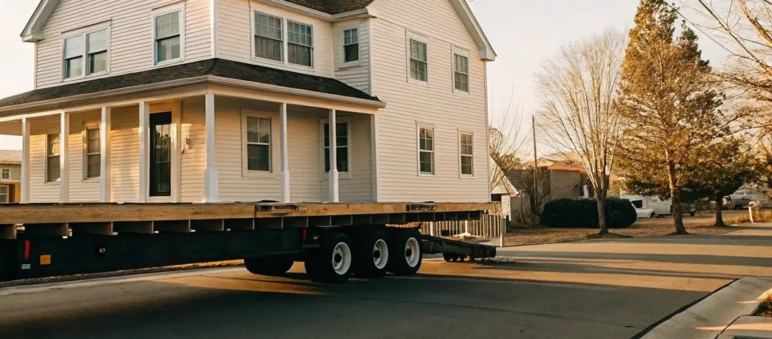
Have you ever thought, “I absolutely love this house, but I wish it were somewhere else”? Maybe you dream of a better school district, a quieter street, or a plot of land with a view. For most of us, that thought remains a daydream. But for some, it becomes a real-life project. The process of moving entire house from one location to another is a monumental undertaking, but it’s done for compelling reasons. People do it to save a historic gem from demolition, escape a floodplain, or simply bring their beloved home to a better piece of land. It’s the ultimate act of commitment to your home, and this guide will walk you through what it really takes.
Key Takeaways
- Choose the Right Team: This is not a standard move, so you need a specialized structural moving company. A good partner will handle the complex logistics, including permits, route planning, and utility coordination, acting as your expert guide throughout the project.
- Budget Beyond the Mover’s Fee: The price to transport your house is just one piece of the financial puzzle. Your total budget must also account for separate costs like pouring a new foundation, securing permits, paying utility fees, and arranging for temporary housing.
- Prepare for the In-Between: The entire process takes time, leaving your house uninhabitable for weeks or even months. You will need to arrange for temporary housing for your family and a secure storage solution for belongings that cannot stay inside the structure during the move.
What Does It Mean to Move a House?
When you think about moving, you probably picture packing tape, cardboard boxes, and loading your belongings onto a truck. But there’s another, much larger kind of move: relocating the entire house itself. It’s a fascinating process, and understanding what it involves is the first step to deciding if it’s the right path for you. While our expertise lies in helping you move your life’s treasures from one home to another, we want you to feel informed about every option, no matter how big.
House Moving vs. a Standard Relocation
A standard relocation is the process we’re all familiar with: packing up the contents of your home and transporting them to a new address. House moving, on the other hand, is a highly specialized service where the physical structure of the house is lifted from its foundation, placed on a transport system, and moved to a new location. This can be a few feet over on the same lot or many miles away. It’s a complex engineering feat that involves structural movers, utility companies, and local authorities working in perfect sync.
When Should You Move a House?
Undertaking a project of this scale isn’t a casual decision. People choose to move a house for compelling reasons. Sometimes, it’s to rescue a home from a recurring hazard like a floodplain or an eroding cliffside. Other times, it’s an act of preservation, saving a beautiful historic home from being demolished to make way for new development. You might also consider it if you love your house but not its location, allowing you to move your cherished home to a new plot of land with a better view or a more convenient setting.
House Move vs. New Construction: Which Is Right for You?
Deciding between moving an existing house and building a new one comes down to your priorities. From an environmental standpoint, moving a house is a powerful form of recycling. It prevents an entire structure’s worth of materials from ending up in a landfill. Financially, the answer is more complex. While moving a house can be less expensive than demolition and new construction, the final cost depends on many factors, including the home’s size, the travel distance, and the complexity of the route. You’ll need to weigh the unique character and history of the existing house against the potential costs and logistical hurdles of the move.
Get the Right Permits and Approvals
Moving a house isn’t as simple as loading it onto a truck and hitting the road. Before your home goes anywhere, you’ll need a stack of permits and approvals from various local authorities. This part of the process can feel overwhelming, as it involves zoning laws, road clearances, and building codes. The good news is that you don’t have to figure it all out on your own. An experienced house-moving company will manage the entire permitting process, ensuring every detail is handled correctly so your move is legal, safe, and smooth.
Understand Local Zoning and Government Rules
Because moving an entire house is an uncommon event, your local government office might not have a standard procedure for it. This is where a specialized moving company becomes your most valuable partner. They have the experience to work with municipal departments to secure all the necessary road permits and zoning variances. They know exactly who to contact and how to present the project plan for approval. This saves you from the headache of trying to explain your unique situation to officials who may be unfamiliar with the process, letting you focus on the bigger picture of your move.
Clear the Route with Utility and Road Officials
Your moving team will meticulously plan the safest and most direct path for your home. This route planning goes far beyond just looking at a map; it involves a detailed survey of road widths, bridge weight limits, and any overhead obstructions. A major part of this step is coordinating with each public utility company to temporarily move power lines, phone cables, and other wires that stand in the way. This coordination is a significant logistical effort and a key factor in the overall cost, but it’s essential for getting your home to its new location without a hitch.
Meet Structural and Building Inspection Standards
Before your house can be moved, it must pass several inspections to ensure it’s structurally sound for the journey. A structural engineer will likely need to assess the home and confirm it can withstand the stresses of being lifted and transported. Additionally, many towns require a moved house to meet the same building codes as new construction. This means you may need inspections for hazardous materials like asbestos or lead paint, especially in an older home. These checks are in place to protect both your investment and your family’s safety in your home’s new location.
The House-Moving Process, Step by Step
Once you’ve decided to move your entire house, the journey unfolds in a series of carefully planned stages. While it’s a major undertaking, understanding the process can make it feel much more manageable. From hiring the right team to pouring a new foundation, each step is a move toward settling your home in its new location. Think of it as a grand project managed by a team of specialists, with you as the director. Here’s a look at the key phases you can expect.
Hire a Specialized House Mover
This isn’t a job for a standard moving company. Your first and most important step is to find a reputable firm that specializes in structural moving. These professionals have the heavy-duty equipment and, more importantly, the experience to handle such a complex project. A specialized mover will understand the intricate web of local permits and regulations, saving you from logistical headaches. When you interview potential companies, ask for proof of insurance, a portfolio of past moves, and references from previous clients. Choosing the right structural moving professionals is the foundation for a successful relocation.
Prep the Structure for the Move
Before your house can go anywhere, it needs to be prepared for the journey. A team of workers will carefully detach anything that isn’t part of the main structure, such as porches, decks, garages, and even chimneys. Inside, they will disconnect all the utilities, including plumbing, electrical wiring, and gas lines. This process is essential to lighten the load and create a stable, secure structure for transport. It’s a bit like packing up a room, but on a much larger scale. The crew ensures everything is properly secured or removed to prevent damage during the lift and transit.
Disconnect Utilities and Finalize the Route
With the house prepped, the focus shifts to logistics. Your moving team will coordinate with utility companies to officially disconnect all services at the street level. At the same time, they will finalize the transportation route. This is a highly detailed process where they map out a path that avoids obstacles like low bridges, tight corners, and overhanging power lines. They also have to account for road widths and the weight capacity of any bridges along the way. This meticulous route planning ensures a safe and smooth trip from your old lot to the new one, with all necessary clearances from local authorities.
Lift, Transport, and Set the House
This is the moment everything has been leading up to. Using a unified hydraulic jacking system, the moving crew will slowly lift the entire house off its foundation. Steel beams are inserted underneath for support, and the structure is placed onto specialized dollies or self-propelled transporters. The journey to the new site is slow and steady, often happening in the early morning hours to minimize traffic disruption. Once at the destination, the house is carefully positioned over the new site and placed on temporary supports, called cribbing, while it waits for its new foundation to be built.
Reconnect Utilities and Get Final Sign-Off
After the house is resting on its temporary supports, a new foundation is constructed beneath it. This could be a crawl space, a basement, or a slab, depending on your plans. Once the foundation is cured, the house is carefully lowered into its final position. From there, the process of putting everything back together begins. Plumbers, electricians, and other contractors will reconnect all the utilities. Finally, you’ll need to get a series of final inspections and a certificate of occupancy from your local building authority. This last step makes it official: your house is a home again.
How Much Does It Cost to Move a House?
Figuring out the budget is often the first step in any big project, and moving an entire house is no exception. While it’s a significant investment, it can be a cost-effective choice compared to new construction, especially if you love your home’s character. The final price tag is a combination of the mover’s fee and several other project costs. Understanding what goes into the total expense will help you plan effectively and avoid surprises. Let’s walk through what you can expect.
What to Expect for a Typical Budget
If you’re looking for a single, straightforward answer on cost, you’ll find that one doesn’t really exist. Moving a house is a highly customized job, and the cost changes a lot depending on the specifics of your home and the route to its new location. Think of it less like a standard service and more like a major construction project with a unique price for every situation. The mover’s initial estimate will give you a baseline, but the best approach is to gather quotes and understand that the final number will be tailored specifically to your project’s complexity.
Key Factors That Influence Cost
Several key elements of your home directly influence the price of the move. First, the size and shape of the house matter. A large, sprawling one-story home can be more complex and costly to move than a compact, two-story house, even if they have similar square footage. The construction material is another major factor; a heavy brick or block house requires more support and effort than a lighter wood-frame structure. Finally, accessibility plays a role. If your home has a crawl space with less than three feet of clearance, the crew will need to do extra digging, which adds to the labor and cost.
Budget for Permits, Utilities, and a New Foundation
The quote from your house-moving specialist covers the incredible feat of lifting and transporting your home. However, it’s not the total project cost. You’ll also need to budget for several other essential expenses that are typically managed by a general contractor. This includes securing all necessary municipal and state permits, which can be a complex process. You’ll also need to pay for disconnecting all utilities at the old site and preparing the new site, which involves excavating and pouring a brand-new foundation. These costs are separate from the mover’s fee but are just as critical to your overall budget.
Watch Out for These Hidden Costs
Beyond the house itself, the journey to its new spot can introduce additional costs. The planned route must be clear of any obstructions, and dealing with them can get expensive. Think about everything your house might encounter on its way. Obstacles like power lines, low-hanging tree branches, traffic lights, and mailboxes may need to be temporarily moved or worked around. Utility companies often charge a fee to lift or lower their lines to allow a house to pass. In many cases, you may also need to pay for a police escort and traffic control to ensure a safe journey, all of which will be added to your final bill.
Prepare for Potential House-Moving Challenges
Moving a house is a huge undertaking, and like any major project, it can have its share of surprises. Knowing what to expect can make all the difference. Being prepared for potential challenges, from logistical hurdles to unexpected costs, helps you stay in control and ensures the process goes as smoothly as possible. Let’s walk through some common issues and how you can plan for them.
Common Misconceptions to Avoid
First, let’s clear up a few myths. Some people think that homes built for relocation are flimsy or unstable, but that’s simply not true. Many are constructed to very high standards and are just as durable as a traditional home. Another common belief is that only old, secondhand houses get moved. In reality, many new homes are specifically designed to be relocated. Don’t let worries about financing stop you either; there are various financing options available that can make your house-moving dream a reality.
Protect Your Home’s Structure in Transit
Getting your house ready for the road is a critical step. Your moving team will need to disconnect all the utilities, like electricity and water pipes, before the journey begins. Depending on your home’s size and design, they may also need to remove sections like porches or roof extensions. Once the house arrives at its new home, they will carefully reassemble everything. This entire process requires meticulous planning to protect the home’s structure and ensure it arrives in the same condition it left. It’s a job for pros who know exactly what they’re doing.
Plan for Road and Utility Hurdles
The journey from point A to point B is more than just a drive down the street. A huge part of the process involves planning the route your house will take. The roads need to be wide enough and straight enough to handle the house and the massive truck carrying it. You’ll also need to coordinate with local utility companies. They may have to temporarily lift or lower power lines, phone cables, and traffic signals to create a clear path. Getting this all sorted out ahead of time is essential for avoiding major delays and keeping the move on track.
How to Handle Unexpected Costs and Delays
Even with the best plan, surprises can happen. Moving a house is a complex project, and it’s wise to prepare for unexpected expenses. Obstacles like low-hanging power lines, large trees, or even permanent traffic lights can complicate the route, which can add to your final bill. These challenges might also limit how far your house can actually be moved. By understanding these potential roadblocks from the start, you can work with your moving partner to create a more realistic budget and timeline, minimizing surprises along the way.
Your Checklist for a Smooth House Move
Moving an entire house is a massive undertaking, but with a solid plan, you can make the process feel much more manageable. Think of it like a detailed recipe: follow the steps, and you’ll have a much better chance of success. This checklist covers the essential preparations you’ll need to make before your house begins its journey.
Secure the Right Insurance
Your standard homeowner’s policy likely won’t cover the unique risks of lifting a house off its foundation and moving it down the road. It’s essential to get specialized insurance for the move itself. This type of policy is designed to protect your home against structural damage that could happen during the lift, transport, or placement at the new site. Talk to your insurance agent about your plans and ask about structural moving insurance or a course of construction policy. It’s an extra layer of protection that provides peace of mind, ensuring your single largest asset is covered every step of the way. Think of it as a safety net for the unexpected.
Choose an Experienced Relocation Partner
This is arguably the most critical decision you’ll make. Moving a house is a highly specialized field, and you need a team that lives and breathes this kind of work. An experienced house-moving company will understand the entire process, from structural engineering requirements to local permit navigation. They’ll have the right equipment and a crew that knows how to handle challenges on the fly. When vetting companies, ask for references from past structural moves and verify their credentials. A reputable partner will not only move your house but will also act as your guide through this complex project, making sure every detail is handled correctly.
Arrange for Temporary Housing and Storage
Your home will be uninhabitable for a significant period. Before the move, workers will disconnect all your utilities, including electricity, water, and sewer. After the move, it will take time to place the house on its new foundation and reconnect everything. This process can take weeks or even months. You’ll need to arrange for temporary housing for your family during this time. You should also plan for what to do with your belongings. While some items can stay in the house, many things may need to be moved into a secure storage solution to keep them safe and accessible.
Keep Neighbors and Officials in the Loop
Giving everyone a heads-up is more than just a courtesy; it’s a crucial part of a smooth move. Your house-moving partner will likely handle the official permits, but keeping your neighbors informed about the timeline can prevent a lot of headaches. Let them know when roads might be blocked or when large equipment will be in the area. It’s also wise to maintain open communication with local officials. Since house moving is uncommon, town or county departments may have questions. Keeping everyone in the loop helps build goodwill and ensures that when the big day comes, the focus is on getting your home safely to its new location.
Related Articles
- Tips for Moving into a New Home
- 6 Moving Mistakes to Avoid as a Homeowner
- 6 Must-Do Activities to Keep in Mind When Moving into a New Home
Frequently Asked Questions
Is it actually cheaper to move a house than to build a new one? That’s the big question, isn’t it? The answer really depends on your specific situation. While moving a house can sometimes be less expensive than a full demolition and new build, the mover’s fee is only one piece of the puzzle. You also have to budget for a new foundation, permits, utility work, and route-clearing fees. The best way to think about it is to weigh the total project cost against the value of keeping your specific home, with all its unique character and history.
How do I find a company that specializes in moving houses? You won’t find these experts by searching for standard movers. Instead, look for terms like “structural mover” or “house lifting company.” A great place to start is the International Association of Structural Movers (IASM), which has a directory of members. You can also ask your local building department for recommendations, as they often work with these companies during the permitting process. Always get multiple quotes and check references thoroughly.
Can any type of house be moved? Technically, most houses can be moved, but some are much better candidates than others. For example, a wood-frame house is generally easier and less costly to move than a brick or stone one because it’s lighter. The home’s overall structural condition and the accessibility of its foundation are also huge factors. The only way to know for sure is to have a professional structural mover come out and assess your specific home.
How long does the entire house-moving process take from start to finish? This is definitely a long-term project, not a weekend job. The initial planning, engineering, and permitting phase alone can take several months. The actual preparation and physical move might only take a few weeks, but then you have to account for the time it takes to build the new foundation, lower the house, and reconnect all the utilities. You should plan on being in temporary housing for at least a few months.
What should I do with all my furniture and belongings during the move? While some heavy furniture can sometimes be braced and left inside, it’s generally best to empty the house. Packing up your belongings protects them from any shifting during the lift and transport, and it also reduces the overall weight, which can simplify the move. This is the perfect time to use a professional moving and storage service to keep your things safe and out of the way until your house is settled and ready to become a home again.