
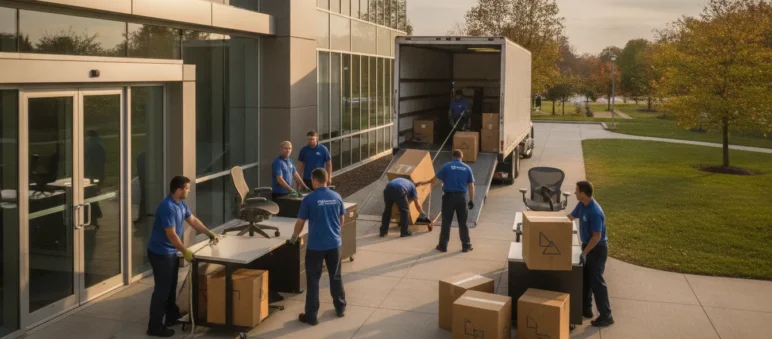
A commercial move in New Castle needs an organized plan before the truck arrives. Commercial movers new castle de should understand your access, equipment, and business priorities.
Commercial movers new castle de can help businesses plan inventory, packing, loading, transport, placement, and optional storage. The right process starts with a clear scope and documented estimate.
Delaware Moving & Storage has served northern Delaware and the tri-state area for more than 42 years. The company provides commercial moving, packing, and storage services in Wilmington, Newark, Middletown, New Castle, Bear, and nearby communities.
Request a free moving estimate before finalizing your relocation scope.
How do Commercial Movers New Castle DE support business planning?
Start by deciding which items you will pack and which items need professional attention. A full packing service can cover the household, while partial packing can focus on selected rooms or fragile belongings.
Delaware Moving & Storage offers both full and partial packing with professional materials. This can help when work, family responsibilities, limited time, or a large household makes packing everything yourself difficult. Review the professional packing services available for your move.
Use a room-by-room packing plan
Pack one room at a time, and finish each room before moving to the next. Begin with items you rarely use, such as seasonal decorations, books, spare linens, and decorative pieces.
Keep daily essentials separate until the final day. Set aside medications, chargers, important documents, basic toiletries, a change of clothes, pet supplies, and simple kitchen items. Carry these essentials with you instead of placing them on the moving truck.
Before sealing each box, check its contents and write the destination room on multiple sides. Add a short description, such as “hall closet” or “kitchen cookware.” Clear labels help the crew place boxes correctly at delivery.
Protect fragile and specialty items
Wrap glassware, dishes, mirrors, artwork, and electronics with appropriate cushioning. Use sturdy containers and avoid leaving empty space where contents can shift during handling.
Keep valuable documents, jewelry, cash, and irreplaceable personal items with you. Ask about specialty items before moving day. Pianos, antiques, oversized furniture, exercise equipment, and delicate instruments may require additional planning.
Do not pack hazardous materials or items that should not travel in a moving truck. If you are unsure about a particular item, raise the question during planning rather than waiting until loading begins.
Gather supplies and coordinate with the crew
Your supplies may include boxes in several sizes, packing paper, tape, labels, markers, protective wrap, and specialty cartons. Use this moving supplies checklist to organize purchases before packing starts.
If systematic packing or an inventory is requested, confirm what the crew will pack and how rooms or boxes will be identified. This keeps your expectations aligned and gives everyone a clear reference during loading and delivery.
Request an in-home moving estimate before moving day.
How Can You Prepare Home Access for Local Movers in Bear, DE?
Home access can shape the work as much as the furniture itself. Before moving day, walk the route from the driveway to each room. Note stairs, narrow turns, low ceilings, elevators, gates, and surfaces that need protection.
Share driveway and parking details during the survey. Tell the coordinator about street access, shared driveways, loading zones, apartment rules, or a long distance between the truck and door. Early notice helps the crew plan equipment and the order of work.
Clear walkways before the crew arrives. Remove loose rugs, toys, garden tools, and other trip hazards. Keep children and pets away from the active work area. This gives movers a predictable path while boxes and furniture are being carried.
Protect the destination before the first item enters. The moving team may use door and floor protection, furniture pads, stretch wrap, hand trucks, and four-wheel dollies. The correct approach depends on the home’s layout and the items being moved.
Make a simple access list for both addresses. Include the best entrance, parking instructions, contact person, elevator reservation, and rooms that need priority placement. If a doorway or stairwell is tight, flag it before the crew loads the truck.
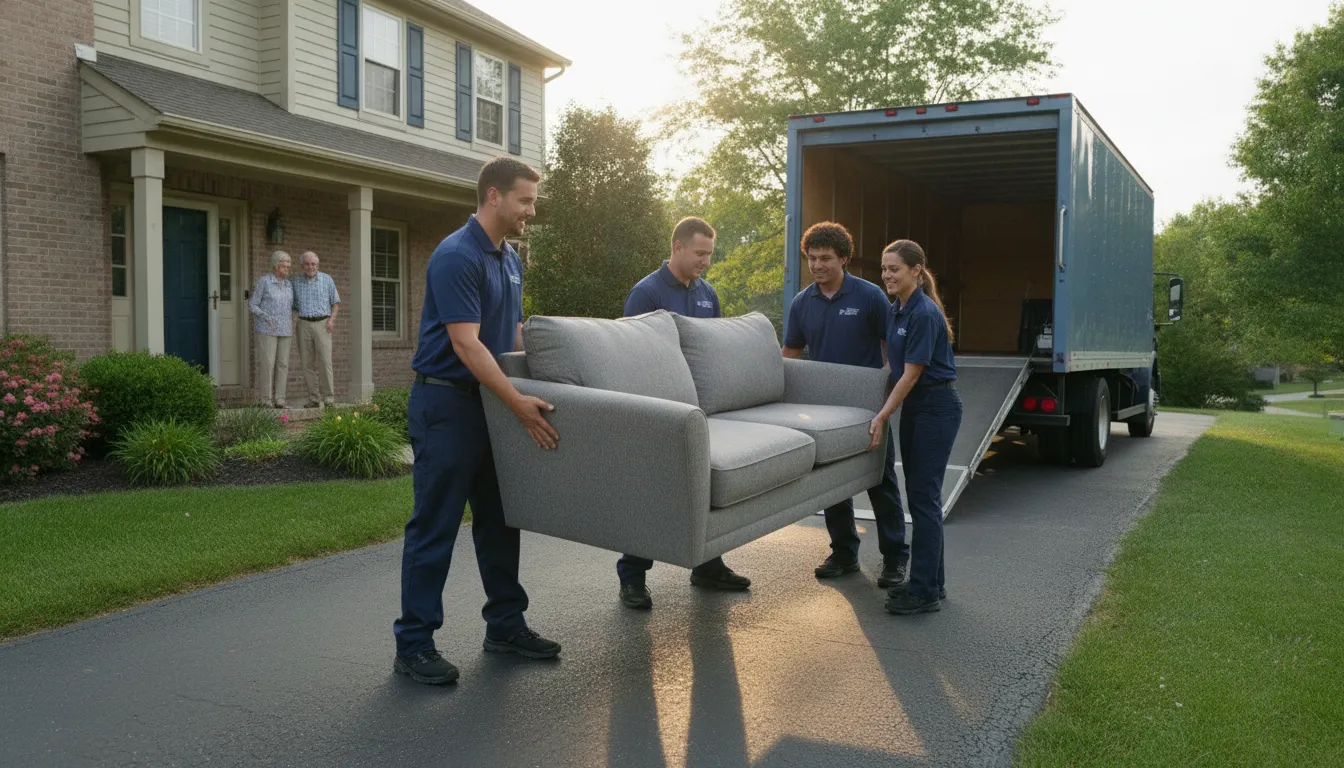
For a move involving an apartment, confirm building policies and reserve any required elevator or loading space. Customers should also measure large furniture against tight openings. That small check can prevent a difficult decision at the doorway.
Delaware Moving & Storage serves Bear and other New Castle County communities. Review its moving services in Bear, DE page for service information. A clear access plan helps the estimate and move-day conversation reflect the actual property.
When Does Storage Make a Bear Move Easier?
Storage can help when your move has two different dates. A home sale may close before your next property is ready. A renovation may delay move-in. An apartment lease may end before the new home is available. In each case, storage creates a planned bridge instead of forcing every step into one day.
Delaware Moving & Storage offers storage between home sales for situations that require a temporary holding period. Its storage service also covers longer-term needs. The right choice depends on the length of the gap, your access needs, and how often you expect to retrieve items.
| Option | Best fit | Planning question | Coordination note |
|---|---|---|---|
| No storage | Move-out and move-in dates align closely. | Can the destination receive every item on delivery day? | Confirm access, parking, and room placement at both homes. |
| Short-term storage | A closing, renovation, lease, or possession gap separates the addresses. | What is the earliest realistic move-in date? | Share both dates early so loading and delivery can be sequenced. |
| Longer-term storage | Your household needs a flexible transition or will not use items soon. | Which belongings need access during the storage period? | Separate essentials and label priorities before loading. |
What to confirm before choosing storage
Ask how the storage period affects pickup, inventory, delivery, and access. A clear inventory helps everyone identify what enters storage and what stays with you. Keep medications, important documents, daily clothing, chargers, and basic kitchen items outside storage when possible.
Delaware Moving & Storage lists more than 40,000 square feet, five loading docks, 24-foot clearance. Containerized storage systems, a Class A rating, and a 24-hour central alarm system at its facility. Review the company’s storage service page for the current details and available planning information.
Storage works best when it is included during the survey and estimate discussion. Tell the moving team about the timing gap, access constraints, and items that may need early retrieval. That allows the move plan to account for loading, storage, and final placement from the beginning.
What Should You Confirm With the Crew Before Move Day?
A short confirmation call can prevent surprises when the truck arrives. Review the details below with your moving coordinator before move day, especially if your Bear home has tight access, stairs, parking rules, or specialty items.
- Confirm the approved scope. Review the rooms, furniture, boxes, appliances, and services included in the moving plan. Clarify whether the crew will pack everything, pack selected rooms, or move items you have already prepared. If something changed after the survey, report it before the crew arrives. A current scope helps the team plan equipment, labor, and loading order.
- Confirm the expected crew arrival. Ask about the planned arrival window and the best way to reach the coordinator that morning. Local moves generally use at least two crew members. The size of the move determines whether a larger crew is appropriate, so confirm the planned crew without expecting a fixed number for every household.
- Confirm access at both addresses. Share driveway restrictions, narrow streets, stairs, elevators, apartment rules, parking instructions, and gate codes. Tell the crew where the truck may safely park. If a building requires a certificate of insurance or a reserved loading area, verify that requirement ahead of time.
- Confirm protection procedures. Ask how floors, doorways, walls, railings, and furniture will be protected. Local moving equipment may include furniture pads, stretch wrap, hand trucks, four-wheel dollies, and door and floor protection materials. Discuss any fragile surfaces or recently finished floors before loading begins.
- Confirm the inventory and special items. Walk through items that need extra planning, including large furniture, antiques, artwork, pianos, safes, exercise equipment, or unusually heavy pieces. Confirm what the crew will handle and whether any item needs preparation, disassembly, special packing, or separate approval.
- Confirm labeling and placement instructions. Decide how rooms and boxes will be identified at delivery. Keep a simple placement list available so the crew knows where beds, tables, and major furniture should go. If you need systematic inventory support, discuss that service before the move rather than waiting until loading starts.
- Confirm communication and final questions. Identify your primary contact for schedule changes, access problems, or decisions during the move. Ask when the crew will review the work with you, how placement requests will be handled, and when protection materials and debris will be removed. Delaware Moving & Storage emphasizes preplanning and monitoring from start to finish, which makes clear communication part of the moving plan.
These confirmations give you and the crew the same working plan. They also make it easier to address a changed item or access condition before it slows the move.
What Happens During a Well-Coordinated Local Move?
A well-planned move follows a clear sequence, with the crew protecting the home before furniture begins moving. The team reviews the work, confirms access, and identifies items that need special handling. Preplanning helps everyone understand the order of work and the communication process.
Protection comes first. Crews may use furniture pads, stretch wrap, and door and floor protection materials to reduce contact with walls, flooring, and door frames. The right protection depends on the home, the furniture, and the route between the rooms and truck.
During loading, movers work systematically rather than carrying items to the truck without a plan. They use equipment such as hand trucks and four-wheel dollies when appropriate. Careful loading and proper weight distribution help organize the truck for transport and reduce unnecessary handling.
The crew also considers the sequence of delivery. Heavier items and larger pieces require thoughtful placement inside the truck. Boxes and furniture must remain accessible when the team reaches the destination. This planning matters when customers want specific pieces placed first in particular rooms.
At the new home, the crew unloads and places items according to the customer’s direction. Before the move, identify room names, priority furniture, and any pieces that should not be moved until you are ready. Clear instructions help the team work efficiently without guessing where each item belongs.
Communication continues throughout the move. Customers can raise questions, clarify placement, and identify changes as the work progresses. Delaware Moving & Storage emphasizes monitoring the move from start to finish, with local moving operations that include protection, loading, placement, removal of protection materials, and cleanup.
At the end, the crew removes protective materials and cleans the work areas included in the moving service. Walk through the home before the team leaves. Check that furniture is in the intended rooms, boxes are grouped appropriately, and any remaining questions have been addressed.
For a detailed overview of the service, review the company’s local moving services. A physical or virtual survey can also help the company understand your move and prepare a detailed estimate.
Request an in-home moving estimate before your Bear move.
Frequently Asked Questions
What do commercial movers in Bear coordinate?
A commercial moving plan can cover furniture, equipment, files, packing, loading, access, delivery, placement, and storage. The exact scope should be confirmed during planning so the crew and business team share the same priorities.
How should a Bear business prepare office equipment?
Create an inventory and assign each department or destination a simple code. Photograph electronic connections, label cables, secure furniture parts, identify priority items, and separate anything that will be stored, donated, or discarded.
Can storage help when a business move has a timing gap?
Yes. Short-term or long-term storage can help stage items when the old and new locations are not ready at the same time. Confirm contents, access needs, release phases, and facility suitability for the specific move.
How can a business reduce downtime during a relocation?
Identify critical operations, assign department contacts, phase the move when practical, and protect the restart window. Confirm access, placement, technology, phones, security systems, and customer-facing areas before declaring the move operationally complete.
How are commercial moving estimates prepared?
A physical or virtual survey helps the mover review inventory, access, packing, equipment, protection, and storage needs. Ask for a detailed written scope that explains the services included rather than relying on a vague verbal estimate.