
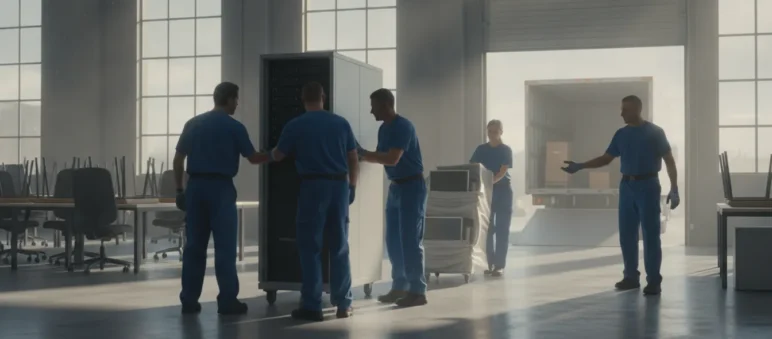
A commercial relocation in Dover affects more than desks and boxes. Office furniture, equipment, files, access rules, delivery windows, and employee schedules all need to fit into one workable plan. Starting with a clear inventory and site review gives business leaders a better foundation for protecting assets and maintaining continuity.
Request a physical or virtual moving estimate
Businesses comparing commercial movers dover de should prepare an item inventory and identify building access requirements. Outline scheduling and downtime concerns, then discuss packing or temporary storage before the survey. These details help create a detailed estimate that reflects the actual move rather than an unverified guess.
For a Dover office or facility move, the most useful planning conversation begins with what is being moved. Who controls each site, and which conditions could affect loading or delivery. Reviewing those details early makes it easier to coordinate stakeholders, protect sensitive items, and build a realistic path from the current location to the new one.
What Should Commercial Movers Dover DE Review Before a Business Move?
A useful commercial moving survey starts with a practical inventory, not a rough guess based on office square footage. For a Dover business, the review should show what is moving, what needs special handling. What can be packed by staff, and what must be ready when operations resume. This gives the moving team a clearer picture of the work and helps your company prepare a detailed scope.
Group everything by business function
Start with broad categories such as desks, conference tables, seating, shelving, computers, printers, warehouse equipment, files, supplies, and break-room contents. Note which items are staying behind, being recycled, donated, or moved to storage. Include items in closets, supply rooms, receiving areas, garages, and other spaces that are easy to overlook during a quick walkthrough.
For each category, record approximate quantities, dimensions when they affect handling, and the department or room where the items belong at the new location. A simple room-by-room list is often more useful than a single total. It also helps operations leaders identify items that need to be available first.

Identify specialty items and protection needs
Call out heavy, fragile, high-value, unusually shaped, or sensitive equipment separately. This may include servers, laboratory or medical equipment, commercial fixtures, safes, artwork, copiers, production tools, and records that require controlled handling. Note whether equipment must be disconnected by an internal specialist, whether it needs crating or extra protection, and whether the receiving site is ready for placement.
Professional equipment such as furniture pads, stretch wrap, hand trucks, four-wheel dollies, and door and floor protection can support careful handling. The right approach depends on the inventory and the site conditions, so document concerns rather than assuming every item follows the same process.
Bring the right stakeholders into the survey
Include the business owner or decision maker, office or facility manager, IT lead, department representatives, building contacts, and anyone responsible for security or compliance. Before the survey, gather floor plans, access rules, preferred delivery windows, parking instructions, and any landlord requirements. A current commercial and office moving service can then be evaluated against the actual scope, rather than a generic office description.
Preparing this information supports Delaware Moving & Storage’s No Blind Estimates approach. A physical or virtual survey can review the inventory, access, packing, protection, and storage requirements before a detailed estimate is prepared.
How Do Building Access and Site Rules Shape a Dover Move?
A commercial relocation can be carefully organized and still face delays if the building’s access rules are left until moving day. Before scheduling crews, identify how movers will reach the current and new spaces, where vehicles may stage, and which approvals the property requires. These details help turn a general plan into a workable move scope.
Review the route from truck to workspace
Start with the loading area. Confirm whether the building has a loading dock, a designated curb space, or a service entrance. Ask about truck height limits, dock clearance, turning space, and whether vehicles may remain in the area while items are loaded or unloaded. If a dock is shared, determine how it is reserved and whether another tenant’s delivery could affect the move.
Elevators and stairs deserve the same attention. Find out whether a freight elevator is available, how large the cab and doors are, and whether reservations are required. Measure tight turns, doorways, and stairwells for bulky furniture or equipment. Note any items that require special handling, floor protection, or a different route. Delaware Moving & Storage documents professional equipment and protective materials such as furniture pads. Stretch wrap, and door and floor protection, but the specific access plan still depends on each building.
Coordinate rules, people, and timing
Building managers and landlords should be involved early at both locations. A useful coordination conversation covers certificates or insurance requirements, security check-in, badges, keys, alarm procedures, parking restrictions, elevator reservations, and permitted delivery windows. The lease or building handbook may contain rules that affect the move, so share those requirements with the moving coordinator before dates are finalized. Public-sector office planning guidance similarly recommends reviewing building rules, parking, and procedures with the building manager and confirming move-in dates and times with the landlord.
Security procedures can also shape the sequence. Some properties require a tenant representative to escort movers, limit access to certain rooms, or prohibit deliveries outside staffed hours. If the business handles confidential files, regulated equipment, or sensitive technology, identify who can authorize access and how items will be labeled. These are planning questions, not details to assume.
Use a walkthrough to uncover constraints
A site walkthrough, in person or virtually, gives the moving team a chance to compare inventory with the actual route. Include the business move coordinator, a building representative, and any facilities or technology leads who understand the space. Review parking, docks, elevators, stairs, floor plans, delivery windows, and the destination layout together. This information supports Delaware Moving & Storage’s No Blind Estimates approach, in which a physical or virtual survey evaluates the move and helps produce a detailed written estimate.
How Can a Business Schedule a Move Without Losing Momentum?
A commercial relocation works best when the schedule protects business-critical work, not just the loading day. For a Dover business, that means separating planning into phases, assigning owners for each workstream, and giving employees and clients clear notice. A move coordinator can keep decisions connected across facilities, operations, IT, records, and the moving team. The Oregon office relocation guide likewise recommends a project schedule that identifies activities, resources, and responsibilities for stakeholders.
- Set the move phases and decision points. Start with the lease, space plan, access requirements, and preferred move windows. Divide the project into preparation, packing, transport, setup, and follow-up phases. A phased approach may allow one department, floor, or function to move while other teams continue working. The right sequence depends on the building, equipment, staffing, and operational demands, so avoid treating a generic calendar as a guaranteed duration.
- Assign separate workstreams. Give named owners responsibility for inventory, furniture and equipment, specialty items, packing, building access, records, technology, and employee communications. Use a shared schedule to show dependencies. For example, furniture placement should follow the receiving floor plan, while computers, phones, and network equipment require coordination with IT and communications providers. The moving crew can then work from a defined scope instead of receiving disconnected instructions.
- Coordinate employees, clients, and building contacts. Notify affected employees as soon as the dates and assignments are sufficiently firm. Provide practical instructions for labeling workstations, personal items, furniture, and equipment. Customer-facing teams may need a temporary contact method, adjusted appointments, or a notice about access changes. Confirm loading areas, parking, elevators, security procedures, and delivery windows with landlords or facility managers before the schedule is finalized.
- Protect IT systems and records. Decide which records must move, which can be securely retired, and which need temporary storage. Coordinate data, phone, computer, and network support early so essential functions have a planned handoff. Labeling by department, room, or workstation can reduce searching during setup. Keep sensitive files and critical equipment within the agreed chain of responsibility, and document any special handling requirements for the estimate.
- Reduce downtime through sequencing and contingency planning. Prioritize the functions that must be ready first, stage items when practical, and identify a fallback for delayed access, equipment connections, or incomplete setup. Delaware Moving & Storage’s commercial and office moving services are designed to support continuity and minimize disruption, but no responsible mover should promise zero downtime. A physical or virtual survey helps align the schedule with the actual scope, access conditions, packing needs, and storage requirements.
Request a physical or virtual moving estimate for your Dover business.
With the plan documented, the next step is confirming what will move, what needs protection, and what can be staged. That preparation gives the moving team and your internal staff a shared operating plan before work begins.
When Do Office Storage and Packing Support Make Sense?
Storage and packing support can give a Dover business more control when a relocation cannot happen in one clean movement. The right choice depends on the condition of the new space, the amount of staff time available. The sensitivity of the contents, and whether operations must continue during the transition. A business may also combine options, such as packing selected departments while storing surplus furniture until the new office is ready.
| Option | When it may fit | Practical planning point |
|---|---|---|
| In-house packing | Staff can prepare ordinary desk items, files, and personal work materials without pulling attention from essential operations. | Set labeling standards, assign responsibility, and protect time for packing so boxes are ready when the move begins. |
| Professional packing | The business has specialized equipment, fragile contents, a compressed schedule, or limited staff capacity for preparation. | Choose full or partial support based on the inventory. Packing, loading, unloading, and assembly or disassembly can be coordinated as needed. |
| Short-term storage | The new site is not ready, access is delayed, or furniture and equipment need to be held between move phases. | Confirm what must remain accessible, how items will be inventoried, and when the stored contents will be delivered. |
| Phased storage | The company is moving departments or work areas in stages and needs to keep the active site usable. | Separate each phase clearly, coordinate delivery sequences, and keep critical equipment and records available to the right team. |
Use storage to support a controlled transition
Short-term and long-term storage can help stage items during a phased relocation. Delaware Moving & Storage documents more than 40,000 square feet of warehouse and office space. 24-foot clearance, five loading docks, a 24-hour central alarm system, Class A storage, and containerized storage systems. These are customer-documented facility details, so the survey should still confirm whether the space and handling plan fit the business’s specific inventory.
Review the available office storage solutions when records, equipment, or surplus furnishings need to remain protected between move stages. If staff should stay focused on customers and daily work, professional packing services can cover the full inventory or only the areas that require additional handling and coordination.
How Do Commercial Movers Dover DE Build a Useful Estimate?
A useful commercial estimate starts with information gathered at the property, not a guess based on a few boxes or a rough square-footage figure. Delaware Moving & Storage uses a physical or virtual survey to understand what your Dover business needs moved, packed, protected, stored, or handled as a specialty item. That review gives both sides a clearer written scope before the relocation begins.
The survey connects the inventory to the work
During the survey, identify the major categories involved in the move. These may include desks, conference-room furniture, computers, servers, files, display fixtures, production equipment, medical or laboratory items, and other specialty pieces. The estimate should also account for items that will be discarded, donated, moved in phases, or left in place. A detailed inventory helps the moving team plan labor, equipment, protective materials, and loading requirements without inventing assumptions.
Access is part of the scope as well. Share information about loading docks, elevators, stairs, parking, door clearances, security procedures, building rules, and delivery windows at both locations. If a landlord, property manager, or facility coordinator must approve the move, include that contact early. These details can affect how the move is organized and what services need to be included in the written estimate.
Related services should be defined before the move
A commercial estimate can include full or partial packing, labeling, furniture disassembly and reassembly, equipment handling, floor and door protection, and temporary storage. If your business will occupy the new space in phases, storage may help stage furniture, files, or equipment between move steps. Delaware Moving & Storage operates more than 40,000 square feet of warehouse and office space with containerized storage systems. So storage requirements should be discussed during the survey rather than added as an afterthought.
Valuation protection is another scope decision. Ask what protection options apply to your shipment and which items require special discussion. Specialty equipment, sensitive files, and high-value assets should be identified clearly so the estimate reflects the services and protection considerations your business actually needs.
Why a written scope matters
With a physical or virtual survey, commercial movers Dover DE businesses contact can document the inventory. Access conditions, packing needs, storage plan, specialty handling, and valuation selections in one place. Delaware Moving & Storage follows a No Blind Estimates approach, helping business decision makers compare the proposed work to their actual relocation plan. If the scope changes, update the inventory and services before move day so expectations remain clear.
Request a physical or virtual estimate for your Dover business move.
What Questions Should Dover Businesses Ask a Moving Company?
A commercial move deserves questions that match the business, the buildings, and the consequences of interrupted work. Before comparing proposals, ask each moving company to explain how it would approach the following areas.
Scope and inventory
- Will the estimate cover furniture, technology, files, supplies, specialty equipment, items staying behind, and items going to storage?
- How should the business identify oversized, fragile, high-value, or sensitive items?
- Which equipment must be disconnected or prepared by the company’s own IT or facilities specialists?
Access and scheduling
- How will the plan account for loading docks, parking, freight elevators, stairs, door clearances, security check-in, and building reservations?
- What information is needed from landlords, property managers, security teams, or receiving departments?
- Can the move be divided into phases so essential departments can continue operating?
Protection, storage, and communication
- Which packing, labeling, furniture protection, floor protection, and specialty handling services are appropriate?
- Can short-term or long-term storage support a delayed opening, phased move, or surplus equipment plan?
- Who will be the day-to-day contact if access, inventory, or delivery conditions change?
Estimate and responsibility
Ask how the company builds its written scope and what happens if the inventory or access conditions change. A physical or virtual survey should review both locations, not just the visible office floor. It should also clarify packing, storage, valuation protection, assembly or disassembly, and any responsibilities that remain with the business.
For a Dover-area relocation, review the company’s commercial and office moving services against your actual plan. The goal is not the most generic proposal. It is a clear match between the work your business needs and the services the mover agrees to provide.
Frequently Asked Questions
What should a Dover business prepare before requesting an estimate?
Prepare a room-by-room inventory of furniture, equipment, files, supplies, and specialty items. Note what will stay, be donated, be discarded, or go into storage. Also gather access rules, loading information, parking instructions, delivery windows, and any landlord or facility requirements for both locations.
Can a commercial move happen in phases?
Often, a phased plan can help a business keep priority functions operating while departments, floors, or work areas move in sequence. The practical approach depends on the inventory, building access, staffing, technology, and readiness of the new site. Discuss the sequence during the survey instead of assuming a generic calendar will fit.
When should a business consider temporary storage?
Temporary storage may help when the new space is delayed, departments are moving at different times. Surplus furniture needs to leave the active workspace, or a business wants to stage contents between locations. Identify which items must remain accessible and when stored furniture, equipment, or records will be needed again.
What building details affect a commercial moving plan?
Loading docks, truck access, parking, freight elevators, stairs, door clearances, security check-in, badges, keys, elevator reservations, and delivery windows can all affect the plan. Include building managers, landlords, facilities staff, and security contacts early so requirements are confirmed before dates are finalized.
What is the best way to compare commercial moving estimates?
Compare the written scope, not only the headline price. Check whether each estimate addresses the full inventory, access conditions, packing, protection, specialty handling, storage, assembly or disassembly, valuation protection, and responsibilities that remain with your team. A physical or virtual survey creates a more useful basis for that comparison.
Plan Your Dover Business Move With a Clear Scope
A commercial relocation is easier to manage when the inventory, site conditions, schedule, storage needs, and responsibilities are discussed before moving day. Delaware Moving & Storage can help a Dover-area business evaluate those details through a physical or virtual survey and prepare a written estimate for the requested work.
Bring your current and future site information, access requirements, specialty-item notes, and preferred move windows to the conversation. That preparation gives the moving team a clearer starting point and gives your business a practical way to review the proposed services.
Request your Dover commercial moving estimate. The survey can then turn your planning notes into a clearer scope.