
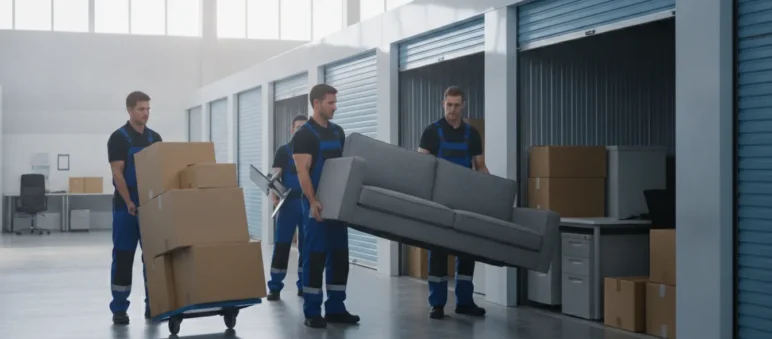
An office move rarely ends when the last desk leaves the old building. Business records, surplus furniture, equipment, and supplies may still need a secure place while your new space is prepared, downsized, or reorganized.
The best office storage solutions delaware businesses use combine a clear inventory, an access plan, and storage matched to the materials being held. Delaware Moving & Storage provides commercial storage for business records and specialized office equipment, with options that can support temporary transitions or longer-term needs. Its facilities include more than 40,000 square feet of storage, Class A ratings, 24-hour central alarm systems, and climate or containerized storage options. Explore this complete guide to moving and storage in Delaware for broader planning considerations.
Good storage planning starts by separating what your team must access immediately from what can remain packed until the move is complete. That simple distinction helps determine how to label, protect, stage, and retrieve each category of office item without disrupting daily operations.
Request your free estimate for a firm price on your office storage and moving plan.
What office items go into storage during a commercial move?
Businesses often place more than extra furniture in storage during a commercial move. The right plan can protect day-to-day operations while creating room for construction, downsizing, expansion, or a phased transition. The items most commonly stored fall into four groups: records and files, office furniture, specialized equipment, and supplies.
Business records and files
Paper records may include client files, accounting documents, personnel records, contracts, archived correspondence, and other materials that are not needed at a new location immediately. Before packing, assign responsibility for deciding what must remain accessible, what can be stored temporarily, and what is ready for secure disposal. A clear inventory and labeling system makes it easier to retrieve a box without searching through the entire collection.
Digital equipment can also require temporary storage. Businesses may store backup drives, servers, monitors, and other technology when a new office is not ready for every workstation. Sensitive equipment and records should be packed, identified, and handled according to the company’s access and security procedures.
Furniture and organizational systems
Desks, conference tables, chairs, reception furniture, bookcases, shelving, filing cabinets, and modular workstations are all common storage items. A company may retain these pieces while determining the final office layout, or store surplus furniture during a renovation or consolidation. Grouping components by room or workstation helps crews set up the new space efficiently.
Organizational systems, including drawers, shelving, cabinets, and bookcases, can be particularly useful when a business is redesigning its workspace. Custom organizational design may also help maximize available space and improve efficiency during an office move.
Specialized equipment and supplies
Some offices need storage for specialized equipment that is expensive, bulky, seasonal, or used only for certain projects. Examples can include medical or laboratory equipment, manufacturing support equipment, trade-show materials, printers, and training-room technology. Office supplies such as paper, files, toner, break-room inventory, packing materials, and promotional materials may also be stored until the new location is operational.
For businesses comparing office storage solutions Delaware, a secure business storage warehouse can provide room for furniture, business records, equipment, and supplies in one coordinated plan. Discuss the item types, access needs, and expected storage period in advance so the storage arrangement supports the move rather than creating another logistical problem.

How to Secure Business Records During a Facility Transition
Business records deserve their own moving plan. Before a facility transition begins, assign one person to oversee records, confirm who needs access, and create a simple inventory of what will move. What will remain available on-site, and what can be securely destroyed according to your retention policy. The Small Business Administration describes records management as a system for controlling documents and establishing who does what, when, and how. The SBA records management standard provides a useful starting point for building that process.
Classify records before packing
Do not treat every box of paper as equally important. Separate records into temporary, permanent, and non-record materials before they leave the office.
- Temporary records: These are retained for a limited period to meet audit, legal, administrative, or operational needs. The National Archives recommends keeping them only as long as the applicable business or legal requirement calls for.
- Permanent records: These document important decisions, actions, events, organizations, or policies and have enduring historical or informational value. They require a longer-term retention plan and more careful protection.
- Non-record materials: Duplicate copies, outdated drafts, and routine reference materials may not need the same storage treatment. Confirm with your records owner before discarding anything that could support a legal, financial, or operational need.
These distinctions come from the National Archives’ guidance on temporary, permanent, and non-record materials. When the classification is unclear, pause and ask the person responsible for compliance, finance, human resources, or legal records rather than making a guess.
Pack and label for controlled access
Use sturdy cartons, consistent box numbers, and a written index. Label each box with its department, record category, date range, retention status, and access level. Avoid placing confidential details on the outside of a box. Instead, use an internal code that authorized staff can match to the inventory. Keep the index in a restricted digital location and maintain a check-in and check-out process for any box retrieved during the transition.
For sensitive files, consider sealed containers or locked cabinets and limit handling to the moving team members assigned to the project. A documented chain of custody helps identify who packed, transported, received, and accessed the records.
Choose storage that matches the records
Once records are classified and packed, select a facility that supports the required retention period and environmental conditions. Delaware Moving & Storage offers a secure warehouse exceeding 40,000 square feet. With a 24-hour central alarm system and climate or containerized storage options for business records and specialized office equipment. These capabilities can support a controlled transition while your new facility is prepared.
For more planning guidance, review this complete guide to moving and storage in Delaware. The right office storage solutions delaware businesses rely on should protect access, organization, and accountability, not simply provide a place to stack boxes.
Request your free estimate to schedule a physical or virtual review of your inventory and storage needs.
Short-Term vs Long-Term Office Storage Solutions for Delaware Businesses
The right storage term depends on what your business is trying to accomplish. Short-term storage supports a defined transition, such as an office renovation, lease overlap, or phased relocation. Long-term storage is better for records, equipment, furniture, or supplies that your company needs to retain but does not need in the active workspace. A clear plan helps control costs, schedule access, and keep inventory organized.
For businesses comparing office storage solutions delaware, Delaware Moving & Storage offers specialized storage in a 40,000-square-foot secure warehouse. Climate-controlled and containerized options can help accommodate different types of business property and storage timelines. The company has operated as a family-owned local relocation partner for 42 years, giving Delaware businesses an experienced resource for both temporary and extended storage needs.
| Consideration | Short-term storage | Long-term storage |
|---|---|---|
| Typical time frame | Several days to several months | Several months to multiple years |
| Best use | Renovations, lease transitions, staging, or a phased office move | Archived records, surplus furniture, seasonal equipment, or excess inventory |
| Cost profile | Often reflects a shorter commitment, though handling and access needs affect the total | May offer more predictable planning over time; compare space, handling, and access fees |
| Access frequency | More frequent access may be necessary while teams transition between locations | Usually infrequent access, with retrievals planned around business needs |
| Inventory management | Use labeled zones and a move checklist to track items entering the new office | Maintain a detailed inventory, retention schedule, and retrieval instructions |
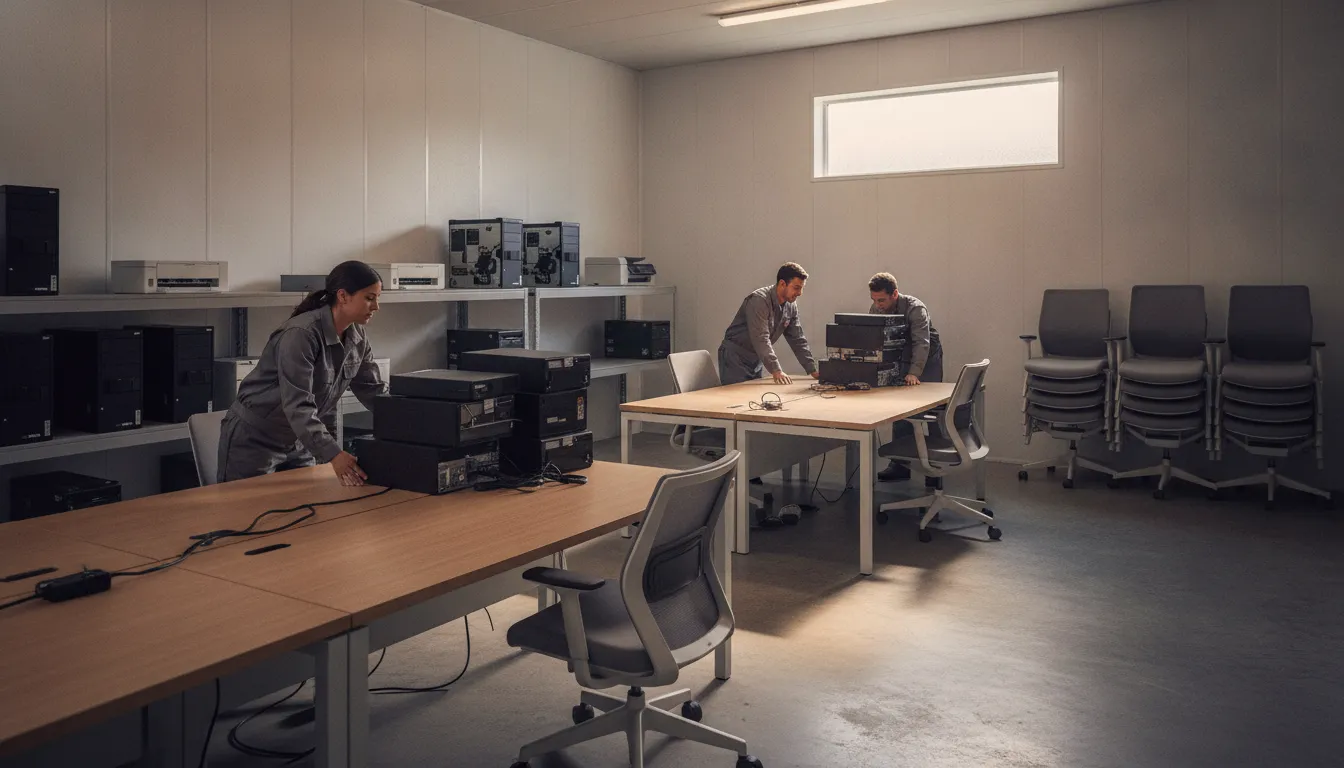
Before choosing a facility, estimate how often employees will need specific items and whether they require particular environmental conditions. Ask how property is labeled, documented, protected, and retrieved. Businesses should also separate items that are waiting for a near-term move from records or equipment with no immediate use. For a practical look at storage unit cost in Delaware, consider the amount of space, storage duration, handling requirements, and access schedule rather than comparing a monthly rate alone.
A physical or virtual review of the inventory can make the estimate more accurate. It also gives the moving team enough information to recommend a storage arrangement that fits the transition instead of paying for space or access your business does not need.
How to Coordinate Office Storage With Your Commercial Move Timeline
Storage works best when it is planned as part of the move, not added after the schedule is set. A coordinated plan keeps essential equipment available, protects records, and gives your team a clear path from the current office to the next one. For businesses comparing office storage solutions delaware, the following sequence helps connect inventory, transportation, storage, and delivery decisions.
- Audit and inventory everything that may move. Walk through each department and identify furniture, technology, files, supplies, fixtures, and specialized equipment. Mark each item for immediate delivery, temporary storage, long-term storage, donation, recycling, or disposal. Keep an itemized record with department ownership and any access requirements. This prevents a frequently needed file cabinet or piece of equipment from being placed in storage by mistake.
- Estimate your storage needs before requesting a schedule. Use the inventory to estimate volume, handling requirements, and the amount of time each category will remain off-site. Separate items that need regular access from those that can stay packed. Businesses may need temporary or long-term secure storage for records and specialized equipment during an office relocation. A physical or virtual survey can help create a more accurate estimate than relying on a rough count of boxes.
- Schedule the move around your operating calendar. Set the storage pickup, office pack-out, transportation, and new-office delivery dates in one timeline. Build in time for building access, elevator reservations, technology disconnects, and final cleaning. Share the sequence with employees, property managers, and the moving team. Delaware Moving & Storage provides office relocation and business moving support that can incorporate secure storage into the transition. For additional planning considerations, review these tips for a successful office move.
- Coordinate delivery of stored items by priority. Decide which items must arrive on the first day, which can follow after the space is organized, and which should remain stored. Give the mover a written delivery priority list and confirm where each category belongs in the new office. This reduces rehandling and helps your team resume work without searching through every container.
- Plan short-term and long-term placement separately. Revisit the inventory after the move. Short-term items may return once construction, furniture installation, or office setup is complete. Long-term items should have a documented owner, review date, and access process. Keeping those decisions separate makes the transition smoother and prevents temporary storage from becoming an unplanned permanent arrangement.
Request your free estimate for a coordinated storage plan designed around your move timeline.
Frequently Asked Questions
How do I choose the right storage facility for my business in Delaware?
Start by matching the facility to your inventory and timeline. Ask how records and equipment are protected, whether climate-controlled or containerized options are available, how access is scheduled, and how the provider handles pickup, delivery, and inventory coordination. Request a written estimate based on a physical or virtual survey so the scope and pricing are clear before the move begins.
What should I look for in commercial office storage?
Look for secure warehouse space, organized handling procedures, and storage conditions appropriate for your contents. Your provider should be able to accommodate business records, office furniture, supplies, and specialized equipment while coordinating storage with the relocation schedule. It should also explain access procedures, packing expectations, insurance or valuation options, and any fees in straightforward terms.
Is climate-controlled storage necessary for office equipment?
It depends on the equipment and how long it will be stored. Electronics, sensitive materials, paper records, and furnishings may benefit from a stable environment, particularly during extended storage or seasonal temperature changes. Ask whether the facility offers climate-controlled or containerized storage, and confirm which option fits your inventory rather than paying for conditions your items do not require.
Can business records stay in storage during an office transition?
Yes, but storage should support a clear records-management plan. Separate records that must be retained for legal, audit. Or operational reasons from files that are no longer needed, and label boxes by department, date range, and access priority. Keep an inventory and define who can request retrievals, so temporary storage does not make important records difficult to locate.
Get started with a coordinated office storage plan
A clear storage plan can help keep business records and equipment organized while your Delaware office move is underway. Delaware Moving & Storage can review your timeline, storage needs, and move details so you can choose an approach that fits the transition. Request your free estimate from the team to get started.