
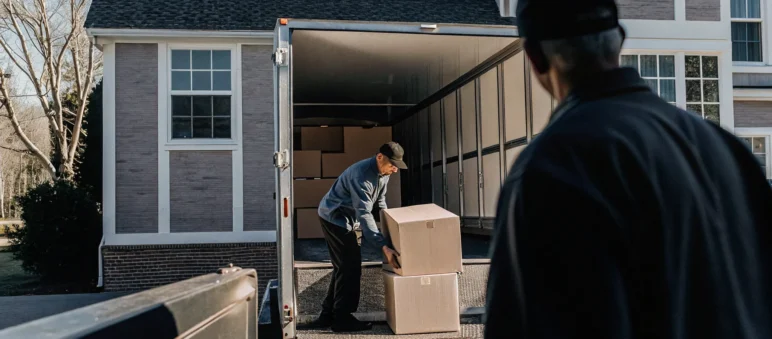
Moving day feels more manageable when you know what will happen next. With a professional Delaware mover, the process typically begins the night before with a few practical preparations. Continues with a crew walkthrough and careful protection of your home and furniture, and ends with a final inspection before you sign off.
Knowing what to expect on moving day delaware means preparing an essentials bag, clearing pathways. Reviewing your moving documents, staying available while the crew works, and completing a careful walkthrough before the truck leaves.
Delaware Moving & Storage uses physical or virtual surveys to help avoid blind estimates, while its trained crew brings structure to the day. If you are comparing expert residential movers in the Wilmington area, understanding each stage can help you ask better questions and feel confident about the handoff. Start with the preparation that makes the morning easier.
Get your free in-home estimate today
What to Expect on Moving Day in Delaware: The Night Before
A calmer moving day usually begins the evening before. The goal is not to make every room look perfect. It is to finish the details that help your crew work safely, find what they need, and keep your first night in the new home manageable.
- Finish final packing. Close the remaining boxes, label them by room, and set aside anything that will travel with you rather than on the moving truck. Do not pack documents, medications, or other items you may need overnight.
- Prepare an essentials bag. Pack identification and important documents, phone and laptop chargers, toiletries, a change of clothes, medicines, basic snacks, and anything needed for children or pets. Keep this bag in your vehicle or another clearly marked area.
- Clear pathways and walkways. Move loose rugs, toys, planters, small furniture, and other obstacles from hallways, stairs, driveways, and sidewalks. Clear access lets the crew move efficiently and safely, especially in a busy home or narrow Delaware townhouse.
- Protect what is not moving. Set aside house keys, remotes, valuables, and items staying behind. If a room, closet, or cabinet is not part of the move, mark it clearly so there is no confusion.
- Confirm the moving details. Review the arrival window, pickup address, destination address, parking or building requirements, and any special handling notes. If you still need to plan your timeline, review how far in advance to book movers.
What should you keep with you overnight?
Keep your essentials bag within reach from the moment the crew arrives until you are settled. A simple rule is to carry anything that would be difficult or stressful to replace quickly: documents, chargers, toiletries, medicines, and a few first-night necessities.
Reliable planning reduces the number of decisions you must make under pressure. When final packing, access routes, and moving details are handled in advance, moving day can follow a clear sequence instead of feeling like a scramble. Delaware Moving & Storage uses physical or virtual surveys to prepare accurate estimates rather than relying on blind pricing. Which gives you a clearer plan before the truck arrives.
Night-before answer: Finish packing, gather your personal essentials, clear safe access for the crew, and confirm the schedule. Those few steps create a more organized start and leave you ready to focus on the move itself.
What Happens in the First Hour When Your Moving Crew Arrives?
The first hour is about confirming the plan, not rushing boxes to the truck. A professional crew should introduce themselves, review the home with you, and make sure everyone understands what is being moved and what requires extra care.
Request your free moving estimate now
1. Start with a complete walk-through
Walk through every room with the crew lead before loading begins. Point out the items included in the move, anything that is staying behind. And belongings that need special handling, such as antiques, artwork, large appliances, fragile pieces, or furniture that must be disassembled. This walk-through helps the crew identify all items to be transported and document special handling needs.
It is also your opportunity to ask questions about access, protection, and the order of the work. Delaware Moving & Storage emphasizes thorough walkthroughs and careful protection as part of a well-managed moving day. If you are still deciding between hiring professional movers and handling the move yourself, this level of planning is an important difference to consider.
2. Review the inventory and moving documents
Before the first item is loaded, read the estimate, inventory, bill of lading, and any other completed documents. Check that the addresses, services, item descriptions, and special instructions are accurate. The Federal Motor Carrier Safety Administration advises consumers to carefully read these documents before signing them. And to accompany the movers during inventory so questions about an item’s condition can be resolved immediately. FMCSA’s moving checklist provides the same guidance.
The bill of lading deserves particular attention. It is the legal contract between you and the mover, as well as a receipt for the belongings being transported. Keep your copy accessible throughout the move instead of packing it in a box.
| Document | Purpose on moving day |
|---|---|
| Estimate | Lists the agreed services and charges in writing |
| Inventory | Records the condition of each item and place to note damage |
| Bill of lading | The legal contract and receipt for your belongings |
- Walk with the crew during the inventory process.
- Ask for clarification before signing anything you do not understand.
- Confirm that special handling notes are written down, not only discussed verbally.
- Keep a copy of the signed documents with your personal moving-day essentials.
3. Confirm safety and registration
For an interstate move, verify that the mover has a U.S. DOT number and is registered with the FMCSA. The agency recommends checking registration information and avoiding movers that do not display a U.S. DOT number in their advertising. This simple check adds an important layer of confidence before your belongings leave the house.
You should also know who is entering your home. Delaware Moving & Storage uses vetted, trained, and uniformed crews to support the safety and security of your residence and belongings. Once the walk-through and paperwork are complete, stay available to answer questions and give directions as loading gets underway.
Quick question: What should I do when movers arrive?
Answer: Be present for the walk-through, identify every item being moved, point out special handling needs, review the estimate and inventory, and read the bill of lading before signing. Then remain available while the crew begins loading.
How Do Professional Movers Protect Your Furniture and Floors?
One of the most reassuring parts of moving day is seeing the crew prepare your home before furniture starts moving through it. Careful packing and furniture protection are not afterthoughts. They are central to a successful moving day because they help protect the belongings you value and reduce the stress of watching large. Heavy items pass through your home.
Furniture protection starts before the first item leaves the room
Professional movers use specialized padding and wrapping materials to protect furniture items. The crew can assess each piece, identify areas that need extra care, and choose protection suited to its shape, finish, and size. Upholstered pieces, wood furniture, glass elements, and pieces with corners or delicate surfaces should not all be treated exactly alike.
- Pad larger furniture. Protective moving pads help cushion surfaces and edges as items are carried and positioned.
- Wrap vulnerable surfaces. Wrapping materials help guard against scuffs, dust, and contact during handling.
- Protect loose or delicate parts. Drawers, doors, shelves, and removable pieces should be secured or handled separately when appropriate.
- Plan the route. Before lifting, the crew should consider doorways, stair turns, railings, and tight corners so the move is controlled rather than rushed.
Floor and woodwork protection keeps the home manageable
Ask the crew to establish a clean, clear path from each room to the truck. Floor protection can be especially helpful near entryways, on hardwood, and in areas where repeated trips are expected. The crew should also take care around baseboards, door frames, banisters, and painted trim. Keeping doors open where safe, removing small obstacles, and securing rugs or loose mats can make the route safer for both people and property.
Homeowners can support the process by keeping pets and children away from active pathways and pointing out surfaces or furnishings that need special attention. A short conversation before loading helps everyone share the same expectations. For more preparation ideas, review these tips for a smooth move.
What should you expect? A professional crew should explain its protection plan, work methodically, and give you a chance to identify concerns before loading begins. That visible care lets you focus on decisions and communication instead of worrying about every doorway, floor, and piece of furniture.
What Should You Do While Your Movers Are Loading Your Truck?
Once loading begins, your main job is to stay available without getting in the crew’s way. A calm point of contact helps the team work efficiently and gives you a chance to catch questions before they become problems. You do not need to carry furniture or direct every movement, but you should remain on site until the crew has finished loading.
Stay present and communicate clearly
Be available to answer questions about what is moving, what is staying, and which items need special attention. If a box contains fragile belongings, point it out. Tell the crew about heavy pieces, antiques, electronics, exercise equipment, or anything that needs disassembly or extra protection. Clear information is especially helpful when an item looks ordinary but has a delicate finish or an unusual handling requirement.
- Keep a short list of items that need special handling and review it with the crew.
- Identify boxes or belongings that should travel with you instead of going on the truck.
- Answer questions about access, rooms, stairs, parking, and belongings that are not included in the move.
- Stay until loading is complete so you can address questions as they arise.
The Federal Motor Carrier Safety Administration recommends accompanying movers during the inventory process and resolving questions about the condition of items before they leave. Its moving checklist also advises customers to remain present, answer questions, and give directions throughout the loading process.
Give the driver useful directions
Before the truck leaves, confirm the best route and access instructions for the new location. Share the complete address, any building or community entrance information, and details that could affect arrival. Such as a narrow street, limited parking, a gate, a loading area, or stairs. If the destination is in a condominium or apartment community, make sure the driver knows where the truck should meet you.
Clear directions to the new home can help avoid preventable delays. Keep your phone nearby during transit in case the driver needs clarification, and make sure the driver has the right contact information for delivery day.
Confirm that you are working with a legitimate mover
Moving day is not the time to overlook basic consumer protections. Before hiring a mover, check that the company displays a U.S. DOT number and is properly registered with the Federal Motor Carrier Safety Administration. The FMCSA specifically advises consumers to avoid movers or brokers that do not show a U.S. DOT number in their advertising. If the number is missing or the company details do not match your paperwork, pause and ask questions before loading continues.
With your presence, directions, and special-handling notes clearly communicated, the crew can focus on loading carefully while you keep control of the details that matter most.
What Should You Check in the Final Walkthrough Before Delivery?
Before the truck leaves your old home, take one last walkthrough with the crew. Check closets, cabinets, attics, basements, garages, sheds, and outdoor areas to make sure nothing is overlooked. This simple pause can prevent the frustration of discovering a forgotten box or valuable item after the van is already on the road. The Federal Motor Carrier Safety Administration recommends completing this final look before the moving van departs.
- Walk every room, closet, attic, basement, garage, and outdoor space before the truck leaves.
- Supervise the unloading at your new home and direct items room by room.
- Note any damaged or missing items on the inventory before you sign the delivery paperwork.
Complete the delivery inventory before signing
At your new home, stay involved while the crew unloads. Direct the movers to the rooms where furniture and boxes belong, and supervise unpacking as needed. If a box or item is damaged or missing, record it on the inventory list before signing delivery documents. Be specific about what you see, and do not rely on memory after the crew has left.
The inventory and bill of lading are important records. FMCSA describes the bill of lading as both the contract with your mover and the receipt for your belongings. Keep it in a safe place until everything has been delivered, the charges have been paid, and any claims have been settled. You can review the agency’s moving checklist for additional consumer-protection guidance.
Confirm payment and estimate terms
Before unloading begins, pay the driver according to the terms of your written binding or non-binding estimate. Read the estimate carefully so you understand what the agreed amount covers and whether any approved changes affect the final balance. Delaware Moving & Storage uses physical or virtual surveys to prepare accurate estimates rather than relying on blind pricing. That survey-based process gives you a clearer basis for planning and helps reduce surprises on moving day.
If you are still comparing options, you can understand moving costs and the factors that influence a local move before requesting service.
Q-and-A: What should I do before the move is complete?
Q: Should I supervise unloading?
A: Yes. Be present, answer questions, give room-by-room directions, and check items as they come off the truck.
Q: When should I report damage or missing belongings?
A: Note every damaged or missing item on the inventory before signing the delivery paperwork. Keep your bill of lading until any claim is resolved.
Q: How can I get a clearer moving price?
A: Request a free physical or virtual survey so the estimate reflects your actual belongings and move details. Request a free estimate from Delaware Moving & Storage before your moving date.
Request your free in-home estimate today
Frequently Asked Questions
What should I do the night before my move?
Finish packing items that are traveling with the crew, set aside an essentials bag, and clear hallways, stairs, driveways, and walkways. Keep documents, chargers, toiletries, medications, and other first-day necessities with you rather than loading them onto the truck.
What happens when the moving crew arrives?
The crew typically begins with a walkthrough to confirm what is being moved and identify items that need special handling. Review the estimate and inventory with the team, ask questions, and make sure you understand the paperwork before anything is loaded. The Federal Motor Carrier Safety Administration recommends reading the estimate, bill of lading, and inventory before signing them: FMCSA moving checklist.
How can I protect my furniture and floors on moving day?
Professional movers use specialized padding and wrapping materials for furniture, while clear pathways help the crew work safely and efficiently. Remove small objects from traffic areas, secure pets and children away from active work zones, and point out fragile, oversized, or recently repaired items during the arrival walkthrough.
What should I check before the moving truck leaves?
Walk through every room, closet, attic, basement, garage, and outdoor storage area to confirm nothing was left behind. Stay present while loading, answer questions, and resolve inventory concerns before signing. FMCSA also advises documenting damaged or missing items on the inventory before signing delivery paperwork: official moving checklist.
Ready to plan a smoother moving day?
A clear plan and an accurate estimate can help you feel prepared when moving day arrives. Request your free, no-pressure in-home estimate before moving day, so your move can be discussed around your home, belongings, and timing. To get started, request your free in-home estimate from Delaware Moving & Storage.