
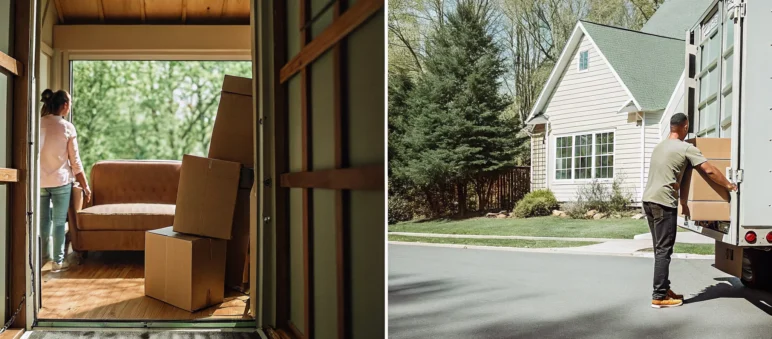
A low advertised truck-rental rate can look attractive, but the final decision should account for fuel, equipment, time, property access, lifting, and the value of your belongings. For many Delaware households, comparing the complete moving plan reveals whether DIY savings are worth the added responsibility.
Get a free moving estimate from Delaware Moving & Storage to compare a detailed professional plan with your true DIY cost.
Should I hire movers or rent a truck in Delaware?
Renting a truck is usually the lowest-cost choice for a small, simple local move when you have capable helpers, flexible time, and easy access at both homes. Hiring movers is often the better value for larger homes, stairs, long carries, heavy furniture, tight deadlines, or anyone who wants to avoid driving and lifting. Compare the complete DIY total with a survey-based mover estimate, not just the rental company’s advertised daily rate.
The right choice is not automatically the cheapest quote. It is the option that fits your budget, schedule, physical capacity, belongings, and tolerance for risk. A short move from a ground-floor apartment may be practical with a rental truck. A three-bedroom home with narrow stairs, limited parking, and a firm closing date presents a very different calculation.
Start by listing every task: packing, disassembly, loading, driving, unloading, reassembly, cleanup, and returning the truck. Then assign a realistic cost and amount of time to each task. This method keeps the comparison logical and prevents a low headline rate from deciding the entire move.
What is the true cost of renting a moving truck?
A rental quote generally covers the vehicle for a set period. It may not include mileage, fuel, tolls, equipment, supplies, additional drivers, coverage, taxes, or late fees. Local rates also change with truck size, day of the week, season, and availability. A rental that appears inexpensive on a weekday can cost much more at the end of a busy summer weekend.
Build a complete DIY budget
Write down the base rental rate first, then add every expected charge. Estimate mileage from the pickup location to your current home, the new home, and the return location. Include extra trips if the truck may be too small for one load. Use the vehicle’s estimated fuel economy rather than your car’s fuel use, because a loaded moving truck consumes considerably more fuel.
Next, price the equipment needed to protect people, belongings, and both properties. Common items include a hand truck, appliance dolly, furniture pads, straps, floor protection, boxes, tape, and stretch wrap. If a building requires reserved parking or a permit, include that too. Food for helpers and a backup plan for a helper who cancels are small but relevant costs.
Coverage deserves careful review. Rental-truck protection, cargo protection, and your personal auto or homeowners policies are different products with different exclusions. Read the terms rather than assuming every collision or damaged item is covered. If you are uncertain, ask the rental company and your insurer specific questions before moving day.
Put a value on your time
A DIY move involves more than the hours spent driving. You must collect the truck, inspect it, load it, unload it, refuel it, and return it on schedule. Packing and furniture disassembly may take several evenings. If the move requires unpaid leave, child care, pet care, or an extra rental day, those costs belong in the comparison.
Be conservative when estimating duration. Loading a truck efficiently is a skill, and an inexperienced group may need to rearrange items or make a second trip. Bad weather, elevator delays, traffic, and limited parking can extend the day. A late return can turn a modest rental into a much larger bill.
Consider damage and physical strain
Moving involves repeated lifting, carrying, pushing, and navigating awkward spaces. Heavy furniture on stairs can injure helpers or damage walls, floors, and railings. A DIY plan should account for the abilities of everyone involved, not simply the number of people who volunteered. People with existing back, joint, balance, or heart concerns should avoid tasks beyond their safe limits.
Damage is also more likely when a truck is packed without enough pads or when furniture is not secured properly. A broken television, scratched floor, or damaged rental vehicle can erase expected savings. These outcomes are not certain, but their likelihood and potential cost should be part of a responsible decision.
| Cost factor | DIY truck rental | Professional moving |
|---|---|---|
| Vehicle and transportation | Base rate plus possible mileage, fuel, tolls, and taxes | Defined in the mover estimate |
| Labor | You organize helpers and do the loading | Trained crew included |
| Equipment | Usually rented or purchased separately | Moving equipment and basic protection included as specified |
| Time | Pickup, loading, driving, unloading, and return are your responsibility | Crew manages transportation and moving labor |
| Belonging protection | Depends on rental and personal policy terms | Valuation options explained in the estimate |
| Best fit | Small, simple, flexible moves | Larger, complex, or time-sensitive moves |
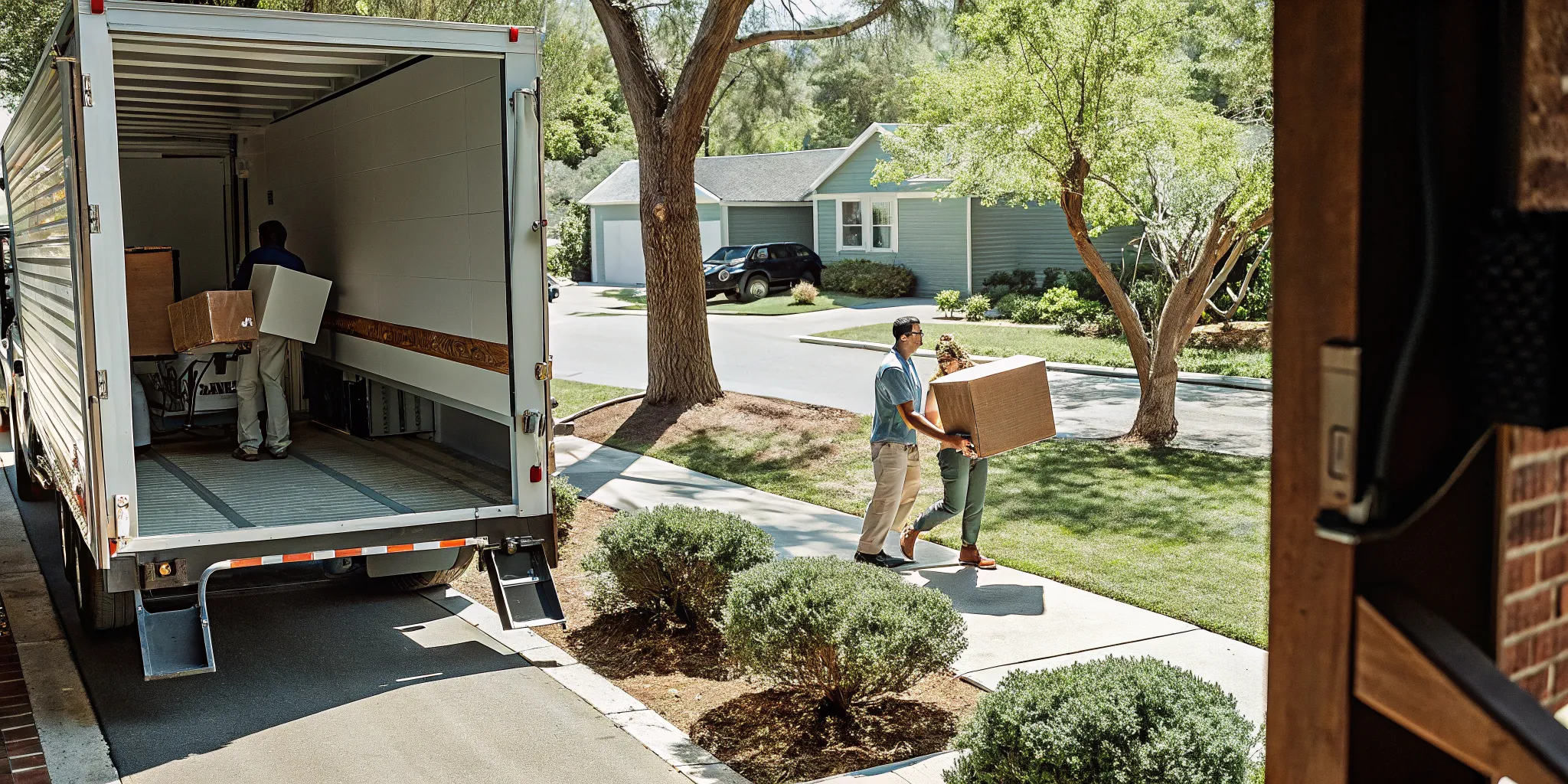
What does a professional local moving estimate include?
A professional estimate should explain the work, not hide it behind one number. Delaware Moving & Storage uses a physical or virtual survey to understand the inventory, access conditions, and services required. This no-blind-estimates approach helps the crew plan the correct truck, staffing, equipment, and time.
During a survey, mention every area that contains belongings, including the garage, attic, basement, shed, and storage unit. Identify unusually heavy, fragile, or valuable items. Explain whether either property has stairs, elevators, loading restrictions, narrow roads, steep driveways, or a long distance between the door and truck. Accurate information produces a more useful estimate.
Labor, equipment, and planning
Professional local moving services combine the truck with trained labor and moving equipment. Crews know how to pad furniture, protect floors, use dollies and straps, load in a stable sequence, and navigate difficult spaces. They also coordinate the many small decisions that can slow an unplanned DIY move.
Professional help does not mean surrendering control. You still choose the services that fit the move. Some households pack everything themselves and hire a crew only for transportation and loading. Others add packing support because time is limited. Ask what is included and what would create an additional charge.
Review the factors that affect moving costs, then request a survey-based estimate to compare both options on equal terms.
Valuation and accountability
Ask the mover to explain available valuation protection, limitations, and the process for reporting damage. Valuation is not the same as insurance, so clear questions matter. Review the inventory and documents before the move, and keep important records accessible rather than packing them in the truck.
Professional movers also provide one accountable team for the moving work. With a DIY plan, responsibility is divided among the renter, helpers, rental provider, and possibly several insurance policies. Some people are comfortable managing that arrangement. Others value having a coordinated crew and a defined plan.
How should you compare a truck rental with a mover quote?
Create two side-by-side totals using the same inventory, route, date, and service assumptions. Do not compare a one-day truck price with a professional plan that includes labor, equipment, and transportation. Likewise, do not assume every mover quote includes packing or every possible access charge. Read both offers carefully.
- Confirm the inventory. List furniture, estimated boxes, appliances, outdoor items, and specialty pieces. Both options must cover the same belongings.
- Map the route and access. Note total miles, stairs, elevator reservations, long carries, parking limits, and any required permits.
- Total every DIY expense. Include the vehicle, mileage, fuel, tolls, coverage, equipment, supplies, helper costs, and realistic time.
- Request a detailed mover estimate. Use a home or virtual survey and ask which services, valuation choices, and possible extra charges are included.
- Compare risk and convenience. Decide how much you value schedule reliability, professional handling, reduced physical strain, and not driving a large truck.
Use a realistic sample comparison
Imagine a family moving a two-bedroom home from Wilmington to Newark. The rental option begins with the advertised vehicle rate, but the worksheet must also include mileage, fuel, coverage, pads, a dolly, packing supplies, and the possibility of an extra rental day. The family should estimate the time needed to pick up and return the truck, load at the old home, drive, and unload at the new one. If helpers are available only briefly, the family may need paid assistance or a second day.
For the professional option, the family should request a survey based on the same furniture, boxes, route, stairs, parking, and preferred date. The estimate should show the planned crew, transportation, equipment, valuation choices, and any services the family requested. Comparing these two complete totals reveals the actual price difference. The family can then decide whether doing the lifting and driving is worth that amount. This example does not assume one option always wins; it makes the decision specific, measurable, and easier to defend.
If mover terminology or estimate types are unfamiliar, review practical guidance for hiring a moving company. Ask questions until you can explain each line of the estimate. A trustworthy comparison depends on understanding what you are buying.
When does renting a truck make sense?
A rental truck can be a sensible choice when the move is small, short, and flexible. It works best when both homes have easy access, belongings are manageable, and enough capable helpers are firmly committed. A studio or lightly furnished one-bedroom move across town is a stronger DIY candidate than a full household move.
DIY can also suit people who have experience driving larger vehicles and loading furniture safely. You should feel comfortable with the truck’s height, turning radius, braking distance, and parking requirements. Check the route for low clearances, narrow streets, and difficult entrances before departure.
Choose this option only after building a backup plan. Decide what you will do if a helper cancels, the move runs late, rain begins, or an item will not fit through a doorway. Reserve the correct truck size and equipment, and leave enough time to avoid rushed lifting or driving.
When is hiring movers worth it?
Hiring movers is often worth the cost when complexity, schedule pressure, or physical demands are high. Multi-bedroom homes, stairs, elevators, long carries, limited truck access, specialty items, and tight closing dates all increase the value of an experienced crew. Professional help is also appropriate when friends or family cannot safely perform repeated lifting.
A local team brings useful knowledge of communities such as Wilmington, Newark, Hockessin, Bear, and New Castle. Familiarity with area roads and common access challenges supports better planning, though every property still needs individual review. For a larger move, the time saved can allow you to focus on closing, family, utilities, work, and settling into the new home.
The decision may also depend on what you are moving. Large appliances, solid-wood furniture, antiques, pianos, safes, or delicate pieces require more planning than ordinary boxes. Discuss specialty items during the survey so the mover can confirm the correct method and equipment.
Hiring a professional crew is not automatically the right choice for every budget. However, the advantages of hiring movers become more significant as the move grows. When a DIY plan requires several rental days, many helpers, and considerable risk, the price difference may be smaller than it first appeared.
Contact Delaware Moving & Storage for a clear estimate and compare it with your complete rental-truck budget before deciding.
What is the best choice for your Delaware move?
Rent a truck if you have a small local move, easy access, reliable helpers, safe lifting ability, enough time, and a complete budget that still shows meaningful savings. Hire movers if the household is larger, the schedule is firm, access is difficult, items need specialized handling, or you want trained help with loading, transportation, and protection.
For the fairest answer, calculate both options in writing. The DIY column should include every charge and task. The professional column should come from a detailed survey and explain included services. Then consider not only dollars, but also time, physical demands, property risk, and the consequences of delays. The result will show which option offers the best value for your specific move.
Frequently asked questions
Is it cheaper to hire movers or rent a truck in Delaware?
Renting a truck usually has the lower cash price for a small local move, but only after you add mileage, fuel, coverage, equipment, supplies, and the value of your time can you make a fair comparison. For larger or complicated moves, a professional estimate may deliver better total value.
What extra costs should I include in a DIY truck budget?
Include the truck rate, mileage, fuel, tolls, rental coverage, a dolly, pads, straps, boxes, tape, parking permits, food for helpers, and possible late-return charges. Also consider lost work time and the financial effect of damage or injury.
When is hiring local movers worth the cost?
Hiring movers is often worth it for multi-bedroom homes, tight schedules, stairs, long carries, limited parking, heavy furniture, specialty items, or households without enough capable helpers. A trained crew can reduce physical strain and coordinate the move more efficiently.
How can I compare mover quotes fairly?
Ask each mover to survey the same inventory and access conditions, then compare the included labor, truck, equipment, travel charges, valuation options, packing services, and possible extra fees. Do not compare a detailed survey-based estimate with an incomplete online price.