
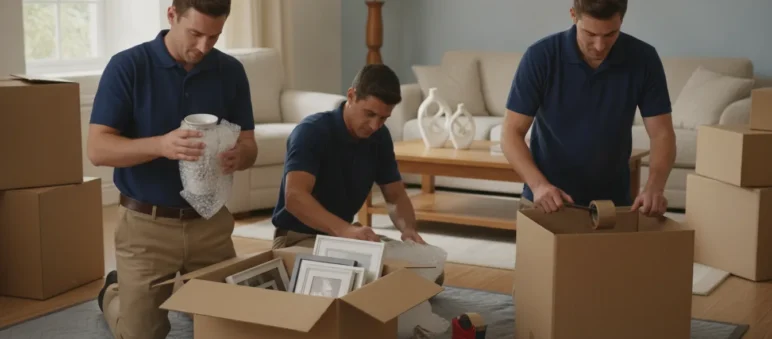
Packing is often the part of a move that takes the most time, attention, and physical effort. A professional crew can sort the work by room, protect fragile belongings with suitable materials, and keep the process organized from the first box to the last.
What are professional packing services in Delaware? They are flexible moving services in which trained packers prepare some or all of your household belongings for transport. Including fragile items, furniture, mirrors, glass, and artwork that need careful cushioning. You can choose full-home packing or focus on a few rooms.
Delaware Moving & Storage has provided family-owned relocation support for more than 42 years, with packing and unpacking options for residential and commercial moves. A physical or virtual survey helps create a detailed estimate without relying on a blind guess. For broader planning, see our complete guide to storage and packing solutions in Delaware.
The right scope starts with a clear question: which belongings should the crew handle, and which should stay with you? That distinction shapes the packing plan, materials, and responsibilities for moving day.
Request a free in-home packing estimate in Delaware to see exactly which of your belongings a professional crew can pack for your move.
What Professional Movers Pack and What They Do Not
Professional packers can prepare most household belongings for transport, while you keep personal, essential, and highly valuable items under your direct control. The exact scope should be agreed upon before moving day.
A crew may pack an entire home, selected rooms, or only fragile belongings. Customers often use professional help for china, glassware, or a few rooms when they do not need full packing service. A full-service moving company can also coordinate packing with loading, transportation, storage, and unpacking.
What professional movers typically pack
- Kitchenware: Plates, cookware, serving pieces, and everyday household goods can be wrapped and placed in appropriate cartons.
- China and glassware: Fragile dishes, stemware, and decorative glass need individual protection and careful placement.
- Electronics: Televisions, computers, and other equipment may be packed when the crew can safely prepare the items for transport.
- Artwork and mirrors: Framed art, mirrors, and other glass items benefit from specialized cushioning and protective packing.
- Wardrobe: Clothing can be transferred into wardrobe cartons or other suitable containers to simplify moving and unpacking.
- General household goods: Books, linens, toys, decor, and other non-hazardous belongings are commonly included in a full or partial packing plan.
- Specialty items: Items that need extra protection should be identified during the estimate so the crew can plan the right materials and handling method.
What you should pack or keep with you
- Personal documents: Keep passports, birth certificates, deeds, financial records, and other important papers in your personal possession.
- Cash, jewelry, and valuables: Separate small valuables and keep them under your control rather than placing them in the moving shipment.
- Medication: Pack prescriptions and frequently needed medication in an essentials bag that travels with you.
- First-night essentials: Set aside clothing, toiletries, chargers, basic tools, important contact information, and items needed immediately after arrival.
- Pets and plants: Arrange separate transportation for pets. Plants may also require special arrangements, depending on the move and destination.
Q&A: What should I let movers pack?
Answer: Let professional movers pack ordinary household goods, fragile kitchenware, electronics, artwork, wardrobe, and specialty items that need protective materials. Keep personal documents, cash, jewelry, medication, pets, plants when required, and your first-night essentials with you.
Before the crew arrives, organize belongings into three groups: items for the movers, items you will pack, and items that will not move. Tell the crew about fragile or unusual possessions, and confirm the packing scope in your moving contract. Federal guidance emphasizes understanding the contract, inventory, and responsibilities before the move. See the FMCSA consumer rights and responsibilities guide for interstate moving guidance.
Full Packing vs. Partial Packing: How to Choose
Full packing and partial packing solve different moving-day problems. Full packing covers the entire home, while partial packing lets you assign only selected rooms or fragile belongings to a professional crew. The right choice depends on your schedule, comfort level, household contents, and the scope stated in your estimate.
Partial packing can be a cost-effective option when you want help with mirrors, glass, artwork, china, or a few rooms that require extra care. Customers may also choose it when they prefer to pack everyday clothing and household basics themselves. Professional packing services in Delaware can then focus the crew’s time where experience and specialized materials provide the most value.
| Consideration | Full packing | Partial packing |
|---|---|---|
| What’s included | Packing throughout the home, including ordinary household goods and designated fragile items. | Selected fragile belongings, rooms, collections, or other items identified in advance. |
| Best for | Households that want one crew to manage the packing process from start to finish. | Households that want targeted help while keeping control of routine packing. |
| Time saved | Saves the most personal time because the crew handles the home’s packing workload. | Saves time in the rooms or categories that are most difficult, delicate, or urgent. |
| Cost | Typically requires a larger packing scope because more rooms and belongings are included. | Can be more cost-effective because the service is limited to selected areas or items. |
| When to choose | Choose it when your schedule is tight or you want a coordinated, full-home service. | Choose it when you can pack some belongings but want professional help with fragile or complex items. |
Match the service to your move
Full packing may fit a large household, a compressed moving schedule, or a customer who wants to reduce the physical and organizational demands of moving. It can also support residential or business relocations when many items must be prepared consistently. Partial packing is often practical for a smaller move, a staged preparation plan, or a home where only certain belongings need professional handling.
Before work begins, identify what the crew will pack and what you will pack. Organize those items separately, and point out special handling needs. For a broader look at the tradeoffs, read this pro vs DIY packing guide.
Confirm the scope before signing
Ask the mover to explain the packing scope in writing. The moving contract should identify the services provided and explain applicable limits of liability. Federal Motor Carrier Safety Administration guidance emphasizes that customers should understand their contract terms and responsibilities before a move. Review the estimate, included rooms or categories, materials, labor, and any items you will pack yourself. A clear scope helps prevent surprises and makes it easier for everyone to follow the same plan.
How Professional Packing Reduces Damage Claims on a Move
Professional packing can reduce breakage by matching each item with appropriate cushioning, materials, and handling methods before it enters the moving truck. It can also make a damage claim easier to document because the mover has a clearer record of what was packed. How it was identified, and what condition it was in before transport.
That distinction matters when comparing professional packing services in Delaware with packing everything yourself. A trained crew can protect fragile items with materials suited to their shape and risk, while a move inventory creates an organized record of the shipment. The Federal Motor Carrier Safety Administration identifies inventory as a required document that helps manage a household-goods move and supports accountability when problems arise: FMCSA consumer guidance.
Why the packing record matters
A professional packing crew should identify packed items and maintain the move inventory as belongings move from the home to the truck. That documentation does not prevent every loss or damage event, and it does not guarantee a particular claim outcome. It does give you and the mover a more useful starting point if an item is missing or damaged.
Owner-packed boxes can be treated differently from items packed by the mover under the shipment’s liability and valuation terms. FMCSA materials discuss Full Value Protection and the alternative released valuation of 60 cents per pound per article. The exact protection available depends on the contract and choices you make, so review those terms before moving day rather than assuming all items have identical coverage.
How does packing affect my claim coverage?
Q: How does packing affect my claim coverage?
A: Items packed by the mover may be handled differently under the shipment’s liability or valuation terms than items packed by the owner. Professional packing can also create a clearer inventory and handling record, which may make a loss or damage claim easier to review. Coverage is controlled by your written contract, so ask the mover which protections apply to owner-packed and mover-packed items before signing.
Keep valuables and personal documents separate, and tell the crew about especially fragile or high-value belongings. For the rest, careful packing, consistent labeling, and a complete inventory help connect the condition of an item before transport with its condition at delivery. Review the contract, inventory, and valuation selection together so your expectations are clear.
What Materials Professional Packers Use That Differ From DIY
Professional packers use purpose-built materials that match the size, weight, shape, and fragility of each item. That approach offers more protection than relying on standard cardboard boxes and household paper alone.
For example, specialized boxes are designed to withstand the stress of transportation, according to moving-industry guidance summarized in the research for this article. Experienced packers also know that china, furniture, mirrors, glass, and artwork need different handling methods, not one universal wrapping technique.
Materials that may be used by professional packers
- Double- and triple-wall corrugated boxes: Stronger construction helps support heavier contents and reduces box collapse when cartons are stacked.
- Dish packs: These reinforced cartons, combined with dividers and cushioning, help separate plates, glasses, and other breakables.
- Wardrobe boxes: Hanging clothing can move directly from a closet to a tall carton, limiting wrinkles and unnecessary folding.
- Mirror, picture, and television boxes: Specialty cartons provide a closer fit for flat, fragile, or irregularly shaped items.
- Bubble wrap, foam padding, and packing paper: Packers select cushioning based on the item’s surface and vulnerability. Paper can fill voids, while foam and bubble wrap help absorb contact and movement.
- Corner protectors and honeycomb cushioning: These materials help shield furniture edges, framed pieces, and other impact-prone surfaces.
- Shrink wrap: Used appropriately, it can keep drawers closed, protect upholstered pieces, and hold protective layers in place.
- Mattress and sofa covers: Durable covers help keep large upholstered items clean during handling and transportation.
- Box trailers with tie-downs: After packing, crews can secure loaded items inside the trailer to limit shifting during the move.
DIY packing often starts with ordinary cardboard, reused cartons, and newsprint. Those supplies can work for some low-risk items, but they may not provide the right strength or cushioning for fragile household goods. Professional packing services in Delaware are especially useful when a household includes mirrors, glass, artwork, china, or bulky furniture that needs specialized protection. The research also supports hiring packers for only the most fragile items or a few rooms when full packing is not necessary.
Q-and-A: Are professional packing materials worth it?
Q: Are professional packing materials worth the added service?
A: They can be, especially for valuable, fragile, unusually shaped, or difficult-to-handle belongings. The benefit is not just the material itself. It also includes choosing the right carton, cushioning the item correctly, and securing it for loading.
Q: Can I use DIY materials for part of my move?
A: Yes. Discuss the division of responsibilities with your mover and identify what you will pack before the crew arrives. Review the contract because it explains the services provided and applicable liability terms. You may also choose professional packing for a few rooms while handling everyday items yourself. Learn more about packing services in Delaware.
Request a free in-home estimate to compare full packing and partial packing and get a firm price for your home.
Cost of Professional Packing Services in Delaware
The cost of professional packing services in Delaware is a factor-driven estimate based on what must be packed. How it must be protected, and how much crew time the work requires. A trustworthy mover should review your belongings before quoting the job rather than relying on a blind estimate.
During a physical or virtual survey, the mover can discuss the scope of work and identify items that need special handling. The estimate should explain whether it is binding or non-binding, what services are included, and how the moving contract addresses the work. Federal guidance distinguishes between these estimate types, so ask questions before signing and keep a copy of the agreed terms.
What factors affect professional packing costs?
Two homes with the same number of bedrooms can require very different packing plans. Common cost factors include:
- Number of rooms: Packing an entire home generally requires more materials and labor than packing a kitchen, bedroom, or selected areas.
- Item count: More boxes, protective materials, labeling, and inventory work increase the scope.
- Fragility: China, glassware, mirrors, and artwork may need additional cushioning and careful preparation.
- Specialty items: Pianos, valuable artwork, antiques, and other awkward or high-value belongings may require specialized planning and handling.
- Service level: Full packing, partial packing, and fragile-only packing each create a different labor plan.
- Move requirements: Long-distance, storage, access conditions, and the order of packing can affect the time and materials needed.
Partial packing can be a practical, cost-effective choice when you want help with only a few rooms or your most fragile belongings. It lets you retain control of routine items while assigning high-risk work to an experienced crew. The scope should be written clearly so everyone knows what the movers will pack and what you will handle.
Q: Can I get a useful packing estimate without committing to full-service packing?
A: Yes. Tell the mover which rooms, categories, or specialty items need attention during the survey. The resulting estimate can be based on that defined scope, whether you need full packing or selected assistance. Request a free in-home estimate so the plan reflects your actual belongings and access conditions.
Q: How can transparent pricing prevent surprises?
A: A transparent estimate connects the recommended service to the work involved. Before the packing date, confirm the rooms included, materials supplied, treatment of specialty items, estimate type, and any limits of liability. This preparation makes the cost easier to plan and gives your family a clear understanding of what the crew will do.
How to Prepare for a Packing Crew Day
A packing crew can work more carefully and efficiently when your home is organized before arrival. A little preparation also makes it clear which belongings the team should handle and which should remain with you.
- Separate valuables and personal documents. Set aside passports, birth certificates, financial records, jewelry, medications, small electronics, and other items you want to keep under your immediate control. Valuables and personal documents should remain separate from household goods during the move.
- Declutter before packing begins. Create clear areas for donations, recycling, and trash. Removing items you no longer want prevents you from paying to pack, move, and unpack them.
- Organize by room and mark what stays. Group belongings by room, then identify items the crew should pack and items that should remain. Use visible notes or signs that say “Pack this” or “Leave.” This gives the team a reliable plan from the start.
- Empty appliances and clean drawers. Remove food, liquids, loose parts, and personal items from refrigerators, freezers, washers, dryers, and other appliances. Clean drawers and cabinets so the crew can pack them safely without unexpected spills.
- Set up a clear workspace. Clear walkways, stairs, counters, and floor space near the rooms being packed. Keep pets and children away from active work areas, and make sure the crew can reach closets, cabinets, and furniture without moving unnecessary obstacles.
- Explain special-handling needs. Tell the crew about artwork, mirrors, glassware, antiques, oversized pieces, heirlooms, or anything with known damage. Specific instructions help the team choose appropriate protection and packing methods for fragile possessions.
- Prepare an overnight essentials kit. Pack clothing, toiletries, chargers, medications, snacks, important documents, basic cleaning supplies, and items needed for the first night. Keep this kit with you rather than placing it in a moving box.
Q: Should I pack anything before the crew arrives?
A: You can, but first confirm the scope of work and tell the crew which items you handled yourself. Many customers use professional help for the entire home, selected rooms, or fragile belongings only. If timing or access creates a gap between homes, ask whether storage solutions in Delaware could help keep packed items secure temporarily.
Q: What if I am unsure whether an item should be packed?
A: Set it aside and ask the crew or estimator before packing starts. Clear communication is especially important for fragile, valuable, unusually shaped, or restricted items. A shared plan helps the crew label boxes accurately and makes unpacking easier at the destination.
Request a free in-home packing estimate in Delaware for a practical plan that matches your actual belongings and rooms.
Frequently Asked Questions
What do professional packers usually pack?
Professional packers can prepare most household belongings, including kitchenware, clothing, books, decor, furniture, and fragile items. They use packing methods suited to each item, with extra cushioning for mirrors, glass, artwork, and delicate china. You can also request partial packing for selected rooms or especially fragile possessions.
What should I pack myself before the crew arrives?
Keep personal documents, jewelry, cash, medications, small electronics, and other high-value or essential items separate. Set aside anything that must travel with you, and clearly identify belongings that should not be packed. Organizing these items in advance helps the crew follow your instructions and keeps important possessions under your immediate control.
Is professional packing worth it for a local Delaware move?
It can be worthwhile when you have limited time, mobility concerns, a large household, or many fragile items. You do not need to choose full packing to receive help. Having a crew pack one or two rooms, artwork, or delicate kitchenware can provide useful support while keeping the scope aligned with your needs.
How is the cost of packing services determined?
Pricing depends on the amount and type of belongings, the rooms included, packing materials, crew time, and whether you choose full or partial packing. Ask for a written estimate that clearly identifies the packing scope and whether the estimate is binding or non-binding. A physical or virtual survey can help produce a more accurate estimate.
Does professional packing affect damage protection?
Ask the mover how packing affects valuation protection and claims procedures before signing the contract. The moving agreement should explain service details, liability limits, and your responsibilities. A documented inventory also helps account for belongings and provides useful records if a loss or damage claim arises.
Ready to Make Packing Easier?
Professional packing services can help you protect your household goods while making moving day more manageable. Delaware Moving & Storage is a family-owned company with more than 42 years of experience helping Delaware households prepare for relocation. Our team can discuss your needs, explain the packing scope, and provide a transparent in-home estimate before work begins. That clear process helps you choose the right level of support, whether you need help with a few fragile rooms or a broader packing plan. You can feel confident that your packing budget is being used thoughtfully, with less worry throughout the move.
Request a free in-home packing estimate in Delaware to talk through your project and get started with a practical plan.