
Packing Tips for Seniors Moving Delaware: A Calm Plan
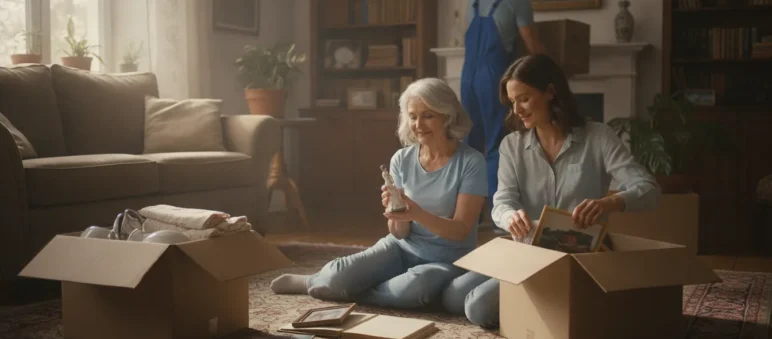
The best packing tips for seniors moving Delaware combine small sorting sessions, clear choices, and practical support. This approach protects energy, keeps essential items accessible, and lets the senior guide decisions about what moves, what is shared, and what needs more time.
Request a free estimate for your Delaware move
Downsizing after years in one home involves more than putting belongings in boxes. Familiar rooms may hold family history, daily routines, and meaningful possessions. A calm plan protects energy, keeps essentials accessible, and gives the senior time to make personal decisions.
Whether the destination is a smaller home, retirement community, or assisted living residence, there is no single correct pace. This guide explains how to sort, pack, coordinate family support, and decide when professional help may make the move easier. For broader planning, see the Storage and Packing Solutions in Delaware guide.
Why Is Senior Downsizing Different From a Standard Move?
Senior downsizing combines physical packing with decisions about space, memories, and daily comfort. A standard move may send most belongings to another home. Downsizing asks which items fit the next home, which should go to family, and which decisions need more time.
Keep the senior in charge of decisions
Family members and movers can add capacity, but they should not label useful possessions as clutter without permission. Ask before sorting. Discuss inherited or valuable items together. If a choice feels difficult, place the item in a clearly labeled decide-later group instead of forcing an answer.
This approach protects trust as well as possessions. The senior should identify what supports daily routines, what carries personal meaning, and what belongs in the new home.
Plan around comfort and safe movement
Measure the new rooms before moving large furniture. Check door widths, walkways, bathroom access, and the places where the senior will sleep, sit, prepare meals, and store medications. A piece that fit comfortably in a larger home may restrict movement in a smaller one.
How Can Packing Tips for Seniors Moving Delaware Make Sorting Easier?
Work room by room rather than trying to empty the home in one weekend. Start months ahead when possible. Choose one drawer, shelf, or small closet for each session, and stop before fatigue makes decisions harder.
Use five simple sorting categories
- Keep: Items needed for daily life, comfort, mobility, or the new home’s layout.
- Share: Meaningful belongings that family members genuinely want.
- Donate: Clean, useful items that no longer fit the next home or lifestyle.
- Recycle or discard: Broken, unsafe, expired, or unusable belongings.
- Decide later: Items that deserve a pause instead of a pressured decision.
Label each category clearly. For heirlooms, record who expressed interest and what was agreed. A short shared list can reduce confusion when several relatives receive furniture, photographs, or keepsakes.
Follow a flexible timeline
- Measure: Confirm room sizes, storage areas, and clear walking paths.
- Sort: Work through one small area and use the five agreed categories.
- Schedule: Arrange donations, family pickups, storage, or packing help as decisions become final.
- Pack: Label approved items by room and separate daily essentials from the shipment.
Three to six months before the move, focus on less-used areas. During the final weeks, pack approved belongings and revisit the decide-later group with a trusted helper. The senior should retain the final say.
For households that want help with materials or difficult rooms, review packing services in Delaware.
Which Rooms Should Seniors Pack First?
Pack according to frequency of use, not room size. Seasonal and duplicate items can go first. Keep the belongings needed for sleep, medication, meals, mobility, and personal care accessible until the move is nearly complete.

Entryway and personal essentials
Pack extra shoes, seasonal coats, decorations, and rarely used accessories first. Keep keys, a wallet, glasses, mobility aids, contact information, and important documents in a personal bag that stays with the senior. Do not place it near boxes that will be loaded.
Bedroom and bathroom
Pack spare linens, out-of-season clothing, extra blankets, and decorative items early. Keep several changes of comfortable clothing available. Save bedding, sleepwear, glasses, hearing-aid supplies, toiletries, and other nightly essentials for the first-night bag.
Prescriptions and other medications should remain with the senior, not in the moving truck. Ask a care team member or pharmacist about special travel instructions when needed.
Kitchen and living areas
Start with holiday dishes, duplicate utensils, specialty appliances, books, media, and decorations. Keep a simple set of dishes, cookware, everyday food, and familiar comfort items available through the final day. Compare large furniture with the new floor plan before packing or moving it.
What Do Packing Tips for Seniors Moving Delaware Recommend for Moving Day?
A moving-day plan should protect access, health, documents, and familiar routines. Prepare one essentials bag or box and keep it with the senior throughout the day.
- Prescription medications and approved daily supplies.
- Identification, insurance cards, keys, and moving documents.
- Glasses, hearing aids, chargers, and mobility devices.
- Water, simple snacks, tissues, and personal care items.
- One change of clothes, comfortable shoes, and sleepwear.
- A phone, charger, emergency contacts, and familiar comfort items.
Ask the crew to place the bed, bathroom supplies, medication area, and basic kitchen items first. Tell the team about stairs, narrow paths, fragile belongings, and mobility concerns. Label boxes on at least two sides and use the same room names at the destination.
What Can Professional Packing Help Do for Seniors?
Professional packing help can take on physically demanding work while the senior remains involved in decisions. Delaware Moving & Storage offers full and partial packing options, so a household can request help for the entire home or for specific rooms and fragile belongings.
| Option | Useful when | Senior remains responsible for |
|---|---|---|
| Self-packing | The household is comfortable handling the physical work. | Sorting, packing, labeling, and protecting essentials. |
| Partial packing | A few rooms, fragile items, or heavy tasks create strain. | Deciding what moves, stays, or needs special care. |
| Full-service packing | The household wants a crew to manage most packing tasks. | Approving priorities and identifying meaningful belongings. |
Ask how the crew will label boxes, protect delicate possessions, and identify items needed immediately. Antiques, framed artwork, china, collectibles, and heirlooms may need special materials or handling. Mention those belongings during the planning conversation.
Delaware Moving & Storage uses physical or virtual surveys to prepare detailed estimates rather than blind estimates. The survey can cover the home, access points, packing scope, fragile items, and storage needs. Read more about professional packing services in Delaware.
Request a free estimate to discuss the packing help that fits your move.
How Can Family Members Help Without Taking Over?
Family members help most when they add capacity without removing choice. Ask permission before touching belongings, offer to work on one shelf together, and let the senior set the pace.
- The senior: Makes final decisions and identifies personal or family meaning.
- A family historian: Records names, stories, and memories connected to photographs or heirlooms.
- A sorting partner: Brings boxes, labels categories, and keeps the session focused.
- A logistics helper: Arranges donations, recycling, family pickups, or storage.
Keep sessions short and stop before fatigue turns the work into an argument. Difficult items can return to the decide-later group. When schedules or emotions make the work difficult, compare whether packing services are worth it for this move.
Frequently Asked Questions About Senior Downsizing Moves
When should a senior start packing for a downsizing move?
Start three to six months ahead when possible. One small area per session creates time for thoughtful decisions, donations, family pickups, and rest.
What should stay with a senior instead of going in the moving truck?
Keep medications, identification, documents, mobility aids, glasses, chargers, toiletries, a change of clothes, and comfort items with the senior.
Can a senior hire help for only part of the home?
Yes. Partial packing can focus on rooms, fragile possessions, or physically demanding tasks while the senior handles personal items and final decisions.
Is storage useful during a senior downsizing move?
Storage can provide time when the new home is not ready, dates do not align, or family members need more time to decide where meaningful belongings should go. Learn about storage solutions in Delaware.
How can family members make sorting less stressful?
Ask permission, work in short sessions, use clear categories, and let the senior make final decisions. Practical help should support the senior’s choices rather than replace them.
Ready to Plan a Calmer Downsizing Move?
A thoughtful schedule can make a senior downsizing move more manageable. Start with one small area, keep essentials close, and request support for the work that creates the most strain.