
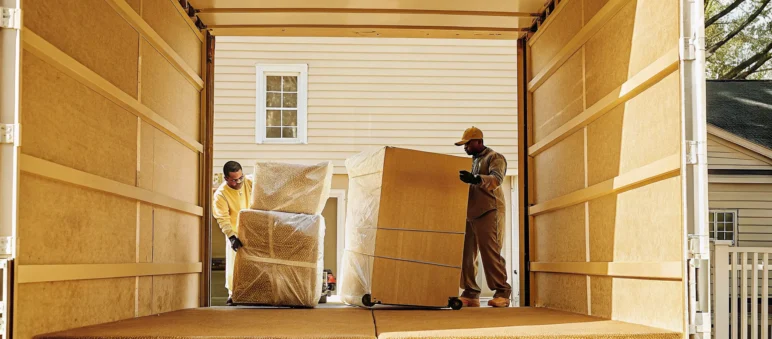
Choosing long distance movers Delaware residents can trust starts with understanding the move itself. A move across state lines involves more than loading a truck and driving to a new home. It calls for a clear survey, a detailed estimate, careful packing, a sound inventory, and steady contact from pickup through delivery.
Request your free moving estimate today and get a clear plan built around your route, belongings, timing, and service needs.
This guide explains how long-distance and specialty moves work, what affects the estimate, and how to compare moving companies. It also shows how Delaware Moving & Storage plans moves for households, businesses, and customers with items that need extra care. The goal is simple: help you make informed choices and feel ready before moving day.
Long Distance Movers Delaware: What makes a move long-distance or specialty?
A move is often called long-distance when it covers a large distance or crosses a state line. Yet distance alone does not tell the full story. Interstate moves must follow federal rules, while an in-state move remains under state requirements. International moves add customs, shipping, and document needs.
Interstate and long-distance moves
An interstate move crosses a state boundary, even when the new home is nearby. A move from Wilmington to Pennsylvania or New Jersey is interstate. These moves are commonly priced using shipment weight, distance, and the services chosen. The carrier should explain the estimate, inventory, delivery window, and valuation choices before work begins.
Long-distance moves also require more coordination than most local moves. The crew needs to plan loading, transit, possible storage, and delivery access. A trusted mover will ask about stairs, elevators, parking limits, narrow roads, and large items before quoting the work.
International moves
International relocation brings another layer of planning. Customers may need customs forms, a detailed inventory, approved packing methods, and realistic transit expectations. Some belongings may be restricted at the destination. Begin early so the moving team can review documents and help you avoid last-minute delays.
Specialty moves
Specialty moving applies when an item, location, or shipment needs added skill or equipment. Examples include antiques, fine art, pianos, office equipment, heavy machinery, and high-value collections. A good plan may call for custom crating, added padding, lift equipment, or climate-aware storage.
How to plan a long-distance move from Delaware
A strong long-distance move begins well before the truck arrives. Early planning gives you time to compare movers, sort your home, and resolve access issues. It also helps the mover produce a more accurate estimate.
Start with a practical timeline
- Eight or more weeks before: Set a target date, list every room, and contact moving companies for surveys.
- Six weeks before: Compare written estimates, check credentials, and decide what to move, sell, donate, or discard.
- Four weeks before: Confirm the mover, choose packing help, and arrange travel, school, medical, and utility details.
- Two weeks before: Confirm access at both homes, prepare important papers, and plan an essentials bag.
- Moving week: Review the inventory, keep valuables with you, and confirm the delivery contact process.
Request a physical or virtual survey
A survey lets the mover see what the shipment includes. It is also the time to point out items in attics, basements, sheds, and storage units. Delaware Moving & Storage uses physical or virtual surveys rather than blind estimates. That approach helps create a detailed quote based on the work your move actually needs.
Tell the surveyor about items that need disassembly, crating, or special handling. Share access details for both addresses. A complete survey reduces surprises and gives you a clearer way to compare companies.
Build a move file
Keep estimates, inventories, receipts, contact details, and key dates in one place. Save digital copies that you can reach while traveling. Your move file should also include photos of high-value items and notes about any existing marks or damage.
Plan around Delaware access and timing
Departure conditions can affect the plan as much as the mileage. Northern Delaware neighborhoods may have narrow streets, limited curb space, or community parking rules. Apartment buildings can require elevator reservations and certificates of insurance. Tell the mover about these requirements before the survey is finalized, not when the truck arrives.
Your destination deserves the same attention. Confirm whether the delivery address permits a full-size moving truck, whether a shuttle may be needed, and when the crew can enter. If the destination is not ready, ask about storage services before booking so storage handling is included in the plan.
Prepare family members for the transition
A long-distance move changes routines for everyone in the household. Give children age-appropriate jobs, such as choosing what travels in their personal bag. Arrange pet transportation and records early. Keep medical, school, closing, and travel documents together so they do not accidentally enter the shipment.
Create a first-night plan for the destination. Include bedding, towels, basic cookware, chargers, cleaning supplies, and clothing. Even when delivery goes as planned, having essentials close makes arrival easier.
How do you choose long distance movers in Delaware?
Price matters, but it should not be the only deciding factor. Look for a company that explains the process, answers direct questions, and provides clear written documents. The right mover should make the move easier to understand, not harder.
Verify the company and its role
Ask who will transport the shipment and who will be your main contact. For an interstate move, review the mover’s federal identity and safety information. Delaware Moving & Storage lists USDOT #70719 and ICC MC #87113, and it has a Satisfactory FMCSA safety rating.
Delaware Moving & Storage has also served customers for more than 42 years. As an official Wheaton World Wide Moving agent since 1999, the company can coordinate long-distance, interstate, and international moves through a wider network.
Compare estimates on equal terms
Make sure each estimate covers the same inventory and services. One quote may include packing or storage while another does not. Ask whether the estimate is binding or non-binding, what could change the final charge, and how added services are approved.
A very low quote can be a warning if it leaves out key details. Watch for companies that refuse to survey the home, demand a large cash payment, or will not explain delivery and valuation terms. Clear paperwork is part of good service.
Ask about valuation protection
Valuation is not the same as ordinary household insurance. Ask the mover to explain available options, limits, exclusions, and the claims process. Choose the level that fits the shipment, and discuss especially valuable items before packing begins.
Use a consistent comparison checklist
Compare more than the total at the bottom of each estimate. Confirm that every mover reviewed the same rooms, outbuildings, large items, access conditions, and requested services. Check the proposed pickup dates, delivery window, payment terms, and the process for approving changes.
- Is the company acting as the carrier or arranging the move as a broker?
- Who will answer questions after loading day?
- Are packing, storage, and specialty services itemized?
- What delivery window is shown in writing?
- How are changes documented and approved?
A clear answer to each question makes it easier to compare value and service, rather than choosing an incomplete low quote.
Explore Delaware Moving & Storage’s long-distance and interstate moving services, then request a detailed survey for your move.
What affects the cost of a long-distance move?
No single price fits every long-distance move. The shipment size, mileage, labor, access, timing, and selected services all affect the estimate. A complete survey is the best starting point because it lets the mover understand the actual work.
| Cost factor | Why it matters | How to prepare |
|---|---|---|
| Shipment weight or volume | More belongings require more truck space and handling. | Sort before the survey and include every storage area. |
| Distance | Longer routes require more time, fuel, and coordination. | Share exact pickup and delivery addresses. |
| Packing and specialty care | Crating, full packing, and fragile-item care add materials and labor. | Identify specialty items during the survey. |
| Access | Stairs, elevators, long carries, and tight roads can change the work. | Confirm parking and building rules early. |
| Storage | Storage may be needed when move-out and move-in dates do not align. | Discuss the likely storage period and access needs. |
Why inventory accuracy matters
The estimate can only reflect what the mover knows. If several rooms or bulky items are missing from the survey, the final shipment may require more work than planned. Be open about everything you intend to move, even if you have not made every decision.
Services you select
You can often choose between packing everything yourself, asking for partial packing, or using full packing service. Other choices may include unpacking, debris removal, storage, and specialty handling. Ask which services are included and which are optional.
Season, flexibility, and delivery conditions
Demand can be higher around summer, weekends, holidays, and the beginning or end of a month. If your dates are flexible, tell the surveyor. Flexibility may make it easier to build a workable pickup and delivery plan.
Destination access also matters. A steep drive, restricted loading area, elevator reservation, or long carry can require added time or equipment. Share photos and building instructions during the survey when an in-person review is not practical.
How to keep the estimate accurate
Update the mover if your shipment or services change after the survey. Adding furniture, requesting packing, or changing an address can affect the scope. Early updates allow the coordinator to revise the plan and explain any effect on the estimate before moving day.
What happens from estimate to delivery?
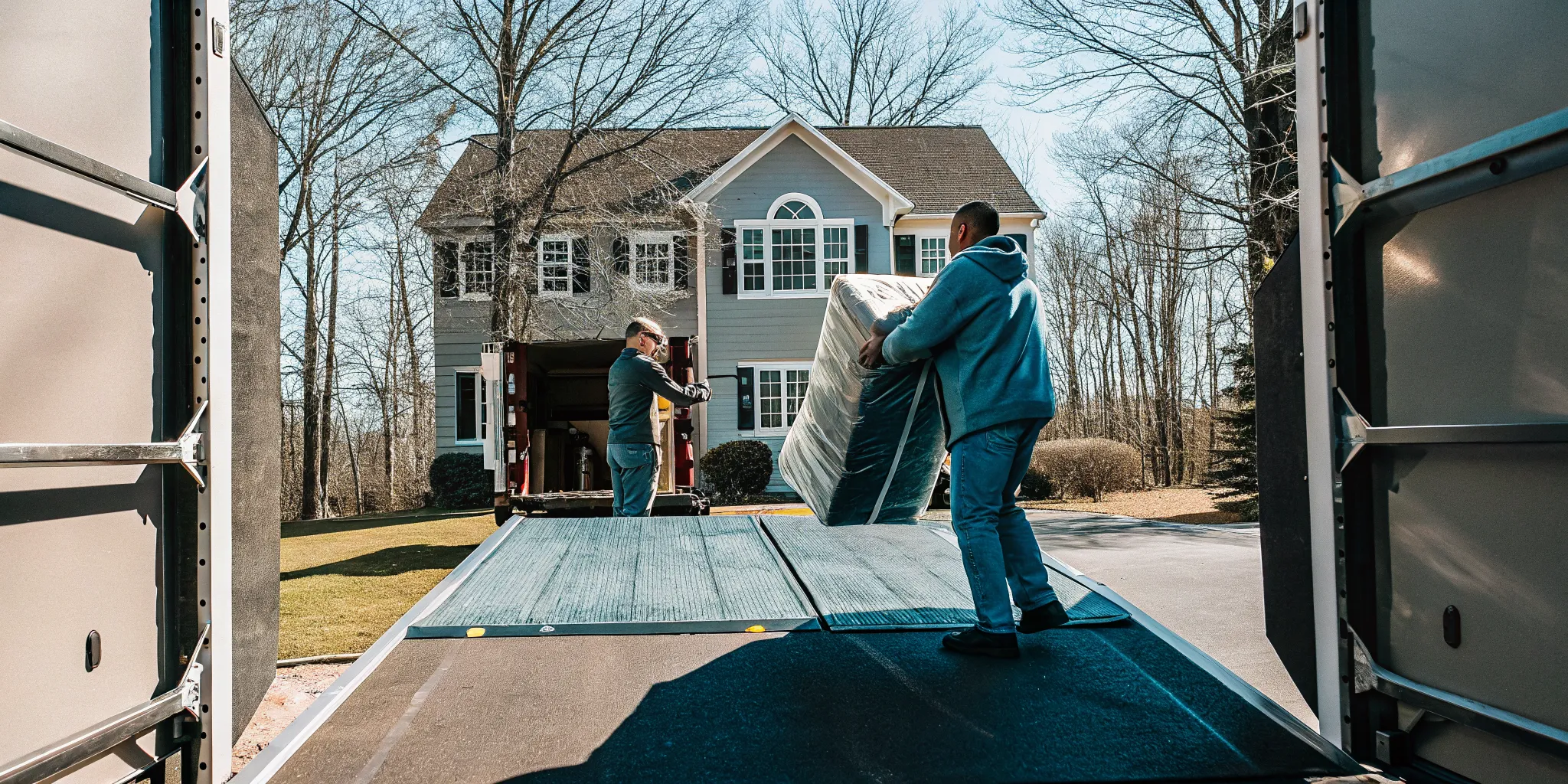
A professional move follows a clear path. Knowing each stage helps you prepare and gives you useful checkpoints. Your move coordinator should explain who to contact whenever a question comes up.
Survey, estimate, and booking
The process starts with a physical or virtual survey. After reviewing the shipment, access, route, and services, the mover provides an estimate. Read every section, ask questions, and confirm important dates before booking.
Packing and inventory
If you choose professional packing, the crew brings suitable cartons and protective materials. Each carton should have a clear label. Large furniture may be padded or disassembled as needed. The inventory creates a record of items loaded for the move.
Keep medicines, personal records, keys, jewelry, and items needed during travel with you. Do not pack materials that the mover cannot safely carry. Ask for a prohibited-items list before packing.
Loading, transit, and delivery
On loading day, walk through the home with the crew and confirm that nothing is left behind. Keep copies of the move documents and know how to reach your contact during transit. Delivery may involve a window rather than one exact time, so discuss expectations in advance.
At delivery, use the inventory as items enter the home. Note visible issues and follow the stated process if something is missing or damaged. A calm, organized check helps resolve concerns faster.
What documents should you expect?
Your paperwork should identify the mover, shipment, requested services, valuation selection, and important dates or windows. Interstate moves also involve federally required information. Read each document and ask for an explanation of unfamiliar terms before signing.
Keep your copies with you throughout the move. Do not pack them on the truck. If the inventory uses numbered stickers, check those numbers as items arrive and record concerns according to the mover’s process.
Communication during transit
Confirm who provides updates and how to reach that person. Ask when you should expect the next update and what to do if your availability changes. Provide more than one reliable phone number when possible, especially if travel or closing appointments may make you difficult to reach.
Specialty moving services that need extra planning
Some moves require more than standard cartons and furniture pads. Tell the mover about special items at the first survey. Early notice gives the team time to plan the right equipment, materials, and crew.
Antiques, fine art, and pianos
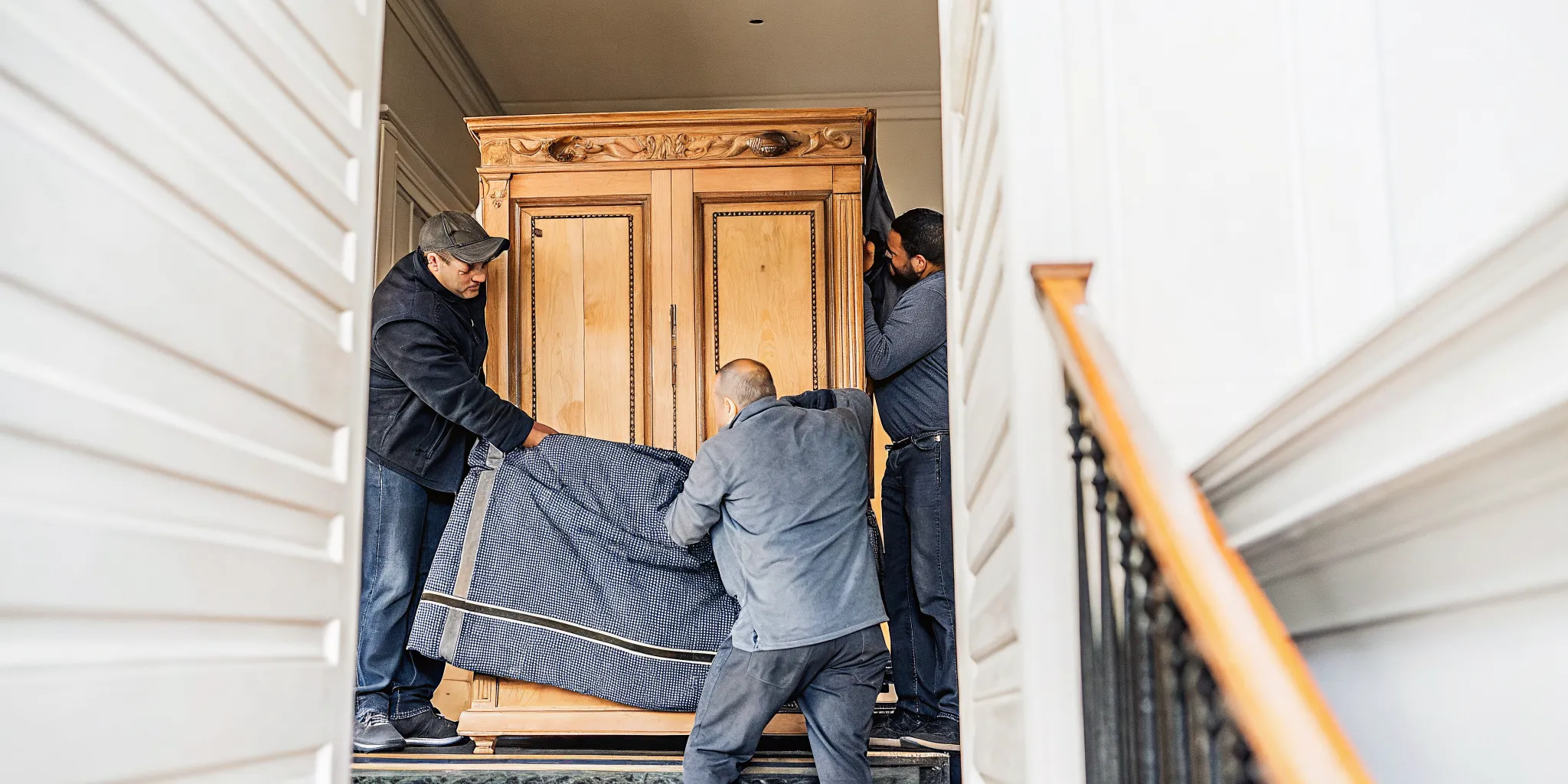
Fragile and high-value items may need custom crating, detailed condition notes, and careful placement in the truck. Pianos require attention to weight, shape, steps, and flooring. Ask how the company will protect both the item and the home.
Commercial equipment and office moves
Business moves should limit downtime while protecting equipment and records. Create a department inventory, label destination areas, and identify systems that must be available first. Heavy machinery may need rigging, lift equipment, or special route planning.
Storage and international coordination
Storage can bridge the gap when a new home or office is not ready. Ask how items are inventoried, protected, and retrieved. For international moves, start document and customs planning early. Delaware Moving & Storage can coordinate broader relocation needs through its Wheaton World Wide Moving relationship. Learn more about the company’s international moving services.
How specialty items are assessed
A specialty-item plan begins with accurate dimensions, weight when known, photographs, condition details, and access at both properties. The mover may need to inspect stairs, doorways, turns, flooring, loading areas, or equipment placement. This review determines the materials, crew size, and equipment needed.
Do not assume that a standard estimate automatically covers every unusual item. Identify safes, pianos, artwork, antiques, machinery, oversized furniture, and fragile collections during the first conversation. Ask how each item will be prepared, moved, and documented.
Commercial and office planning details
Assign a move lead for each department and create a destination map before the crew arrives. Identify files, technology, furniture, and equipment that must be available first. Plan with building managers at both locations so elevator, loading dock, security, and access requirements are settled in advance.
For help reducing downtime and coordinating equipment, review Delaware Moving & Storage’s commercial and interoffice moving services.
How should you prepare your belongings?
Good preparation protects the shipment and reduces moving-day stress. Begin by sorting room by room. Donate or discard what you no longer need, then create a simple plan for everything that will travel.
Pack for the journey
Use sturdy cartons and enough padding. Fill empty spaces so items do not shift, but do not make cartons too heavy to lift safely. Label each carton with its room and a short description. Mark fragile cartons clearly.
For helpful support, review Delaware Moving & Storage’s packing services. Professional help can be useful for fragile rooms, valuable collections, or a move with a tight timeline.
Create a room-by-room packing system
Pack one area at a time and assign each carton to a destination room. Add a brief contents note without listing valuables on the outside. Use small cartons for dense items such as books and larger cartons for lighter household goods. Keep hardware from disassembled furniture in labeled bags and note which item it belongs to.
Open cartons can slow loading and leave contents vulnerable. Finish packing before the crew arrives unless professional packing is part of your order. Set aside items that travel with you so they are not loaded by mistake.
Know what should not go on the truck
Ask your mover for its prohibited-items guidance. Movers generally cannot transport hazardous or flammable materials, and some household or outdoor products require separate disposal. Food, plants, and temperature-sensitive belongings may also need a different plan depending on the trip.
Keep irreplaceable records, identification, medication, jewelry, keys, and travel documents in your personal possession. If you are unsure about an item, ask before packing rather than making a moving-day decision.
Keep essentials close
Prepare a travel bag with medicines, chargers, toiletries, clothing, basic tools, and important documents. Include anything children or pets will need. Keep this bag and personal valuables with you rather than on the moving truck.
Prepare both properties
Reserve elevators, confirm parking, and protect floors where needed. Measure doorways for oversized items. At the destination, label rooms so the crew knows where furniture and cartons belong. These small steps can make delivery much smoother.
Why work with Delaware Moving & Storage?
Delaware Moving & Storage is a family-owned, full-service moving and storage company based in northern Delaware. For more than 42 years, the team has helped customers plan local, interstate, long-distance, international, commercial, and specialty moves.
Detailed estimates, not guesses
The company does not rely on blind estimates. A physical or virtual survey helps the team learn about the shipment, access, timing, and services before preparing a detailed estimate. That supports clearer planning and fewer surprises.
Local care with wider reach
As a Wheaton World Wide Moving agent since 1999, Delaware Moving & Storage combines personalized local service with a network built for moves beyond Delaware. The team serves households and businesses across the tri-state area and can coordinate moves much farther away.
Customers can also explore storage solutions and long-distance and interstate moving services as they build a plan. The company holds BBB A+ accreditation and was named the 2019 Wheaton Agent of the Year.
One team for connected services
A long-distance move may combine surveying, packing, loading, storage, transportation, delivery, and specialty handling. Coordinating these needs with one full-service company can simplify communication and reduce handoffs. Delaware Moving & Storage can tailor the plan to the services a customer actually needs.
Customers moving nearby can also review the company’s local moving services, while renters can learn about dedicated apartment moving support.
Get a free moving estimate based on a physical or virtual survey, not a blind guess.
Frequently asked questions
How early should I book long distance movers in Delaware?
Begin comparing movers about eight weeks before the move when possible. Busy dates and moves with packing, storage, or specialty items may need more lead time. An early survey gives you time to review the estimate and prepare.
How are long-distance moves priced?
Long-distance pricing often reflects shipment weight, mileage, access, and selected services. Packing, storage, specialty handling, and valuation choices can also affect the estimate. Request a complete survey and compare written quotes on equal terms.
Can movers pack only fragile or valuable items?
Yes. Partial packing can focus on rooms or items that need added care, while you pack the rest. Discuss artwork, antiques, glassware, electronics, and other valuable items during the survey.
What should I keep with me during the move?
Keep medicines, identification, financial records, keys, jewelry, chargers, and travel essentials with you. Also keep the moving documents and contact information easy to reach.
Can Delaware Moving & Storage help with an international move?
Yes. Delaware Moving & Storage provides international moving support and can coordinate wider relocation needs through its Wheaton World Wide Moving relationship. International moves should begin early because customs, inventories, and shipping plans take time.
Request your free moving estimate
A well-planned move starts with a clear conversation and a detailed survey. Delaware Moving & Storage can help you understand the route, services, timing, and specialty needs before moving day. Call (302) 322-0311 to request a free moving estimate and start planning with confidence.