
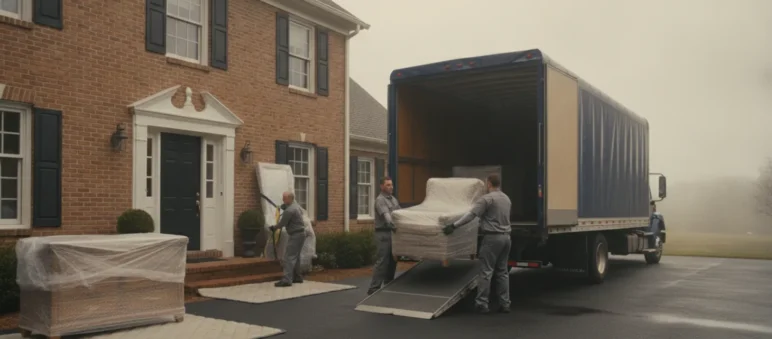
A Delaware moving weather plan helps you prepare for rain, heat, or a forecast that changes before moving day. A few decisions made ahead of time can protect belongings, keep walkways easier to manage, and make it clearer what to do if conditions affect the schedule. Start with a plan that can adapt, rather than assuming the day will stay dry and mild.
What should a Delaware moving weather plan cover?
Plan for the work that weather can affect: carrying items between the home and vehicle, protecting floors and furniture, keeping people comfortable, and deciding when to pause. The plan should also identify who will make decisions if rain becomes heavy, heat feels unsafe, or a storm is nearby.
Begin by listing the parts of the move that happen outdoors. These may include a driveway or curbside loading area, a path from the entrance to the truck, stairs, a building entrance, or a walk between parking and an apartment. Note any exposed areas and any alternative route that could be used without creating a new hazard.
Then separate what can be changed from what cannot. You may be able to move small packing jobs indoors, set aside extra towels, or clear a sheltered staging area. You may not control the weather, building access, or a road condition. The aim is to have clear options, not to promise that every move can proceed on the original plan.
- Check conditions: Review the forecast and local alerts in the days before the move and again the morning of the move.
- Protect the route: Identify slippery, exposed, or narrow areas and make them as clear as possible.
- Protect belongings: Set aside appropriate covers and keep items that should not get wet away from open doors.
- Agree on a decision process: Know who to contact and ask what conditions could change the plan.
- Keep essentials accessible: Pack a small set of items for comfort, communication, and cleanup separately.
For a broader preparation timeline, review these moving preparation steps and adapt the tasks to your home and forecast.
How should you check the forecast and make a backup plan?
Weather forecasts are useful planning information, but they can change. Check the outlook several days ahead to spot possible rain or heat, then look again closer to moving day. A forecast for a wide region may not describe conditions at both ends of a long-distance move, so review the origin and destination separately when they are far apart.
Choose a time to reassess, such as the evening before the move and the morning itself. Avoid building the whole plan around one early forecast. If conditions are uncertain, prepare for the likely possibilities: a dry period with a wet driveway, passing rain, or warm conditions that make frequent breaks important.
A backup plan can be brief. Write down what you will do if loading begins in rain, if a storm interrupts outdoor work, or if heat makes the day harder than expected. For example, you might keep packed boxes in a dry room until the path is ready, pause carrying items through an exposed area, or ask the building contact about an alternate entrance. Do not use an alternate route unless it is clear, permitted, and safe.
| Condition to plan for | Preparation before moving day | Possible response on the day |
|---|---|---|
| Light or intermittent rain | Set aside covers, towels, and a dry staging area; clear drains and paths where practical. | Keep items covered between the home and vehicle and dry wet surfaces when needed. |
| Heavy rain or standing water | Identify indoor waiting space and an alternate entry, if available and approved. | Pause work through flooded or slippery areas and reassess access before continuing. |
| Hot, humid conditions | Prepare drinking water, shade, and a cooler indoor area; plan where people can take breaks. | Take breaks as needed, watch for signs of heat illness, and stop to seek help if someone is unwell. |
| Thunder or nearby severe weather | Know where people can shelter and who will communicate a pause or change. | Move people to a safe indoor location and wait until conditions can be reassessed. |
This table is a planning aid, not a weather-safety determination. If conditions create a safety concern, do not try to keep loading just to preserve a schedule. Ask the moving company how it handles weather-related delays and what communication to expect. Delaware Moving & Storage uses physical or virtual surveys to prepare detailed estimates rather than relying on a blind estimate; you can ask questions about access and planning during the estimate process. Details of the estimate are specific to the move.
How can you protect a home and belongings from rain?
Rain planning starts with the path, not only the boxes. Look at the route from each room to the exit, from the exit to the vehicle, and at the destination. A short walk can become slick when shoes track water inside. Move loose rugs, cords, garden items, and other trip hazards out of the route. Keep doors and stairs clear, and make sure people can see where they are stepping.
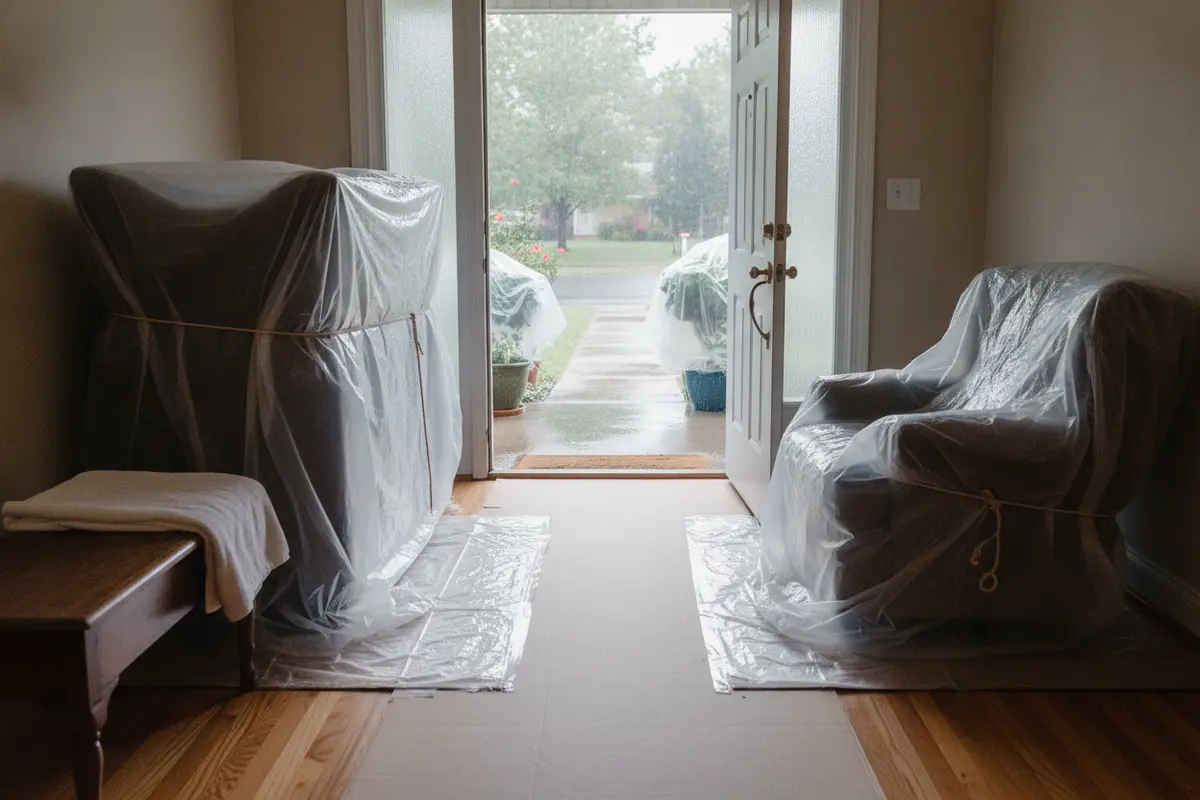
Consider what will happen at each threshold. If water could be tracked indoors, put absorbent towels or a mat where they will not slide or block the doorway. Keep a separate supply of dry towels for wiping hands or surfaces. Do not place a wet mat on a stair or in a way that creates a slipping hazard.
For belongings, close boxes securely and keep them off wet ground. Use suitable covers for upholstered furniture and mattresses, but make sure coverings are secured so they do not catch on door handles, steps, or other obstacles. A cover should not interfere with a safe grip. Keep electronics, papers, medicines, and other items that should remain dry in a clearly marked, accessible container that travels with you when appropriate.
Do not assume a plastic cover alone makes an item ready for rain. Water can enter through an opening or collect in a fold. Check that a cover is intact and fits the item, and do not leave covered belongings outside longer than necessary. If a box or piece of furniture gets wet, set it aside for inspection rather than stacking additional items on top.
At the new home, decide which room can be used as a dry landing area. If the home is not ready, choose a protected place that does not block an exit or work area. Keep pathways open so people carrying items do not have to step around piles. A simple room label and an agreed drop-off spot can reduce extra handling.
What should you do if it is hot on moving day?
Heat affects people as well as belongings. Make a basic comfort plan before the truck arrives. Keep drinking water available, identify shaded areas, and decide where someone can cool down indoors. If the home has limited cooling or is already packed, choose another accessible, cool place to take a break.
Keep drinks and personal essentials separate from packed household goods. Bring a charged phone, any needed medications, a hat, and clothing suited to the conditions. Do not leave heat-sensitive items, such as candles or certain personal-care products, in a hot vehicle. Transport items that need special temperature care in a way appropriate for the product, and follow its label or professional guidance.
Watch how everyone is doing, including children, older adults, and anyone with health concerns. Headache, dizziness, weakness, nausea, confusion, or fainting can be warning signs that someone needs prompt attention. Stop the work, move the person to a cooler place, and seek medical help if symptoms are serious or do not improve. Do not treat water or a short rest as a substitute for medical care.
Pets and plants may need a separate temperature plan. Arrange for pets to stay in a cool, secure area away from open doors and moving equipment. Consider how plants will be carried and protected from direct sun or heat, and avoid leaving them in a parked vehicle. These arrangements also help keep doorways and work paths clear.
During a local move, the home may be open repeatedly while items are carried. Set aside a room that can stay closed if possible, and coordinate when doors can be opened or closed. Ask the crew about its working process and tell them about any access issue. The company offers packing services for customers who want help preparing belongings, and a discussion can clarify what is included for a particular move.
How do you prepare the driveway, stairs, and building access?
Walk the route before moving day and look at it from the perspective of someone carrying a box. Remove low branches or loose objects if you can do so safely. Sweep leaves or debris from the path, and check that exterior lights work if the move could extend into low light. Do not attempt repairs or cleanup that would put you at risk in poor weather.
For rain, note places where water pools or runs across the path. For heat, look for shade and identify an area where people can take breaks without blocking the route. In either case, keep the truck access area clear of cars and other obstructions. If parking arrangements need approval, contact the property manager or local authority in advance rather than making assumptions on the day.
Apartment and condominium moves may have additional requirements. Confirm elevator reservations, loading areas, move-in windows, certificates, and any rules about door protection or entrances with building management. Ask whether the building has a covered loading area or an approved alternate route. Add the name and contact details of the person who can answer access questions to your move notes.
If you have stairs, measure and inspect the path, but do not carry large or heavy items alone to avoid a delay. Avoid placing covers, buckets, or temporary materials where they narrow a stairway. On wet days, footwear should provide a stable footing. If a route becomes slippery, stop and address the condition before carrying items through it.
Delaware Moving & Storage serves northern Delaware and nearby areas including Chester and Delaware Counties in Pennsylvania and Cecil County in Maryland. Confirm that the origin and destination fall within the service arrangement for your move. The service area information can help you review coverage. Customers moving within the region can also learn about local moving services.
What should you ask your moving company before the weather changes?
Weather planning is easier when expectations are clear. Contact the moving company before moving day with questions about access, protective materials, communication, and what to do if conditions change. For a long-distance move, ask how weather at either end could affect the plan. The answer may depend on the move details, route, and conditions, so avoid assuming that a particular delay or delivery time is guaranteed.
- What should I do if rain begins before loading or unloading is complete?
- Who should I contact on moving day if the forecast changes or access is affected?
- Which items should I set aside or prepare separately?
- Are there building, parking, or elevator details you need from me?
- How should we handle an unsafe walkway, standing water, or severe weather?
- What is included in the estimate, and how should changes in the move be discussed?
Share practical details early: stairs, a long walk from parking, a narrow entrance, a lack of covered space, or a building time restriction. A survey helps the company understand the move and prepare a detailed estimate. Read the estimate carefully, ask about anything unclear, and keep a copy of important communications. Delaware Moving & Storage is an official agent for Wheaton World Wide Moving, supporting long-distance and interstate relocation; its Wheaton moving information explains that relationship.
If you still need to choose a mover, compare written details rather than relying on a weather promise. This guide to hiring a moving company covers questions to consider while evaluating a provider. For a move that crosses state lines, review the interstate moving guide and confirm responsibilities specific to your shipment.
What should go in a weather-ready moving-day kit?
Pack a small kit that stays with you instead of going into the truck. Keep it easy to reach and adjust it for the conditions and the people in your household. Do not include anything you would need a mover to retrieve once loading is underway.
- Water and personal medications, plus a charged phone and charger or power bank.
- Rain gear, spare dry socks, and towels if rain is likely.
- Sun protection and suitable clothing if hot conditions are expected.
- A small first-aid kit and basic cleaning supplies for minor cleanup.
- Important documents, keys, glasses, and contact information.
- Pet supplies and a secure carrier or leash, if needed.
- Labels or a written note identifying items that should remain with you.
Keep the kit away from the main path so it does not become a trip hazard. Put a simple note on it, and tell household members where it is. If a particular item requires special handling, plan that separately rather than relying on the general kit.
How can you keep the plan manageable?
Use a short checklist instead of trying to prepare for every possible weather event. One person can monitor conditions and communicate changes; another can check that the route remains clear. If you live alone or have limited help, make fewer moving-day tasks depend on you being outdoors. Set aside essentials and finish weather-sensitive preparation before the day begins.
Consider this sequence:
- Several days ahead: Check the forecast, building rules, parking, and access. Identify a dry staging area and a cool break area.
- The day before: Recheck conditions, move loose objects, prepare covers and the weather kit, and confirm contact details.
- Before loading: Review the route, clear entrances, separate essentials, and tell the moving team about concerns.
- During the move: Keep walkways open, communicate changes, and pause when conditions make the route unsafe.
- At the destination: Choose a dry drop-off location, inspect items as appropriate, and keep the entry clear.
These steps are useful for moves in Wilmington, Newark, Middletown, Hockessin, New Castle, Bear, or nearby communities, but the right plan depends on each property and move. If you are moving into or out of an apartment, this apartment moving guide offers additional preparation points. Keep the instructions practical and share them with everyone involved.
Request a detailed moving estimate for your Delaware move.
Frequently Asked Questions
Should I cancel my move if rain is forecast?
Not necessarily. A forecast alone does not tell you whether a move can proceed safely or how a specific company will handle it. Contact the moving company to discuss the conditions, access, and any change to the plan. Do not continue through flooding, lightning, or an unsafe walking route just to preserve the original schedule.
What can I do if rain starts while belongings are being carried?
Keep people and belongings out of unsafe areas first. If the path remains usable, use suitable covers and keep items moving between protected areas without leaving them on wet ground. If the route is slippery or water is pooling, pause and reassess rather than carrying items through it.
How do I keep boxes dry?
Close and secure boxes, keep them off wet surfaces, and use suitable covers for the trip between the home and vehicle. Protect especially water-sensitive personal items separately. Check covers for openings and avoid leaving covered boxes outdoors longer than necessary.
What should I do if it is very hot?
Make water, shade, and a cool place available, and take breaks as needed. Watch household members for signs of heat illness. Stop work and seek medical help if someone is confused, faints, or has symptoms that are severe or do not improve.
Does a weather plan guarantee the move will stay on schedule?
No. Weather and access conditions can change, and no plan can guarantee a particular moving or delivery time. A plan helps you prepare options and communicate promptly when conditions affect the work.
Ready to plan a move around the forecast?
Make your weather plan specific to the route, home, and people involved, then confirm any questions with your moving company before moving day. For a detailed estimate and a conversation about your move, learn about requesting an in-home estimate.