
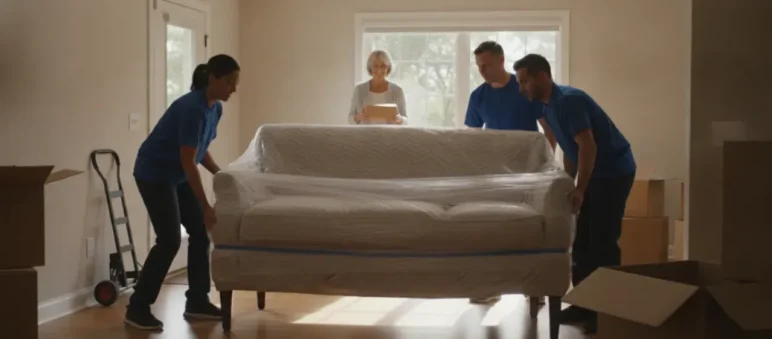
Choosing residential movers in Delaware is only one part of a safer home move. The real protection comes from planning the home, shipment, crew, and timing before moving day.
A careful plan helps prevent rushed lifting, blocked walkways, missing essentials, and surprise service questions. It also gives your movers a clear picture of what must be protected and where it needs to go.
Request your free moving estimate before you set a moving date.
What should residential movers Delaware families trust plan first?
Residential movers Delaware families trust should begin with the move conditions, not a guess based only on bedroom count. A survey identifies the home’s access, inventory, fragile items, packing needs, storage needs, and delivery details.
Start with a room-by-room review. Note stairways, narrow turns, elevators, long walks from the truck, and low-clearance areas. Mark items that need disassembly or special handling.
Also list the pieces that will not move. Many households forget to separate donations, disposal items, plants, food, cleaning products, and personal vehicles. Removing those decisions early keeps the loading plan focused.
Why is a home survey safer than a quick estimate?
A home survey gives the moving company information that a short phone description may miss. The survey can be completed in person or through a virtual option, depending on the move.
During the review, ask the estimator to confirm the shipment volume, services, crew expectations, access conditions, and delivery plan. Ask how changes will be handled if the inventory changes before moving day.
A detailed estimate also creates a shared reference point. You can compare the planned services with the final paperwork instead of relying on memory during a busy week.
The company uses physical or virtual surveys to build accurate, detailed estimates. That no-blind-estimates approach supports clearer planning and helps reduce avoidable surprises.
How can residential movers Delaware families trust prepare the home?
Residential movers Delaware families trust can work more safely when the home is ready before the first box reaches the truck. Preparation should protect people, floors, walls, furniture, and the crew’s path through the house.
Use these steps during the final week:
- Clear hallways, stairs, and door areas of loose items.
- Remove small rugs and secure cords near walking paths.
- Measure large furniture against doorways and stair turns.
- Reserve elevator time or loading access when a building requires it.
- Keep children and pets away from active loading areas.
- Set aside keys, documents, medicine, chargers, and daily clothing.
- Tell the crew about weak flooring, low branches, gates, and tight turns.
Protect the old home and the new home before loading begins. Cover vulnerable flooring when weather or foot traffic creates a risk. Keep a clear route between each room and the truck.
Do not place last-minute boxes in front of exits. Do not leave tools, glass, candles, or liquids in open cartons. These small choices reduce trip hazards and prevent avoidable damage.
What should you ask residential movers Delaware families trust before booking?
Ask residential movers Delaware families trust to explain the work in practical terms. The goal is not to collect the longest list of promises. It is to confirm that the estimate, crew, protection plan, and schedule match your home.
Use these questions during the estimate conversation:
- Will the estimate follow an in-home or virtual survey?
- Which rooms, outdoor areas, and specialty items are included?
- What furniture protection and floor protection will the crew use?
- Which items should stay with the household rather than on the truck?
- How will the crew handle stairs, narrow turns, long carries, or an elevator?
- What happens if the move date, inventory, or access conditions change?
- Which valuation protection options should we review before signing?
- Can storage be coordinated if the destination is delayed?
Pay attention to how clearly the answers are documented. A professional moving plan should identify assumptions instead of leaving every detail to the morning of the move.
Ask for the contact process, too. Know who to call before moving day, who coordinates the crew, and how questions are handled during loading and delivery. Clear communication matters when a closing time, lease deadline, or building reservation is involved.
For a local move, review the company’s local moving services alongside the estimate. The service page can help you compare the planned work with the equipment, crew, and monitoring details discussed during the survey.
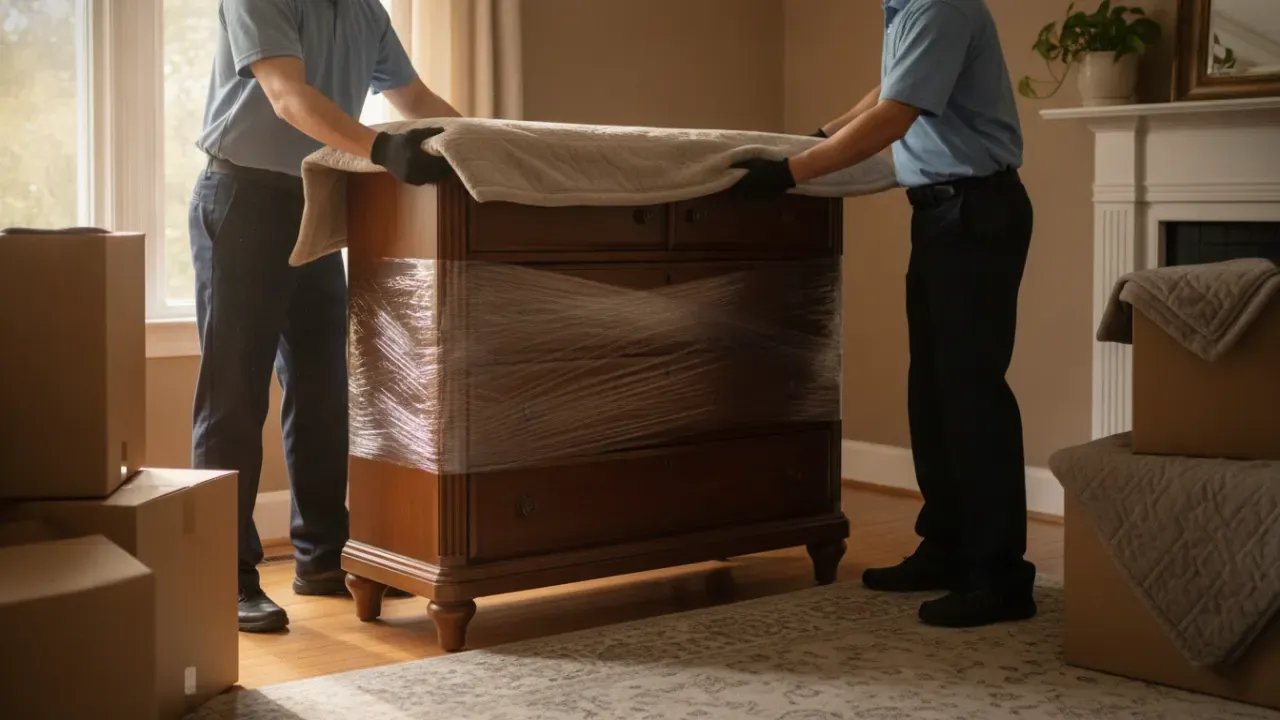
Which packing choices help protect a Delaware home move?
Safe packing matches the container and protection method to the item. Heavy items belong in smaller cartons. Lightweight items can fill larger cartons without making them unsafe to lift.
Use sturdy cartons with secure bottoms. Avoid overfilling boxes until the flaps bow or the carton becomes difficult to carry. Add cushioning around fragile pieces and remove empty space that allows movement.
Label each carton by room and handling need. A simple label such as “kitchen, fragile” gives the crew useful information without slowing the load. Keep a separate first-night group for essentials.
Professional packing may be useful when time, mobility, or the size of the home makes self-packing difficult. Partial packing can focus on fragile items, the kitchen, artwork, or other high-risk areas.
Explore professional packing services when you want trained help with materials, protection, and unpacking choices.
What should you pack yourself?
Pack personal essentials that must remain with you. This includes identification, prescriptions, financial records, valuables, basic tools, and items needed during the first night.
Ask the moving team about items that require special instructions. Certain materials, plants, perishables, and hazardous household products may not be suitable for a moving truck.
Keep those items separate and clearly identified. A separate plan prevents them from being loaded by mistake or left behind without notice.
How should you review valuation protection with movers?
Valuation protection explains the mover’s responsibility for covered items during the move. It is different from a homeowner policy and should be reviewed before you sign moving documents.
Ask which protection options are available, what each option covers, and how claims are handled. Ask whether special items need to be listed or valued before the move.
Walk through your high-value or sentimental items during the survey. Photograph condition when useful. Keep receipts, appraisals, or ownership records for items that need extra documentation.
Do not assume that a furniture pad, carton, or stretch wrap replaces a protection discussion. Physical protection and valuation protection solve different parts of the risk question.
Review valuation protection options before moving day so you can choose with time to ask questions.
How can you protect specialty items and people during a move?
Specialty items deserve a separate plan because their weight, shape, material, or sentimental value can change the way they are packed and carried. Mention pianos, antiques, artwork, large appliances, gun safes, electronics, and other unusual pieces during the survey.
Share the item’s location and the route out of the home. A heavy piece on an upper floor may require different equipment or a different crew sequence than a standard box. A delicate finish may need more than a basic carton.
Protect people by assigning one adult to answer questions and keeping everyone else outside the active work area. Children and pets can be curious when furniture starts moving. A quiet room or trusted caregiver can reduce distractions.
Use a written note for any item that needs special placement, disassembly, reassembly, or inspection. Take a clear condition photo when it will help document the starting state. Keep small hardware in a labeled bag with the related item.
Do not attempt a risky lift because a delivery window is tight. Tell the crew about the concern and let the moving team determine a safer handling approach. Good coordination protects the household and the people doing the work.
When should residential movers Delaware families trust be booked?
Book residential movers Delaware families trust after you understand the move scope and the date constraints. Earlier planning creates more room for surveys, packing, access coordination, and changes.
Contact movers as soon as you know the likely move window. Tell them whether the date is firm, flexible, or tied to a closing, lease, job start, or renovation.
Share the details that affect the schedule:
| Move detail | Why it matters | What to confirm |
|---|---|---|
| Home access | Long walks, stairs, elevators, and narrow entries change the loading plan. | Parking, elevator rules, stairs, gates, and walk distance. |
| Shipment contents | Heavy, fragile, oversized, or specialty items need added planning. | Disassembly, protection, equipment, and crew experience. |
| Packing scope | Full, partial, or self-packing changes the work before loading. | Materials, rooms included, labels, and unpacking needs. |
| Storage timing | A gap between homes may require a secure holding plan. | Storage duration, access, delivery sequence, and inventory. |
| Delivery conditions | The destination may have different access or protection needs. | New address access, floor protection, placement, and assembly. |
Local moves may use an hourly structure, while long-distance moves use shipment details such as weight and mileage. Your survey helps connect the estimate to the actual work.
Ask the estimator what could change the final scope. Clear answers are more useful than a low number that leaves important services undefined.
How does storage support a safer residential move?
Storage can reduce pressure when the old home and new home are not ready at the same time. It can also make staging, renovations, downsizing, and closing delays easier to manage.
Discuss storage before the truck is loaded. Decide which items need immediate delivery and which items can wait. Keep an inventory that identifies boxes, furniture, and any special handling instructions.
Ask about access, security, containerization, delivery timing, and the process for retrieving stored items. The right plan should match the length of the gap and the condition of the belongings.
Delaware Moving & Storage offers temporary and long-term storage solutions, including containerized options. The company operates a large warehouse with loading docks and a central alarm system.
Review storage solutions for a move between homes before a timing gap becomes an emergency.

What should happen during move-day coordination?
Move-day coordination starts with a short walkthrough. Confirm the rooms, items, protection needs, access route, and any items that are not moving.
Keep the person managing the move available for questions. That person should know where essentials are located and who can approve decisions about placement or packing.
Use a simple sequence:
- Walk the home and confirm the work area.
- Protect floors, doors, corners, and vulnerable furniture.
- Load heavy and stable items with a planned weight balance.
- Check rooms, closets, attic areas, garage spaces, and outdoor storage.
- Review the inventory and destination instructions before departure.
- Confirm the destination contact, access, and delivery sequence.
At the new home, identify the rooms before unloading begins. Place room-labeled cartons in their planned areas. Ask the crew to note visible damage before moving an item further.
A calm handoff protects the schedule. It also helps the household avoid opening every box while heavy furniture is still moving through the home.
Request a free estimate and start your safer move plan with a survey-based review of your home and shipment.
Frequently asked questions about residential movers in Delaware
How far in advance should I contact residential movers in Delaware?
Contact movers as soon as you know your likely move window. Earlier planning allows time for a survey, packing decisions, building access, storage arrangements, and schedule changes.
Can movers help with only part of my packing?
Many moving plans can include partial packing. Ask about packing fragile items, selected rooms, or special belongings while you handle routine cartons yourself.
Why do movers recommend an in-home or virtual survey?
A survey helps document the shipment, access conditions, packing needs, protection choices, and storage requirements. It supports a detailed estimate instead of a blind estimate.
Can I use storage between two homes?
Yes, storage can help when the destination is delayed or the household needs time to stage, renovate, downsize, or coordinate a closing. Review access and delivery timing first.
What should I keep with me on moving day?
Keep medicine, identification, records, valuables, chargers, basic clothing, and first-night supplies with you. Separate items that should not be loaded onto the moving truck.
Drew Hopkins, General Manager, and the local moving team can help you turn a complicated home move into a clear sequence of decisions. A thoughtful survey and an honest scope are the first steps toward a safer move.
Request your free estimate today to discuss your Delaware residential move.