
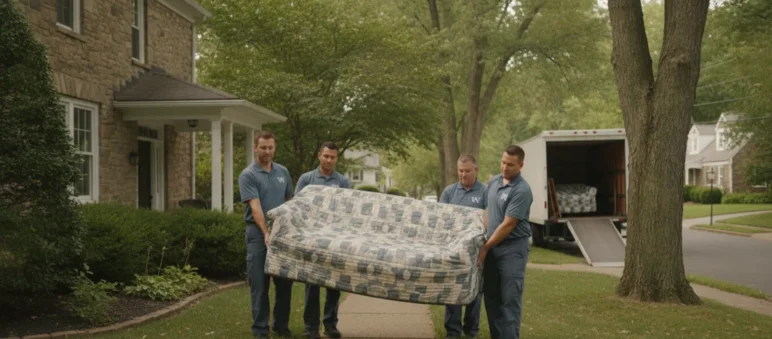
Choosing local movers in Chester County, PA involves more than comparing dates and hourly rates. A household move may include narrow streets, stairs, long walks from the door to the truck, packing needs, storage between homes, or a change in the move plan. A useful comparison starts with a detailed discussion of the home and the move, then checks what each estimate includes and what you need to prepare.
This guide is for people planning a local residential move within Chester County or to or from the surrounding area. It focuses on practical decisions to make before booking. The right questions help you compare providers on the same basis, understand what the crew will need on moving day, and avoid treating an estimate as a guess based on incomplete information.
How Should You Compare Local Movers in Chester County, PA?
Begin by describing the full move, not only the two addresses. Share the home type, the number of rooms, the major furniture, the approximate volume of belongings, and any unusual access conditions. Tell the mover what is changing between the current home and the destination. For example, a ground-floor apartment at the origin and a townhouse with several stair flights at the destination create a different work plan than two homes with easy driveway access.
Compare estimates that use the same basic facts. If one company has been told about the basement, packed boxes, and long carry while another has not, their figures and plans may not be comparable. Ask each provider to explain the information behind the estimate and to identify assumptions that could affect the work. A careful estimate process should clarify what is included, what is optional, and what changes would require a revised discussion.
Other useful comparison points include whether the mover explains its survey process, how it handles packing and furniture protection, what valuation options are available, and how you can reach the team with an update. Ask for the answers in writing when possible. A clear written scope is easier to review with family members and refer to as moving day approaches.
- Confirm the exact origin and destination addresses, including unit or building details.
- List the rooms, large items, appliances, and belongings that need to be moved.
- Discuss packing, disassembly, storage, and any items that need special handling.
- Ask what the estimate includes and which conditions could change the plan.
- Check how the mover will confirm the schedule and communicate updates.
Delaware Moving & Storage serves Chester County as part of its tri-state service area. You can review its Chester County moving service information and its broader service-area overview as you decide whether to request an estimate.
What Should You Tell a Mover Before the Survey?
A survey gives the mover a chance to understand the size and conditions of the job. It can be completed in person or virtually, depending on the company’s process. Before the survey, walk through every area that contains items to be moved. Include closets, attic or basement storage, garage shelving, outdoor furniture, and belongings kept in a shed. Mention items that will not be going to the new home so the survey reflects the actual shipment.
Do not tidy away the details that affect the work. Point out a narrow turn on the stairs, an elevator reservation, a steep driveway, a long path from the house to the parking area, or a building rule about moving hours. If the destination is not ready yet, explain what you know about access there. These details help the mover ask better questions and make a more complete plan.
For a virtual survey, make sure the camera can show each room clearly. Open doors to closets and storage spaces. Pause on large pieces and areas where furniture must turn or pass through a tight opening. If a room is crowded, explain what is behind the visible items. Share photos or measurements when requested, but do not assume a brief video has captured every relevant item.
After the survey, review the inventory and scope. Ask whether the estimate is based on everything you showed and whether any items were excluded. Confirm that the address, preferred move date, and contact details are right. If you later add a room of belongings, a storage unit, or a substantial amount of furniture, contact the mover before the move rather than assuming the original plan still applies.
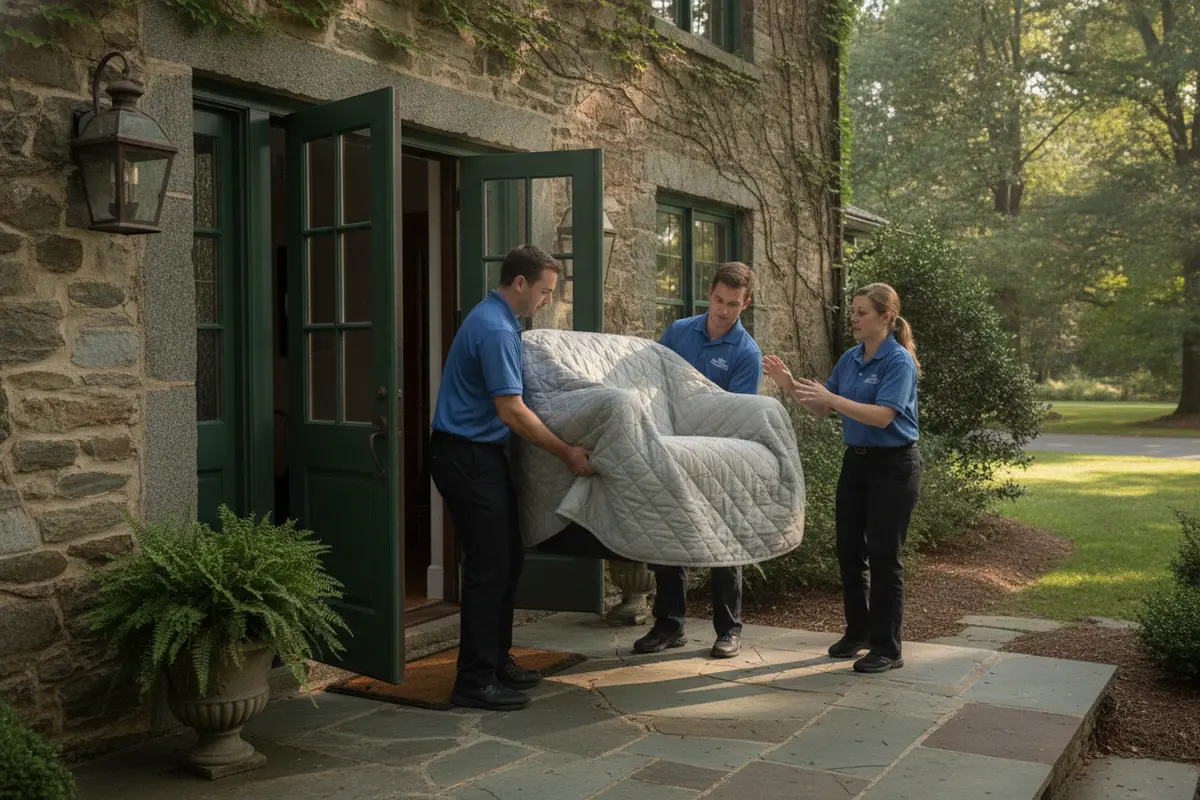
Which Access Details Can Affect a Local Move?
Access is one of the most practical topics to resolve before moving day. The crew needs a workable route from the belongings to the truck and from the truck to the new rooms. Walk that route at both addresses and note steps, tight hallways, low ceilings, gates, shared entrances, and surfaces that may need protection. Measure doorways or turns if you are uncertain that a large item will pass through.
Ask who is responsible for arranging a parking space, building access, or an elevator reservation. In a townhouse or apartment community, check for move-in rules, certificates or forms, loading areas, and hours when a truck may be on site. Do not rely on a visitor parking space being available on the day. If the truck cannot park close to the entrance, tell the mover how far the carry may be and whether a different loading location is required.
In a residential neighborhood, consider where a truck can safely stop without blocking a driveway, intersection, or other residents. If there is limited street parking, ask about the options well ahead of the move. The mover can explain what information it needs to plan the loading approach, but local parking permissions or building arrangements may need to be confirmed by you with the appropriate property manager or local authority.
Make a simple access note for both homes. Include the best entrance, any gate or door code that can be shared securely, the location of an elevator, and a contact person who can answer questions. Give the mover updated information if access changes. A revised entry procedure or construction work can affect the route, so report it when you learn about it.
How Can You Decide What to Pack Yourself?
Start with the services you want and the time you have. Some households pack most belongings themselves and ask for help with selected items. Others want the mover to pack a room, fragile belongings, or the entire household. Ask what packing options are available, what materials are included, and how the estimate changes if the scope is different. Delaware Moving & Storage provides information about its packing services; confirm the specific services and arrangements that fit your move.
If you pack yourself, use sturdy boxes that are appropriate for the contents. Keep heavier items in smaller cartons and lighter items in larger ones. Cushion breakables so they do not shift, and avoid leaving empty spaces that allow contents to move around. Label each box with its destination room and a brief description. Mark boxes that need upright handling, but do not pack anything in a way that hides damage or makes the carton unsafe to lift.
Set aside belongings that should travel with you, such as medications, important documents, keys, chargers, and a change of clothes. Keep these items in a clearly separate area and tell the crew they are not part of the shipment. Ask the mover in advance about items it cannot transport or needs you to prepare differently. Do not pack hazardous or restricted materials without clear direction.
For a mixed plan, identify exactly which rooms or categories the crew will pack. For instance, you might pack linens and books but request help with kitchen glassware. Agree on how packed and unpacked belongings will be identified during the survey. Clear boundaries reduce last-minute uncertainty and make it easier to prepare the areas that will be handled by the moving crew.
For more practical preparation ideas, review the company’s moving tips and its guide to preparing for a move.
When Might Storage Be Part of a Chester County Move?
Storage may help when the move-out and move-in dates do not line up, renovations delay access, or you want to move belongings in stages. Before choosing storage, establish what needs to be stored, when you expect to need it, and whether you will need access to particular items in the meantime. Tell the mover whether storage is a short transition or part of a longer plan so the estimate can reflect the intended handling.
Ask how belongings are inventoried, protected, and retrieved. Clarify whether items will be packed in containers, how you can request access, and what notice is needed to schedule delivery out of storage. Confirm the facility’s procedures and any requirements that affect what can be stored. If you expect to retrieve a few boxes before the rest of the shipment, label and list them before packing.
Storage can add handling and logistics, so compare the full plan rather than looking only at the date of the initial move. Ask what is included in the estimate for moving into storage and later delivery, and which charges or services are separate. Delaware Moving & Storage describes its storage options online. Discuss your own timing and access needs directly to understand what is available for your situation.
What Should You Ask About Valuation and Protection?
Before booking, ask the mover to explain the valuation or protection options that apply to your move. Do not assume that a standard estimate means every item is covered for its full replacement value. Ask what each option means, how to select it, whether there are deadlines or forms, and what documentation you should keep. Read the written terms before making a choice.
Prepare a record of valuable or fragile belongings. Photos taken before packing can help you remember their condition and identify them later. Keep receipts, appraisals, or other relevant records where appropriate. Point out items that need special attention during the survey and ask whether they require separate handling or written notice.
Valuation is not a substitute for careful packing and clear communication. Confirm which items the mover will pack and which you will pack, and ask how to report a concern if an item is damaged or missing. Keep a copy of the estimate, inventory, signed documents, and the company’s instructions together. Delaware Moving & Storage outlines its moving services online; discuss the specific protection terms and choices for your move with the company.
How Do You Compare the Main Parts of a Moving Estimate?
Use a side-by-side review to find gaps, not just a bottom-line number. Ask each mover to explain any line item or assumption that is unclear. The table below is a checklist of areas to compare; it is not a price list. The actual scope and charges depend on the move details and the estimate you receive.
| Estimate area | What to check | Question to ask |
|---|---|---|
| Move inventory | Rooms, large items, boxes, and excluded belongings | Does this reflect everything I showed during the survey? |
| Access and carry | Stairs, elevator, parking, distance, and entry conditions | Which access details are included in this plan? |
| Packing and protection | Who packs each area and what materials or services are included | What must I complete before the crew arrives? |
| Storage or extra stops | Dates, handling, delivery plan, and access to stored items | Which parts of storage or additional stops are separate? |
| Valuation choices | Available options, written terms, and selection steps | Where can I review the terms before I decide? |
| Schedule and communication | Move date, confirmation process, and point of contact | When and how will schedule details be confirmed? |
Local moving rates may be based on hourly work, while long-distance moves use different pricing factors. For a local move, ask what the hourly estimate covers, how time is recorded, and whether travel or other services are treated separately. A clear explanation matters more than comparing numbers that were prepared from different inventories or assumptions.
How Should You Set the Schedule and Prepare the Home?
Choose a preferred date and a backup option if your plans allow. Let the mover know about lease deadlines, closing dates, elevator reservations, school or work commitments, and any restriction on the hours when loading can take place. If a date depends on another event, explain that before booking. Avoid treating a tentative date as final until the relevant parties have confirmed it.
Work backward from moving day. Confirm when packing must be finished, when utilities or building access need attention, and who will be at each address. If you are packing yourself, set manageable daily goals rather than leaving every box for the last evening. Label rooms consistently with the destination layout so boxes can be directed to the right area.
Before the crew arrives, clear walkways and keep children, pets, and visitors away from active loading areas. Set aside the items that will travel with you. Keep essential paperwork and contact details within reach. If a room or item is not going, mark it clearly and tell the crew during the initial walkthrough. Make sure someone can answer questions at the destination, especially if you will not arrive before the truck.
For a local move, the loading sequence and access at both homes can shape how the day unfolds. Tell the mover promptly if closing time, parking, elevator availability, or the inventory changes. Early notice gives the company a chance to review the plan with you; do not wait until the crew is at the door to report a major change.
What Should You Confirm With the Mover Before Moving Day?
Several days before the move, review the written estimate and check that the move date, addresses, inventory, and requested services are still accurate. Confirm the arrival window or other schedule information the company has provided. Ask who will be your contact if you have a question before or during the move, and make sure you have the correct contact details.
Share final access instructions, including building rules, parking arrangements, gate access, and elevator bookings. Let the mover know about renovations, delivery restrictions, or any new obstacle that could affect the truck or crew. If you have changed the amount of packing help you need, added belongings, or arranged storage, ask whether the written estimate and plan need an update.
Keep a folder or digital record with your estimate, inventory, selected services, valuation documents, and the mover’s written instructions. Bring it with you rather than packing it in a box. Photograph the condition of items that matter to you and make a brief list of anything that needs special attention. These steps do not replace the mover’s paperwork, but they can help you communicate clearly and find information quickly.
Frequently Asked Questions
How far in advance should I contact local movers in Chester County?
Contact movers as soon as you know the likely move period, especially if you need a specific date, packing help, storage, or coordination with a building. The amount of advance notice needed can vary with season and availability. Ask the mover about its current schedule rather than relying on a general rule.
Can I get an estimate without an in-person visit?
Some estimates can be prepared through a virtual survey, while others may use an in-person survey. Ask what method the mover uses and how to show every room, storage area, and access condition. Share complete information, and ask the mover to explain what the estimate assumes.
Are local moving estimates based on hourly rates?
Local moving services may be based on hourly rates. The estimate should explain what the rate covers and whether travel, packing, materials, storage, or other services are handled separately. Ask the company to clarify how the estimate applies to your particular move.
Should I pack before the crew arrives?
That depends on the service you request. If you are packing yourself, confirm which areas should be finished and ask about items that need special preparation. If the mover will pack some or all of your belongings, agree on the rooms, items, and timing in advance.
What if my move date or inventory changes?
Contact the mover as soon as you know about a change. A new date, added belongings, revised access, or storage need may affect the plan. Ask whether the estimate or written arrangements need to be updated before moving day.
Comparing local movers in Chester County is easier when each provider understands the same inventory, access conditions, and requested services. Review the written details, ask direct questions, and keep your plan current as the move approaches.