
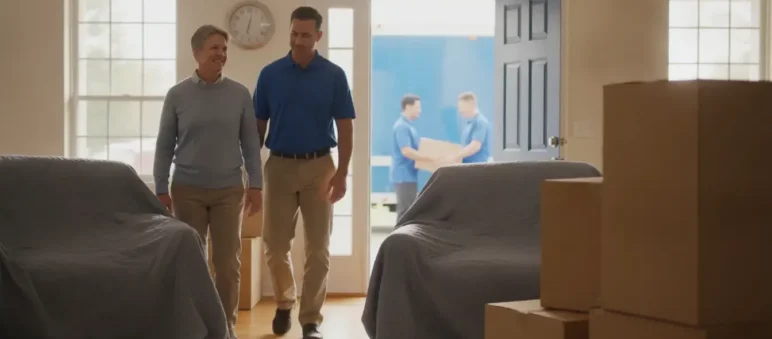
Choosing storage Wilmington DE options is easier when you start with the move, not a unit size. A closing delay, renovation, downsizing project, apartment change, or long-distance relocation can create different storage needs. The right choice depends on how long you will store items, how often you need access, and who will handle loading and delivery.
Request your free estimate to review your Wilmington move, timing, and storage needs with a moving professional.
Written by Drew Hopkins, General Manager of Delaware Moving & Storage.
What storage Wilmington DE option fits your move?
Storage Wilmington DE choices usually fall into three practical groups: temporary storage coordinated with a move, longer-term warehouse storage, and self-storage that you manage yourself. Compare access, handling, security, item protection, and delivery before choosing a facility or service. A clear plan prevents extra transfers and rushed decisions.
Temporary storage during a move
Temporary storage helps when your current home must be empty before the next home is ready. It can also support a renovation, estate transition, military relocation, or an apartment move with different possession dates. The goal is a clean bridge between two parts of your relocation.
Ask how pickup, inventory, storage, and final delivery fit together. A moving company that coordinates these steps may reduce the number of times your furniture is handled. It can also help you plan delivery around your closing or new-home schedule.
Long-term storage for household items
Long-term storage may fit when you are downsizing, traveling, renovating, or keeping family belongings for a future move. The decision is less about a quick handoff and more about protection, organization, retrieval planning, and a realistic storage timeline.
Before storing items for months or longer, separate daily necessities from items that can stay packed. Create a simple inventory. Keep important records about what is stored and where it belongs. Ask whether the facility can support future delivery when your plans change.
Self-storage that you manage
Self-storage gives you direct control over access and organization. It may work well when you need to visit the unit often or prefer to load and retrieve items yourself. You will usually coordinate transportation, bring supplies, protect furniture, and manage the space.
That control also creates more responsibility. Consider drive time from Wilmington, loading conditions, stairs or elevators, access hours, weather exposure, and who will move heavy items. A lower-touch option is not always the simplest option during a busy relocation.
| Storage approach | Often fits | Confirm before choosing |
|---|---|---|
| Move-coordinated temporary storage | Closing gaps, renovations, apartment transitions | Pickup, inventory, retrieval, delivery timing |
| Managed warehouse storage | Longer stays, downsizing, household or business contents | Security, item protection, access process, delivery options |
| Self-storage unit | Frequent personal access and hands-on organization | Location, access schedule, loading conditions, unit protection |
How can storage Wilmington DE support a Wilmington move?
Storage Wilmington DE can make a Wilmington relocation more manageable by separating move timing from move-in timing. You can clear a property, protect furniture during a renovation, or hold belongings while plans settle. The best plan matches storage duration, access needs, handling responsibility, and final delivery.

Closing dates do not align
Real estate transactions can change after a move is scheduled. A delayed settlement, repair request, or possession change may leave you with belongings and no ready destination. Temporary storage gives your move coordinator another way to keep the transition organized.
Start by identifying the earliest date your current home must be clear. Then confirm the date your next home can receive furniture. Build a plan for the days between those dates. Include packing, pickup, storage, retrieval, and delivery rather than focusing only on the storage period.
For a deeper look at this situation, read the guide to storage between home sales in Delaware. The article focuses on the closing-gap scenario, while this guide covers the broader storage decision.
Renovation or downsizing creates a safer work area
Furniture and boxes can make a renovation harder. Storing selected items can create safer walkways and give contractors more room to work. It can also help you decide what belongs in the next home without forcing every decision on moving day.
Downsizing creates a similar challenge. Keep daily-use belongings accessible. Store keepsakes and furniture that need more time for a family decision. Donate, recycle, or dispose of items that should not travel to storage. This approach makes the final delivery smaller and easier to organize.
Apartment moves require careful access planning
Apartment relocations can involve loading docks, elevators, parking rules, narrow hallways, and limited move windows. Storage may help when the new apartment is not ready for everything at once. It can also make a staged move easier when access is restricted.
Confirm the building rules at both addresses. Ask whether a truck needs a reservation. Note elevator dimensions and loading areas. If you need support with the move itself, review the Wilmington apartment moving guide before setting a storage schedule.
Request a free moving and storage estimate so your home size, access conditions, storage timing, and delivery plan can be reviewed together.
What security questions should you ask about storage in Wilmington?
Storage security is more than a locked door. Ask how the facility controls entry, monitors the property, protects stored items, and documents movement. You should also understand who can access belongings, how retrieval is arranged, and what valuation protection applies to your shipment.
Facility security and oversight
Delaware Moving & Storage describes a Class A storage facility with a 24-hour central alarm system. Its storage operation includes more than 40,000 square feet of warehouse and office space. These details help you evaluate the type of managed environment behind the storage plan.
Ask the provider to explain the security measures that apply to your belongings. Confirm whether access is controlled by staff, appointment, or another process. Also ask how concerns are documented and who is your contact if you need an update.
Protection from handling and movement
Items can be damaged during loading, unloading, or repeated transfers. Ask who will wrap furniture, protect fragile pieces, and place boxes in storage. Clarify whether the same provider will manage pickup and delivery or whether another company takes over.
Use sturdy cartons and keep heavier items low. Do not store damp items. Mark fragile contents clearly for the crew. Photograph unusual or valuable pieces before loading. Keep a copy of your inventory outside the storage area.
Valuation protection and documentation
Storage planning should include a conversation about valuation protection. Coverage terms vary by service and shipment. Ask what protection is available, what exclusions apply, and what documentation is needed before moving an item into storage.
Do not assume a storage agreement replaces moving protection. Read the terms. Tell the provider about antiques, electronics, artwork, pianos, or other items that need special handling. A written conversation early in the process can prevent confusion later.
What should you know about containerized storage?
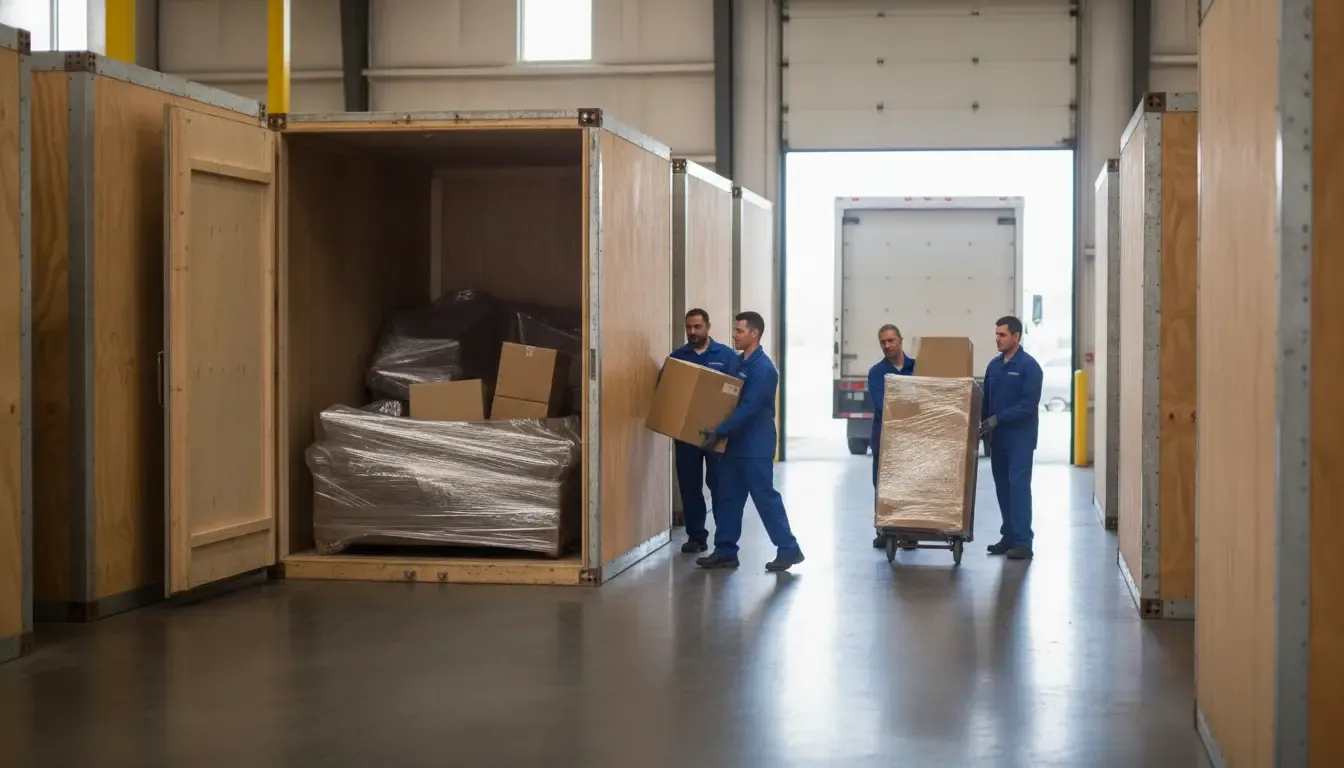
Containerized storage places packed belongings inside a dedicated container that is then stored in a managed facility. It can reduce loose handling and simplify a move when you do not need to visit each item frequently. Ask about loading, inventory, retrieval, access, and delivery before choosing it.
When containerized storage may fit
- Fewer loose transfers: Belongings can remain organized in the container while the move is in progress.
- Move timing gaps: The container can support a transition when the destination is not ready.
- Professional handling: A moving crew can load and protect items instead of leaving every task to the homeowner.
- Longer transitions: The format can work when belongings need to stay together while a household plan develops.
When a self-storage unit may be better
A self-storage unit may be a better fit when you expect to visit often. It may also suit a household that wants to organize shelves personally or retrieve one small item at a time. The tradeoff is that you manage transportation, loading, protection, and organization.
Read the containerized storage versus self-storage guide for a statewide comparison. Use this Wilmington guide to connect that decision to your move dates, local access conditions, and delivery plan.
How do you prepare belongings for storage?
Prepare belongings for storage by sorting essentials, cleaning and drying items, protecting furniture, labeling cartons, and creating an inventory. Keep pathways clear inside boxes and avoid packing damp or perishable items. Ask the storage provider about prohibited items and special requirements before pickup.
- Separate essentials. Keep medications, documents, seasonal clothing, and daily supplies outside storage.
- Clean and dry items. Moisture and food residue can create problems during a longer stay.
- Protect furniture. Use appropriate pads, wrap, and cartons. Avoid placing heavy boxes on delicate surfaces.
- Label each carton. Use a simple room and contents description. Keep labels consistent.
- Build an inventory. Record the major items, special handling needs, and any condition notes.
- Plan retrieval. Identify what you may need first when the next home is ready.
Professional packing can help with fragile items, large furniture, and a tight move schedule. Delaware Moving & Storage offers packing services in Delaware for households that want help preparing items before storage.
How should you compare storage providers in Wilmington?
Compare storage providers by looking at the complete experience, not only the amount of space. Review facility security, handling, access, inventory, delivery, valuation protection, and communication. A provider should explain what happens from the first pickup through the final delivery to your Wilmington address.
| Question | Why it matters |
|---|---|
| Who loads and unloads? | Handling responsibility affects convenience, protection, and planning. |
| How is access arranged? | You need to know whether retrieval is scheduled, staff-managed, or self-directed. |
| How are belongings inventoried? | Clear records make future retrieval and delivery easier. |
| What security measures apply? | Alarm, entry, oversight, and facility procedures help you evaluate risk. |
| What delivery options are available? | Storage is most useful when delivery fits your next move date. |
| How is the estimate prepared? | A physical or virtual survey supports a detailed plan instead of a blind estimate. |
Be cautious of any estimate that skips important details. Ask whether the provider has seen your inventory through a physical or virtual survey. Request a detailed explanation of moving, packing, storage, retrieval, and delivery services.
For Wilmington households, local moving support can also simplify the plan. See the guide to moving services in Wilmington for local and long-distance options that may connect with storage.
Frequently Asked Questions About Storage Wilmington DE
How long should I use storage during a Wilmington move?
The right storage period depends on your move dates, renovation schedule, closing timeline, or long-distance delivery plan. Start with the earliest date your current home must be clear and the date your next home can receive items. Ask about extending the plan if those dates change.
Is containerized storage better than self-storage?
Neither option is best for every household. Containerized storage may suit a managed move with limited access needs. Self-storage may suit people who need frequent personal access. Compare handling, transportation, security, retrieval, and final delivery before deciding.
What should I ask about security at a storage facility?
Ask about entry controls, alarm monitoring, staff oversight, retrieval procedures, inventory records, and item protection. Also ask who can access belongings and how the provider handles concerns. A clear explanation is more useful than a general promise that a facility is secure.
Can movers store furniture during a home renovation?
Yes, storage can help clear rooms during a renovation when the provider offers a suitable service. Discuss furniture protection, pickup timing, storage duration, retrieval, and delivery. Keep renovation materials, documents, and daily necessities separate from items going into storage.
How can I get a storage estimate in Wilmington, DE?
Request a moving and storage estimate that includes your inventory, addresses, access conditions, timing, packing needs, storage duration, and delivery plan. Delaware Moving & Storage uses physical or virtual surveys to create accurate, detailed estimates rather than relying on a blind estimate.
What items should not go into storage?
Ask your provider for its current prohibited-item list before packing. Do not assume that food, liquids, damp materials, hazardous products, or valuable documents are suitable for storage. Discuss unusual, fragile, or high-value items so the provider can explain handling and protection requirements.
Request your Wilmington moving and storage estimate to compare the right option for your belongings, timing, access needs, and next address.