
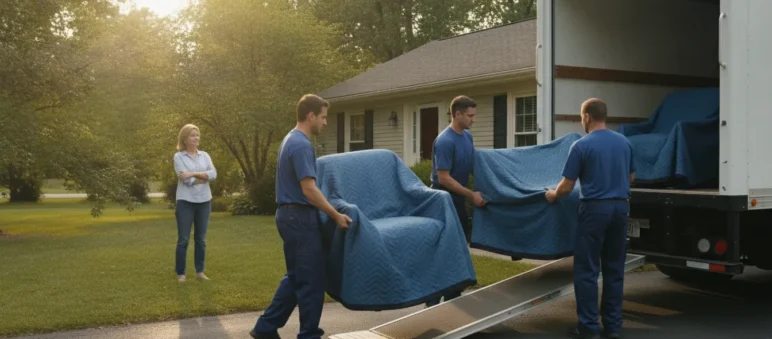
Choosing a mover close to home is only the first step. A safer move starts with confirming who will handle your belongings, how the estimate was prepared, and what protection is included.
Request your free estimate before you choose a mover.
When comparing safe movers near me, look for a documented service area, verifiable credentials, a physical or virtual survey, a detailed written estimate, and clear valuation terms. These checks help Delaware and tri-state homeowners compare the service plan instead of relying on proximity alone.
Delaware Moving & Storage has served homeowners across Delaware, southeastern Pennsylvania, and Cecil County, Maryland, since 1984. The family-owned company uses surveys to plan each move around the home, shipment, and requested services.
How Do You Know Which Safe Movers Near Me Are Worth Calling?
Safe movers near me should explain their service area, legal identity, qualifications, and role before you book. Start by checking whether you are contacting a mover or a broker. Then compare written estimates, recent reviews, safety credentials, and direct answers about protecting your home and belongings.
Use these checks before scheduling service with a nearby mover.
Confirm who will perform the move
Ask whether the company you contact will transport your shipment. A broker may arrange service through another mover. Request the operating company’s legal name, business address, phone number, and written explanation of its role.
For an interstate move, ask for the company’s USDOT number. Confirm that it matches the business named in your estimate and contract. Federal guidance also recommends comparing at least three estimates and reviewing the FMCSA moving checklist.
Match the mover to your service needs
A company may handle local moves but not interstate shipments, apartment access, storage, packing, or specialty items. Describe your move accurately during the first conversation.
Mention stairs, elevators, narrow driveways, parking limits, long carries, heavy furniture, and items needing special handling. These details help the mover prepare a safer plan and a more complete estimate.
Review credentials and recent reviews together
Reviews can reveal patterns in communication, punctuality, care, and problem resolution. Treat them as one signal rather than proof of every future experience. Look for consistent details across several recent reviews.
Also review stated credentials. The mover lists USDOT #70719, ICC MC #87113, and an FMCSA Satisfactory safety rating. It has maintained BBB A+ accreditation since 1985. Credentials do not replace reading your estimate and contract.
What Should a Safe Moving Estimate Include?
A safe moving estimate should be based on a physical or virtual survey of your household goods. It should identify the items, services, access conditions, pricing method, crew responsibilities, and protection terms involved. Review the written details before signing, because a clear estimate helps you compare movers and reduce surprises on moving day.
A room list or phone description can miss stairs, elevators, long walks, tight doorways, bulky furniture, or delicate items. The mover follows a no-blind-estimates approach. Read more about the moving survey and estimate process before choosing a provider.
Look for a complete scope of work
The estimate should show what the crew will do, not only a projected total. Check loading, transportation, unloading, placement, packing, unpacking, storage, stairs, elevators, and access-related services.
Ask whether furniture pads, stretch wrap, door protection, floor protection, hand trucks, and dollies are included. Review the inventory. Make sure rooms, furniture, boxes, appliances, and specialty items match what you expect to move.
Understand the pricing model
| Move type | Pricing basis | Confirm these details |
|---|---|---|
| Local move | Generally hourly | Crew, truck, equipment, access, services, and estimated time |
| Long-distance move | Weight and mileage | Shipment weight, mileage, services, bulky items, and valuation |
Local moves are generally priced hourly. The estimate should explain the planned crew, truck, equipment, and services. Review local moving services to understand the process.
Long-distance estimates use different factors. Shipment weight, mileage, packing, bulky items, and selected valuation protection can affect the documented amount. Do not compare a local hourly estimate directly with a long-distance estimate.
Get your instant quote after your inventory and access details are ready.
Read the documents and protection terms
For an interstate move, ask for a written estimate that identifies transportation, accessorial, and advance charges. Confirm whether it is binding or non-binding. Ask what could change the final charges.
Review the bill of lading before loading begins. It is the contract for the shipment. Read the valuation terms and confirm which option you selected. If a mover will not explain the documents, continue comparing options.
Which Safety Details Matter Before Moving Day?
Before the crew arrives, remove avoidable hazards and share access details with your mover. Clear walkways, confirm parking and building access, protect children and pets, separate fragile items, and document valuable furniture. Good preparation helps the move stay orderly from the first box to final placement.
- Walk every access path. Remove loose rugs, clutter, low obstacles, and anything that could catch a hand truck. Keep halls, doorways, steps, and exterior paths dry and well lit.
- Plan the loading area. Identify where the truck can load without blocking emergency access. Apartment residents should ask about elevator reservations, loading zones, and shared-area protection.
- Discuss stairs and long carries. Tell the mover about every staircase, elevator, parking distance, and alternate entrance at both addresses.
- Separate fragile items. Mark boxes with glass, artwork, electronics, medications, or other items needing special attention. Keep keys, jewelry, cash, and essential medicines with you.
- Secure children and pets. Arrange a supervised area away from open doors and moving traffic. Keep carriers, food, and medication accessible.
- Document condition. Photograph existing scratches, dents, stains, appliances, electronics, and high-value items before loading.
Tell the mover about changed access conditions before arrival.
How Should Professional Movers Protect Your Belongings?
Professional movers should protect furniture, floors, walls, and doorways before loading begins. They should use pads and stretch wrap, distribute weight carefully, secure items in the truck, and place furniture where you direct. Ask how the crew handles fragile, oversized, antique, or specialty belongings, and review valuation protection before moving day.
The crew should identify narrow halls, stairs, doorways, flooring, and exterior access points. Door and floor protection can reduce avoidable scuffs.
Ask what equipment will be used for heavy or awkward items. For a piano, appliance, glass cabinet, or valuable artwork, explain the item’s condition and location before the estimate.
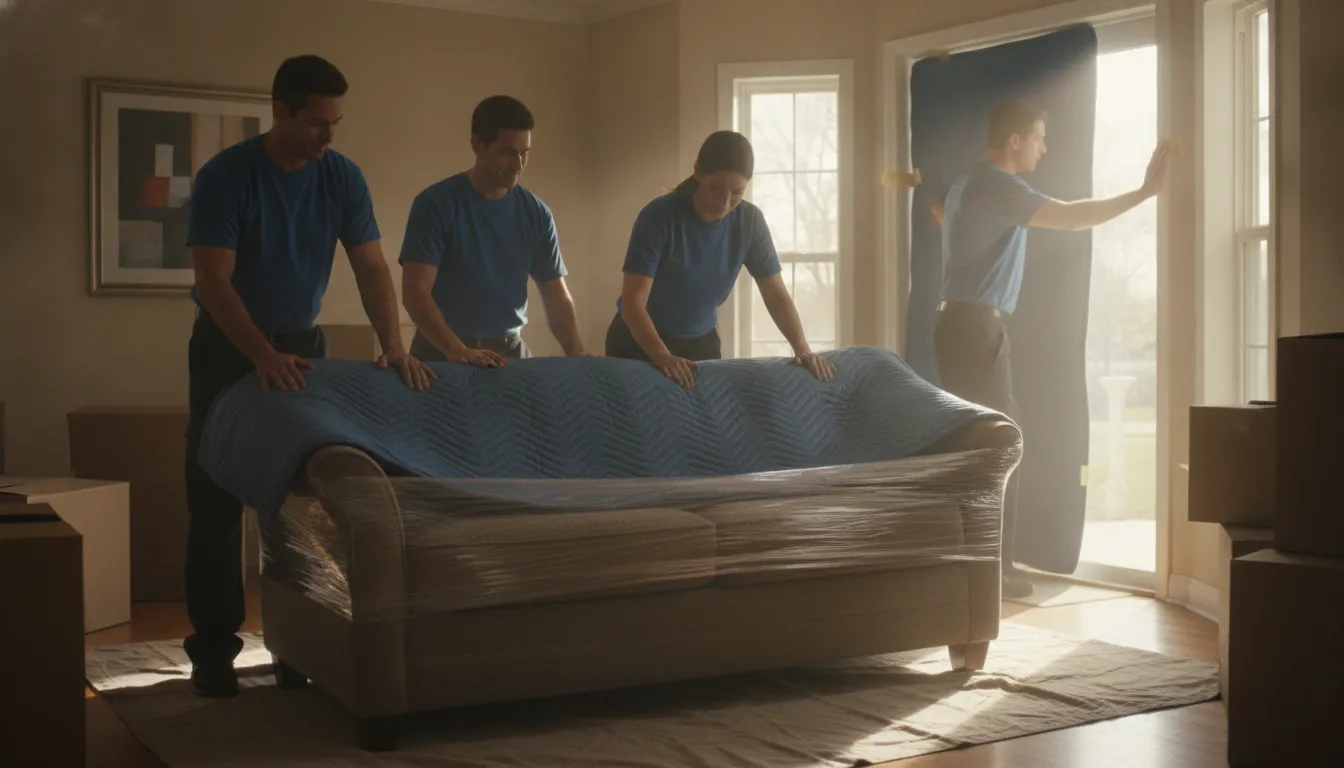
Heavier pieces should be secured appropriately, while fragile belongings need protection from shifting. At delivery, movers should place furniture where you direct.
Ask about packing and fragile-item protection
If you want help with delicate items, review the company’s professional packing services. Ask who supplies materials, labels containers, and handles unpacking. Keep irreplaceable documents, jewelry, medication, and essential personal items with you.
Understand valuation protection before signing
Valuation protection is a moving-contract option. It is not the same as business liability insurance. For interstate moves, federal rules require movers to offer valuation options.
Released value protection provides a lower level of liability, capped at 60 cents per pound per article. Read the FMCSA valuation explanation, then compare the company’s valuation protection options.
Can Nearby Movers Help With Storage During a Transition?
Storage can bridge the gap when a lease ends before a new home is ready. It can also help during downsizing, renovation, or temporary staging. Ask where belongings will be stored, how they are protected, how access works, and how delivery will be scheduled before booking.
Ask how belongings are protected, how access works, and when delivery is scheduled.
What should you ask about storage?
Facility details matter because storage is part of the move plan. The company describes a 40,000-plus-square-foot Class A facility with 24-foot clearance, five loading docks, containerized storage, and a 24-hour central alarm.
Ask whether access requires advance notice. Confirm the expected storage period, delivery address, and any changes that could affect the plan. Get those details in writing.
- Separate essentials from items intended for storage.
- Create a room-by-room inventory.
- Identify fragile, oversized, or high-value belongings.
- Confirm pickup timing and delivery conditions.
- Review the written scope before loading.
How Can Safe Movers Near Me Help You Choose Safely?
Once you find safe movers near me in Delaware or the wider tri-state area, do not choose from a name alone. Shortlist two or three companies, request written estimates, and compare the details behind each one. The safest choice explains its process clearly and documents the scope before moving day.
Ask each finalist these questions:
- Who will perform the move, and is the company a mover or broker?
- What rooms, items, stairs, elevators, and access conditions are included?
- How will furniture, floors, doors, and fragile belongings be protected?
- What valuation protection options are available?
- Who will be your contact before loading and at delivery?
A physical or virtual survey gives you a stronger basis for comparing estimates. A clear scope, realistic access plan, and documented protection terms can make the move safer and easier to manage.
Request a free moving estimate before booking a Delaware mover.
What Should You Ask Safe Movers Near Me Before Booking?
Ask for the company’s legal identity, registration details, service area, survey method, estimate type, protection plan, crew responsibilities, and storage process. Confirm every answer in writing before you sign.
Are Online Reviews Enough to Choose a Mover?
No. Reviews can reveal communication and service patterns, but they cannot replace credentials, a survey-based estimate, a clear contract, and direct answers about protecting your belongings.
How Can I Make Moving Day Safer?
Clear paths, arrange parking and elevator access, secure children and pets, separate essentials, mark fragile boxes, and photograph existing damage. Share access changes with the mover before loading.
What Is the Best First Step When Comparing Movers?
Start with a short list of qualified movers that serve your origin and destination. Request a physical or virtual survey from each finalist, then compare the written scope, pricing basis, protection terms, and communication plan.
Request your free moving estimate and discuss your Delaware or tri-state move with a survey-based planning team.