
Use this guide for practical summer planning.
A Delaware summer move asks you to solve two problems at once: heat and timing. School breaks and housing activity make summer popular for relocations. Strong demand also adds scheduling pressure. Humidity can make every trip between the house and truck feel harder.
The most useful moving during summer delaware tips are simple. Reserve your date early, prepare water and essentials, protect heat-sensitive belongings, and load during cooler hours when possible.
Drew Hopkins, General Manager, and the team at Delaware Moving & Storage have helped families across the tri-state area plan relocations for more than 42 years. The practical guidance below builds on those planning fundamentals, from choosing a workable moving date to keeping people and belongings protected. For more preparation ideas, explore these essential moving tips for Delaware residents. The Delaware tri-state moving coverage guide explains the company’s broader service area.
Moving During Summer in Delaware: What Are the Best Tips for Peak Season?
Summer is popular for practical reasons. School breaks make it easier for families to change homes without interrupting the academic year. Warmer weather also makes travel, loading, and settling into a new home more convenient.
Those advantages create scheduling pressure. Summer is the busiest season for moving companies, and preferred dates can fill quickly. Weekends and month-end periods often have especially strong demand. Early planning gives you more opportunity to choose a date that fits your household schedule. Moving.com also recommends planning ahead for summer moves.
Delaware adds its own practical challenges. Heat and humidity can make lifting, carrying, and repeated trips between a home and truck more tiring. Hot conditions can also complicate the handling of temperature-sensitive belongings. Electronics, candles, toiletries, plants, and food require thoughtful packing and shorter exposure to heat.
Start by building a realistic plan several weeks before moving day. Confirm your preferred date, identify items that need special handling, and decide what your family will need immediately. Keep water, medications, important documents, toiletries, snacks, sunscreen, and a change of clothing accessible instead of packing them into the moving truck.
Consider a morning start when scheduling allows. Cooler conditions can make the first part of the day more manageable, but your actual timeline depends on the home, inventory, access, and travel distance. Leave room for breaks and changing conditions rather than treating a moving-day schedule as fixed.
A physical or virtual survey is an important part of accurate planning. It allows Delaware Moving & Storage to evaluate the move before providing a detailed estimate. That process helps account for the home, belongings, access points, and services involved.
For more preparation ideas, review these Delaware moving tips before the busy season begins.
Which Tips for Moving During Summer in Delaware Protect Your Belongings?
Heat can affect everyday belongings before the moving truck leaves your driveway. A little room-by-room preparation helps protect fragile items and keeps unpacking manageable.
| Item | Summer moving action |
|---|---|
| Electronics | Keep out of parked cars and direct sun. Carry them personally when practical. |
| Plants | Move them in a ventilated vehicle and avoid direct sunlight. |
| Food | Pack separately and use a cooler for refrigerated items. |
| Candles and toiletries | Keep them cool, upright, sealed, and away from hot pavement. |
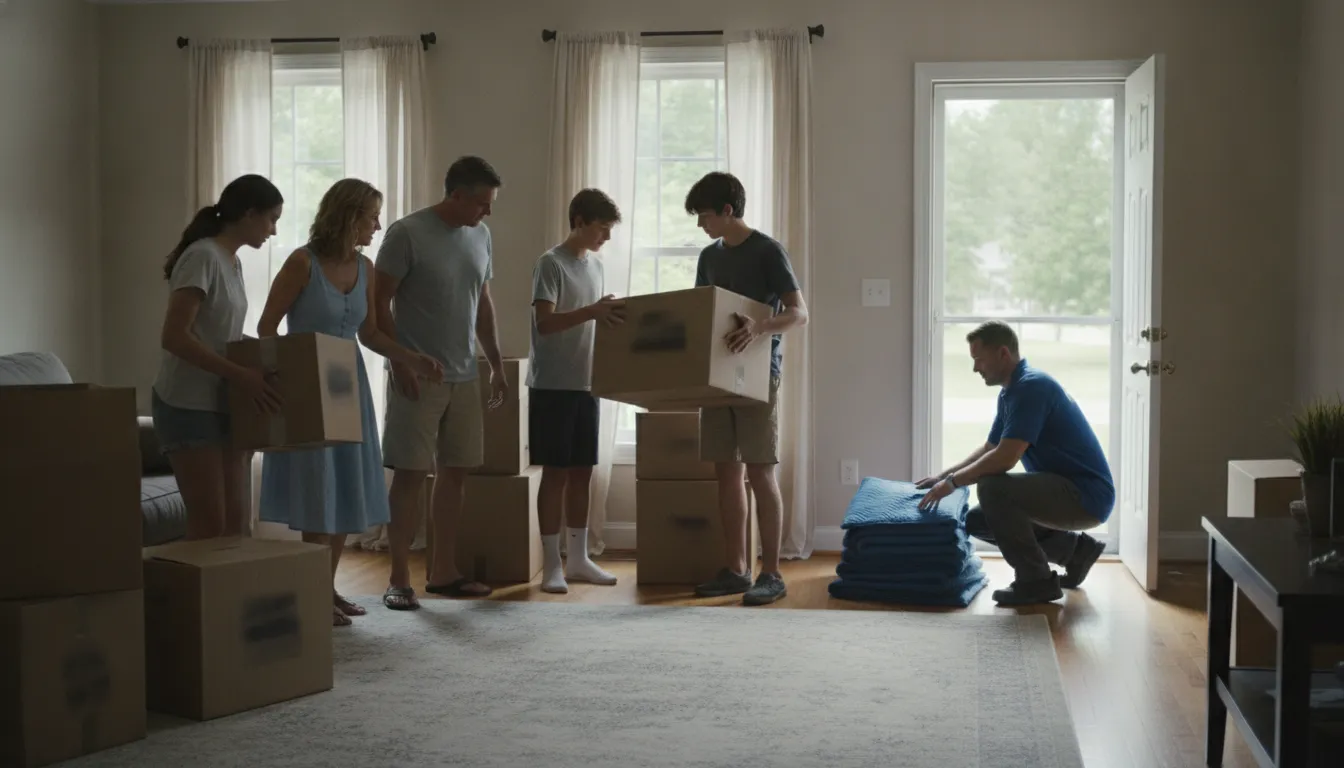
Set aside items that do not belong in a hot truck
Keep electronics, candles, toiletries, plants, and food separate from heat exposure whenever possible. Electronics should travel in a temperature-controlled vehicle when available, or in your personal vehicle.
Do not leave laptops, televisions, game systems, or batteries in a parked car. Allow electronics to reach room temperature before plugging them in after transport.
Candles can soften or lose their shape. Place them in a cool indoor area until loading, then carry them with you. Toiletries may leak when heat changes their contents. Tighten caps, seal bottles in bags, and keep them out of direct sun.
Move plants in your personal vehicle when practical. Protect them from direct sunlight and avoid leaving them inside a parked vehicle. Pack food separately, using a cooler for items that require refrigeration.
Prepare each room before the crew arrives
- Kitchen: Empty perishables, dry appliances, and keep coolers ready for food you are taking personally.
- Living room: Back up electronics, remove batteries when appropriate, and label cords with their devices.
- Bedrooms: Set aside medications, personal care items, and clothing needed for the first night.
- Bathrooms: Bag liquid products upright and keep temperature-sensitive toiletries with your essentials.
- Outdoor areas: Bring plants, patio candles, and other heat-sensitive items indoors before loading begins.
Control the loading and unloading order
Pack sensitive items last and unload them first when practical. This limits their time inside a warm truck and keeps them accessible at your destination.
Ask the crew to stage boxes in shaded areas whenever the property allows it. Keep doors clear, protect floors, and avoid placing delicate items on hot pavement.
Use sturdy boxes, adequate cushioning, and clear labels for fragile belongings. Color-coded labels can help everyone identify room destinations quickly. Professional packing services can also secure vulnerable items before transport and simplify preparation.
For belongings that cannot stay in a hot garage, attic, or truck, ask about climate-sensitive storage options. Professional packing services can help you decide which items need extra protection before moving day.
What Are the Safest Hydration and Heat Practices for Moving Day?
Moving day involves lifting, carrying, climbing, and repeated trips through hot spaces. Delaware summer conditions can make those tasks harder than expected.
The CDC recommends staying cool, staying hydrated, and taking breaks during hot conditions. Set up a simple safety station before the first box leaves the house.
- Keep plenty of cool drinking water within easy reach. Do not wait until someone feels thirsty before offering a drink.
- Choose a shaded, ventilated area for regular breaks. Rotate tasks so no one remains in direct sun for too long.
- Wear lightweight, breathable clothing, supportive shoes, and a hat when outdoor work requires it.
- Keep a charged phone nearby, along with basic first-aid supplies and a clear path to the vehicle.
Schedule demanding work during the cooler part of the morning when possible. Use the hottest part of the day for lighter sorting, indoor preparation, or seated tasks.
OSHA identifies heavy physical activity, hot conditions, and limited acclimatization as heat-risk factors. Take extra care when someone is not used to strenuous work in summer weather.
Plan for children, pets, and medications
Pets need a cool, quiet room away from open doors, moving equipment, and unfamiliar visitors. Provide water, ventilation, and supervision throughout the move.
Children also need shade, water, and a safe area away from lifting paths. Never leave a child or pet in a parked vehicle, even briefly.
Keep temperature-sensitive medications with you rather than placing them inside a moving truck. Follow the medication label or your pharmacist’s storage instructions.
Know when to stop
Muscle cramps, heavy sweating, dizziness, headache, weakness, nausea, and shortness of breath can signal overheating. These symptoms require an immediate pause in physical work.
Move the person to a cooler area, loosen unnecessary layers, and provide appropriate assistance. If symptoms are severe, worsening, or concerning, contact emergency services promptly.
Do not push through illness to meet a loading target. A delayed box is manageable, but an unsafe situation can affect everyone on moving day.
How Should You Plan and Book a Delaware Summer Move?
Summer dates fill quickly because school breaks, favorable weather, and housing activity make this season popular for relocations. A clear timeline helps you protect your preferred options without rushing important decisions.
Use this eight-week plan as a practical starting point. Adjust it for your household, lease requirements, closing date, and the distance between homes.
- Eight weeks before moving day: Choose a preferred date and one or two backup dates. Weekends and month-end periods are often the most requested, so ask about availability early. Contact movers and arrange a physical or virtual survey for an accurate, detailed estimate.
- Seven weeks before: Confirm the moving plan and begin decluttering. Sort belongings by keep, donate, recycle, and discard. Fewer items make packing, loading, and settling in more manageable.
- Six weeks before: Start packing nonessential rooms and seasonal items. Label boxes by room and contents. Set aside documents, medications, valuables, and summer-day essentials instead of placing them in the moving load.
- Four weeks before: Confirm utility transfer dates, address changes, building requirements, parking arrangements, and elevator reservations. Ask both properties about access restrictions, loading zones, and any heat-related concerns.
- Two weeks before: Finish most packing and create a first-day kit with water, sunscreen, snacks, toiletries, medications, and important documents. Review the inventory and tell the moving team about fragile, oversized, or temperature-sensitive belongings.
- One week before: Monitor the forecast and confirm contact details, arrival procedures, and backup communication plans. Keep pathways clear and identify shaded areas where people can rest. Flexible scheduling may help if your housing timeline allows it.
- Moving day: Keep essentials with you, protect pets and children from active work areas, and stay attentive to changing weather. Follow the crew’s loading guidance, take regular breaks, and communicate promptly if conditions change.
For a room-by-room timeline and practical reminders, use this local moving checklist. It can help you track tasks while keeping the summer-specific details above in view.
Delaware weather can shift, and peak-season schedules may require reasonable flexibility. Choosing a backup date, staying reachable, and completing decisions early can reduce last-minute pressure.
A survey gives the moving team the information needed to prepare a detailed plan for your home, access conditions, belongings, and service needs. That preparation supports clearer communication from booking through moving day.
What Do Professional Movers Do Differently on Hot Days?
Professional movers approach a hot Delaware moving day as a coordination problem, not simply a test of physical strength. The crew plans the work, protects the home, and keeps communication clear as conditions change.
They coordinate the work before lifting begins
A well-organized crew confirms access points, walking paths, truck placement, and the order of rooms before loading starts. Crew members can then divide tasks without unnecessary trips across hot pavement or between floors. Clear communication also helps the customer identify essentials that should remain accessible during the move.
Loading order matters for both comfort and protection. Heat-sensitive belongings should not sit in a hot truck longer than necessary. Electronics, candles, toiletries, plants, and food require particular attention. When practical, movers load those items later and unload them early.
They protect floors, furniture, and fragile belongings
Professional crews use protective padding and other moving materials to reduce contact between furniture, walls, doorways, and floors. Padding also helps keep items stable during transport. The crew can identify pieces that need extra wrapping, careful carrying, or specialized handling before they leave the home.
Customers who need help preparing belongings can use professional packing services. Packing support can secure household items before the truck is loaded and make the unloading process easier to organize.
They plan for packing, storage, and coverage
Professional planning extends beyond the truck. A crew can discuss packing needs, storage timing, and which items should remain with the household. If a move involves a gap between homes, storage planning helps separate immediate essentials from belongings that can wait.
Valuation protection should also be discussed before moving day. It gives the customer a clearer understanding of the protection options connected to the shipment. The right choice depends on the move, the belongings, and the terms explained during planning.
They bring experience to interstate moves
Interstate moves require more coordination than a short local transfer. Delaware Moving & Storage has been an official Wheaton World Wide Moving agent since 1999. That network supports local, long-distance, and international relocation capabilities.
For an interstate move, the team can discuss the origin and destination, access conditions, packing requirements, storage needs, and communication expectations. You can review the company’s long-distance moving services when planning a move beyond Delaware.
Delaware Moving & Storage is family-owned and has served the tri-state area from northern Delaware for more than 42 years. That local perspective supports practical planning for homes, apartments, and summer scheduling concerns.
Request your free estimate before moving day
Frequently Asked Questions
What should I pack in a first-day summer moving kit?
Keep water, sunscreen, light snacks, extra clothing, toiletries, medications, important documents, phone chargers, and basic cleaning supplies where you can reach them. Do not place essential medications in a hot vehicle or storage area. The CDC notes that some medicines must be protected from high temperatures, so follow the storage instructions for each prescription. CDC heat guidance can help you plan for the day.
How far ahead should I book a Delaware summer move?
Start planning as soon as you know your likely moving window. Summer dates fill quickly, especially weekends and the end of the month. Declutter first, identify any packing or storage needs, and keep a few date options available if possible. A physical or virtual survey gives the moving company the details needed to prepare an accurate, detailed estimate.
How can I protect electronics and other heat-sensitive belongings?
Set aside electronics, candles, toiletries, plants, food, and other heat-sensitive items instead of leaving them in a hot truck longer than necessary. Pack them last when practical, unload them first, and move them into a temperature-controlled space promptly. Ask about climate-controlled storage if your new home is not ready.
When should moving work stop because of the heat?
Take regular breaks in a shaded or cool area and drink water throughout the day. Stop work if anyone develops dizziness, headache, weakness, nausea, heavy sweating, muscle cramps, or shortness of breath.
These can be signs of overheating. Move indoors and seek prompt medical help for severe or worsening symptoms. Review the CDC’s heat safety guidance before moving day.
Ready to Plan Your Delaware Summer Move?
A clear plan can make a hot, busy moving day easier to manage. A physical or virtual survey helps your moving team understand the details and prepare an accurate, detailed estimate for your move.
Request your free moving estimate
Get started by sharing your preferred timing and moving needs with Delaware Moving & Storage.